Last updated November 22, 2026
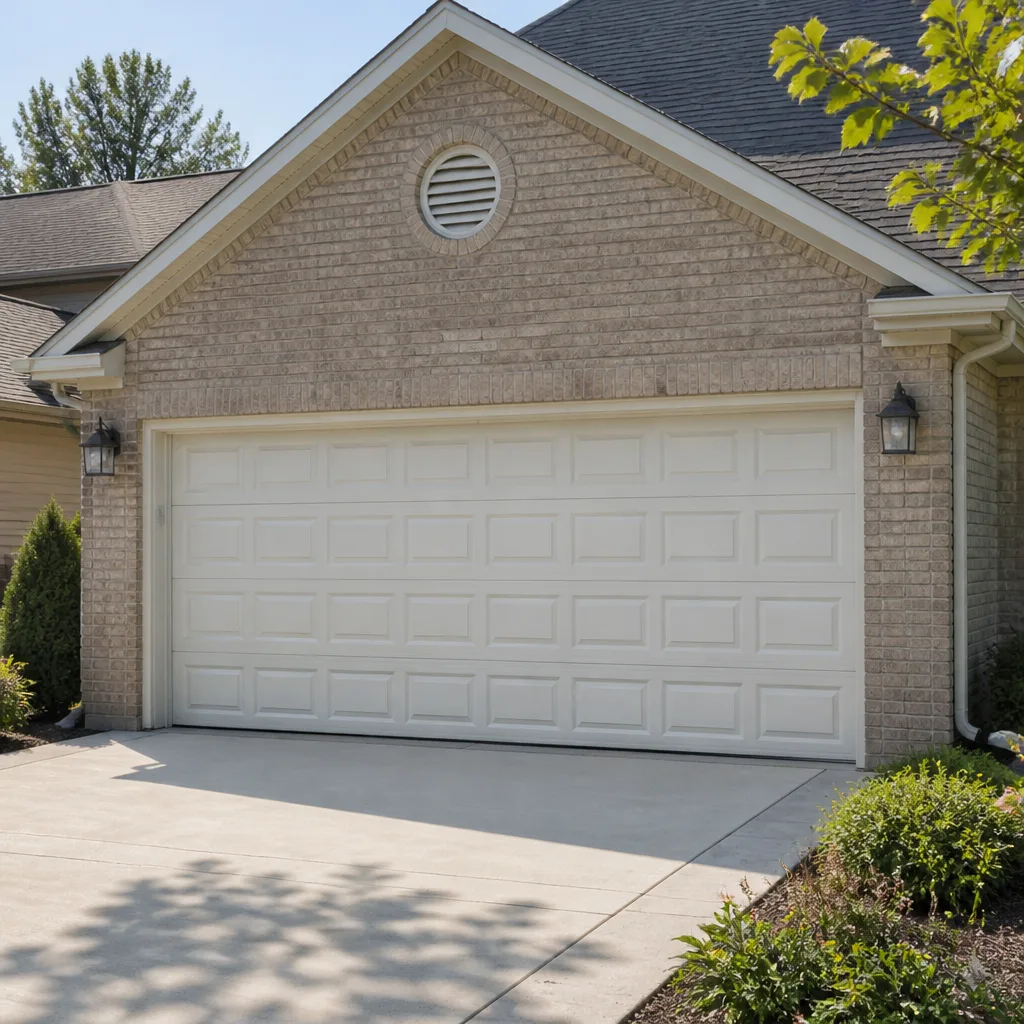 Raised-panel steel
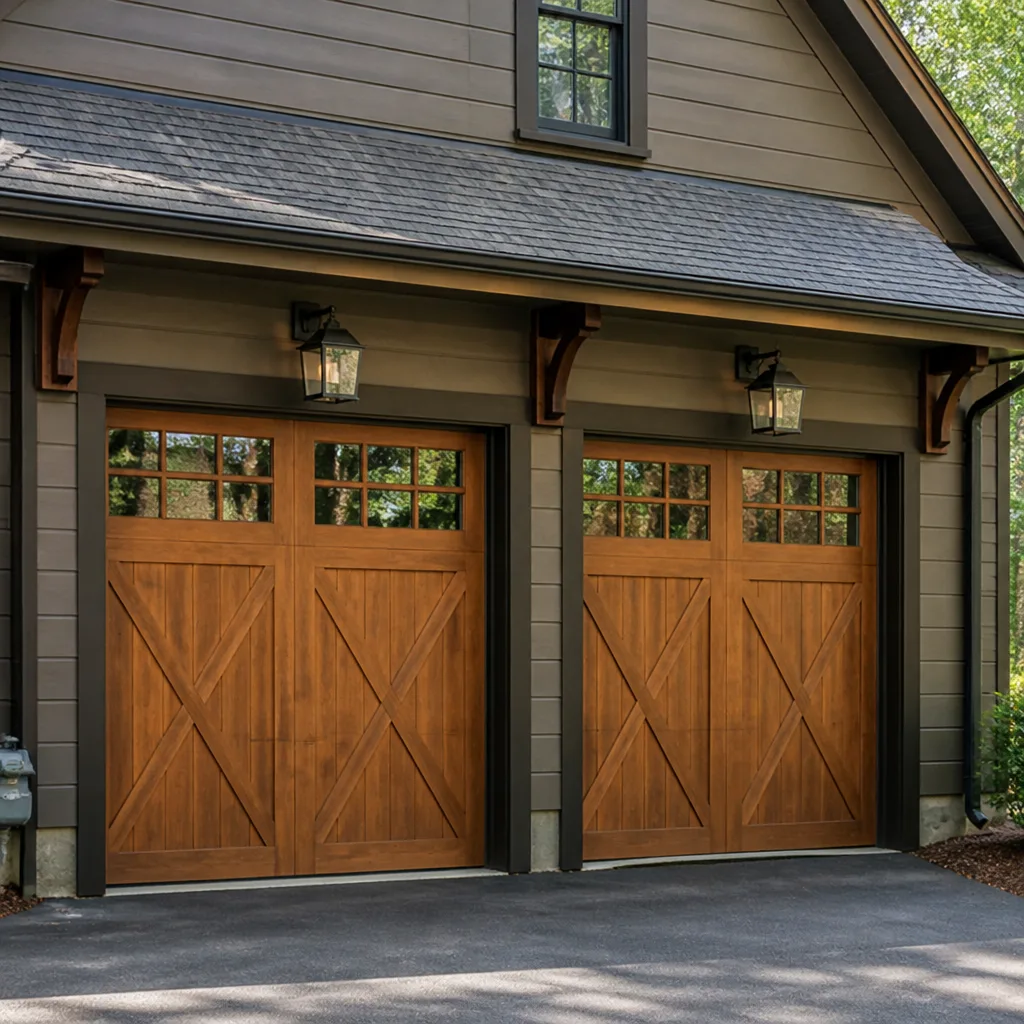 Carriage house
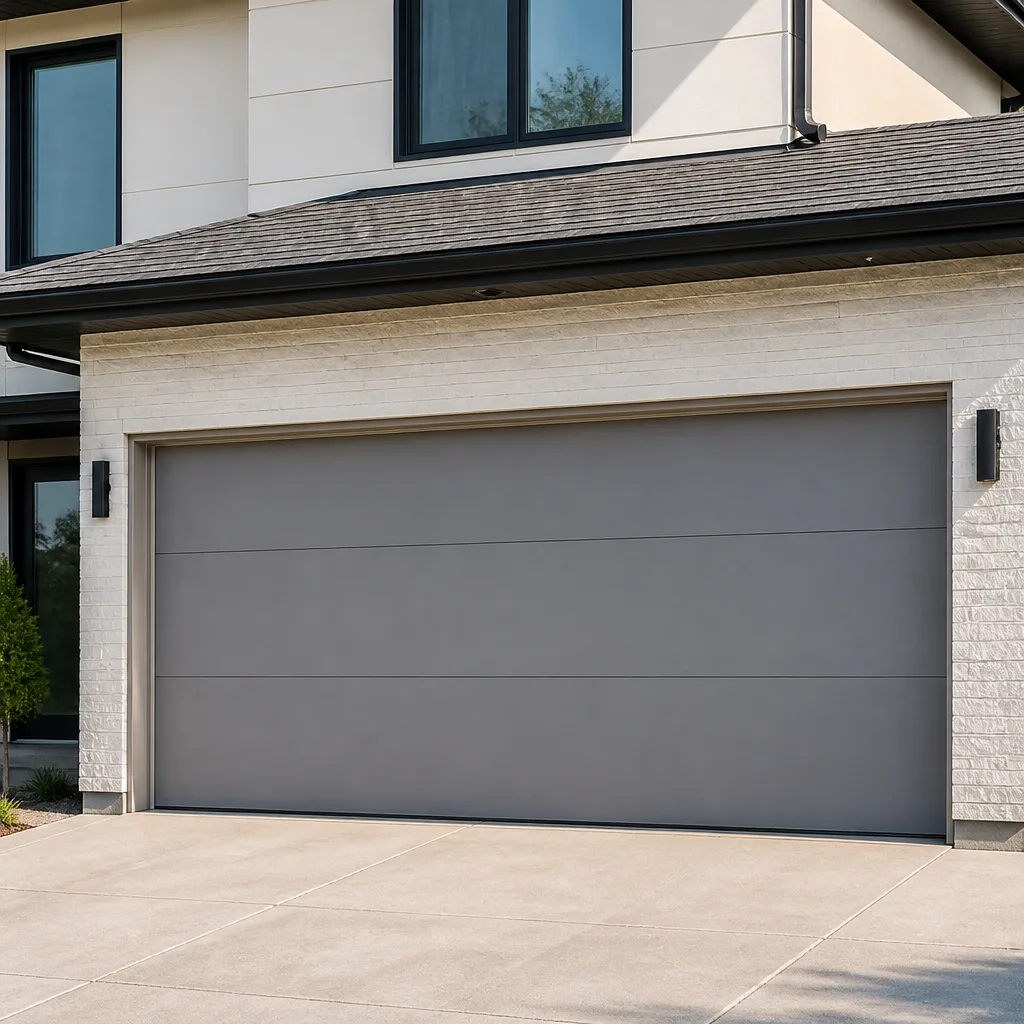 Modern flush
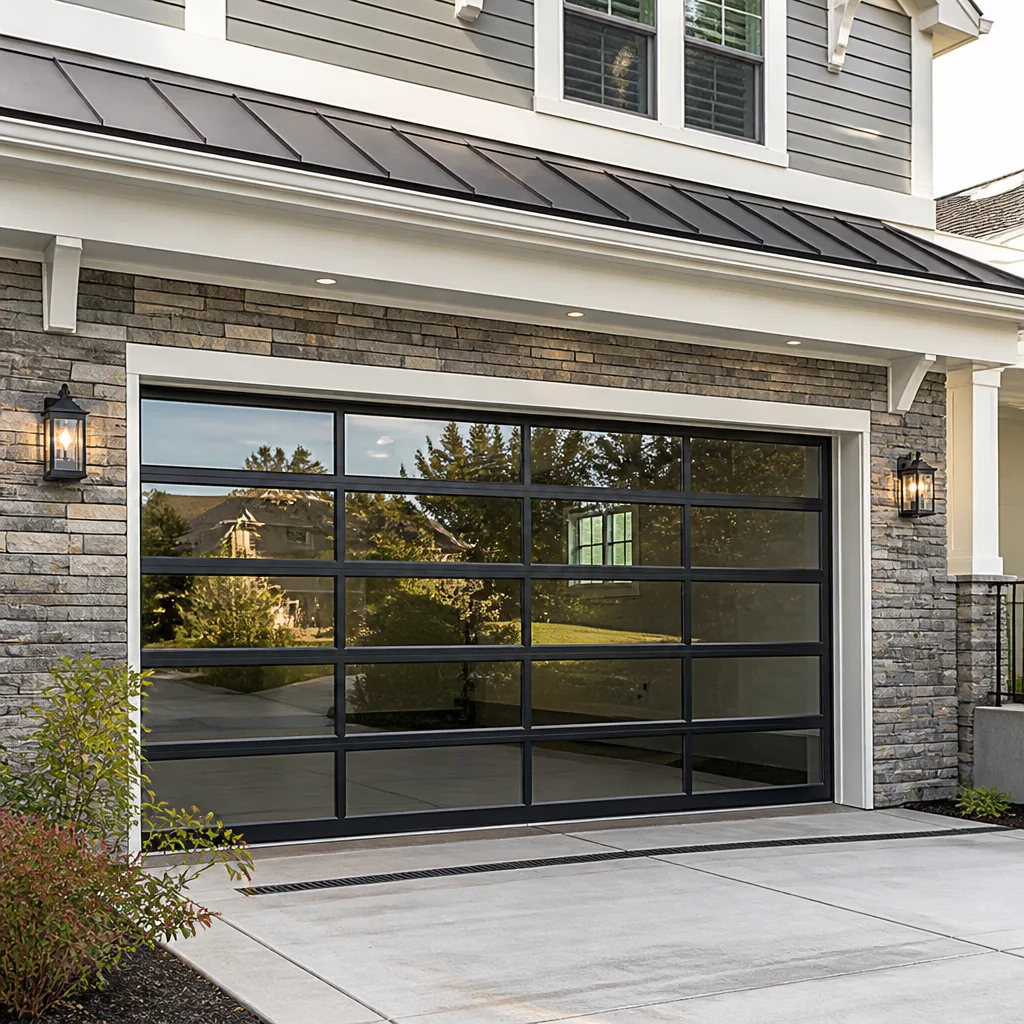 Full-view glass
 LiftMaster openers
 Chamberlain openers
Full 25-point door and opener safety check with every visit - springs, cables, rollers, tracks, and your LiftMaster or Chamberlain opener included
You get a price before we start. It does not change when the pro arrives.
Get your free estimateGarage Door Repair Maintenance Checklist for DeKalb Homeowners
Most garage door breakdowns we get called for in DeKalb didn’t happen overnight. They were paid for months in advance, a few dollars at a time, and the payment came due at the worst possible moment. The single biggest reason a door ends up needing emergency service is deferred lubrication, and the gap between a cheap tube of garage door lubricant and a full roller-and-hinge replacement is measured in skipped winters, not in luck. What follows is the checklist we’d walk a neighbor through: what each failing part actually looks and sounds like, which tasks are safe to do yourself, how DeKalb’s freeze-and-thaw climate changes the schedule most guides give you, and when a door has crossed from maintainable into replacement territory.
Quick Answer
A complete garage door maintenance checklist for DeKalb covers monthly visual and listening checks, lubrication and hardware tightening every season change, and a full professional tune-up once a year. The local schedule matters more than the generic “twice a year” advice: DeKalb’s hard winters and road-salt grit make fall and early spring the two checkpoints that actually prevent failures. Anything involving springs or cables stays out of DIY hands entirely.
Styles & brands we work with
- Raised-panel steel
- Carriage house
- Modern flush
- Full-view glass
- LiftMaster openers
- Chamberlain openers
Table of Contents
- How do you know a garage door part is failing?
- What should you check every month on a DeKalb garage door?
- Why does DeKalb’s climate change the maintenance schedule?
- Which maintenance tasks are safe to do yourself?
- What does a professional tune-up actually include?
- How long do garage door parts last?
- How do you log maintenance so it actually helps?
- When is a door past economic repair?
How do you know a garage door part is failing?
Every major component on a garage door fails in a predictable order, and each one gives you a cue before it lets go. Once you can recognize the normal-wear cue versus the imminent-failure cue, you stop guessing. This is the diagnostic layer that most generic checklists leave out, and it’s the part that saves you an emergency call in DeKalb.
Springs
- Normal wear: a slow, faint creak when you open the door in cold weather, or a door that feels slightly heavier than it used to by hand.
- Imminent failure: a visible gap or separation in the coils, a door that won’t stay up when you lift it manually, or a loud bang from the garage. A snapped torsion spring is the most common single failure we see, and it takes the door out of service instantly.
Cables
- Normal wear: slight slack on the lift cables when the door is down, consistent on both sides.
- Imminent failure: frayed strands, kinks, or a visibly slack cable on one side only. A cable that has started to unwind is a stop-using-the-door situation.
Rollers and Hinges
- Normal wear: a gentle rumble as the door travels, quiet enough that you don’t notice it from inside the house.
- Imminent failure: a flat spot or wobble visible on a roller when you watch it move, or a hinge plate that’s bent or starting to pull from the door face. A grinding or scraping sound that gets louder over a week is the cue.
Tracks
- Normal wear: a slight vertical gap between the roller and track as the door rounds the curve.
- Imminent failure: visible dents or a track that’s pulled out of plumb from its bracket. A bent track causes the door to bind, and binding on a door that’s already stressed is how cables snap.
Weather Seal
- Normal wear: a slight flattening of the bottom rubber where it meets the floor.
- Imminent failure: daylight visible under the door from inside, or a seal that’s cracked, torn or pulled from its retainer. In DeKalb this is where winter drafts enter and where snowmelt and road grit get driven in.
What should you check every month on a DeKalb garage door?
A monthly check takes about five minutes and requires no tools. The point isn’t to fix anything; it’s to notice the change before it becomes the failure. Here’s the routine we’d suggest for any door in DeKalb, whether it’s a Clopay steel door on a new build or a Wayne Dalton that came with a 1990s subdivision house.
- Listen with the door closed. Stand in the garage, open the door with the remote, and just listen. Rumbling, scraping, or a single loud pop means stop and look closer. A quiet door is a healthy door.
- Watch the door travel the full cycle. Look for the panels going up and down unevenly, or one side lagging behind the other. Smooth, even travel is normal.
- Look at the springs overhead. Eyes only. A gap in the coil, a rusty torsion bar, or a loose winding cone (the small drum at the end of the spring) is a call.
- Look at the cables on both sides. They should be straight and taut, with no visible fraying or kinks. One side looking different from the other is the signal.
- Check the bottom seal for daylight. With the door closed and the lights on, look for light from outside at the floor line. Any light gap will become a bigger gap once the freeze sets in.
- Test the safety reverse. Place a small object (a roll of paper towels works) under the door and close it. The door should reverse on contact. Then break the photo-eye beam on the opener and confirm the door reverses as well. This one is worth doing every month without exception.
- Check the opener light behavior. If your Genie or LiftMaster opener flashes a diagnostic code, count it and check the manual. Many failures are opener faults, not door faults.
Every month is the baseline. If you want to compress it, the two checks that catch the most failures before they strand a car are the spring look and the door-travel listen. DeKalb winters punish a door that has gone even a few weeks without either.
Why does DeKalb’s climate change the maintenance schedule?
The generic “oil it twice a year” advice doesn’t map onto DeKalb’s weather. This area swings from humid summer heat to deep winter freezes and a long season of road salt and grit, and each of those phases does something different to the hardware.
Winter cold makes steel, aluminum and the metal spring coil more brittle, and it shrinks and stiffens the rubber bottom seal. Lubricant left over from summer has often thinned or washed away, so the door is running metal-on-metal at exactly the temperature when metal is least forgiving. Road salt and grit tracked in on tires dry on the track and rollers rather than getting washed away.
Spring thaw brings a burst of thermal cycling and moisture. Doors that made it through the winter without complaint often fail during the first hard freeze-thaw stretch in March, when the hardware is fatigued and the weather seal has started to lift. This is the second of the two critical checkpoints.
A practical DeKalb schedule looks like this:
- Late fall (before the first hard freeze): full lubrication, hardware tightening, seal check, safety-reverse test. This is the single most important maintenance window of the year.
- Mid-winter: a quick lubrication top-up on rollers, hinges and track curve, and a listen to the travel.
- Early spring (after the last freeze): re-lubricate, clear grit from the track, check seals, and look at the balance of the door.
- Summer: a full visual check and safety test, with extra attention to the seals and cables.
If you want a professional set of eyes once a year, slot it in the fall. That way the hardware is in its best condition heading into the season that does the most damage.
Which maintenance tasks are safe to do yourself?
Most of a garage door checklist is safe to do yourself, and a few tasks are genuinely dangerous to attempt. The line is clear: anything that involves the spring system or the tension of the cables underneath it is off-limits. Everything else you can handle with a ladder, a screwdriver, a wrench and a tube of lubricant.
DIY-safe tasks
- Lubricating rollers, hinges, and the track curve with a dedicated garage door lubricant (not WD-40, which is a solvent, not a lubricant).
- Tightening hinge and bracket bolts with a wrench. These work loose on their own and cause most of the rattle people complain about.
- Clearing debris from the tracks. Wipe, don’t scrape, and never use a solvent on the track surface.
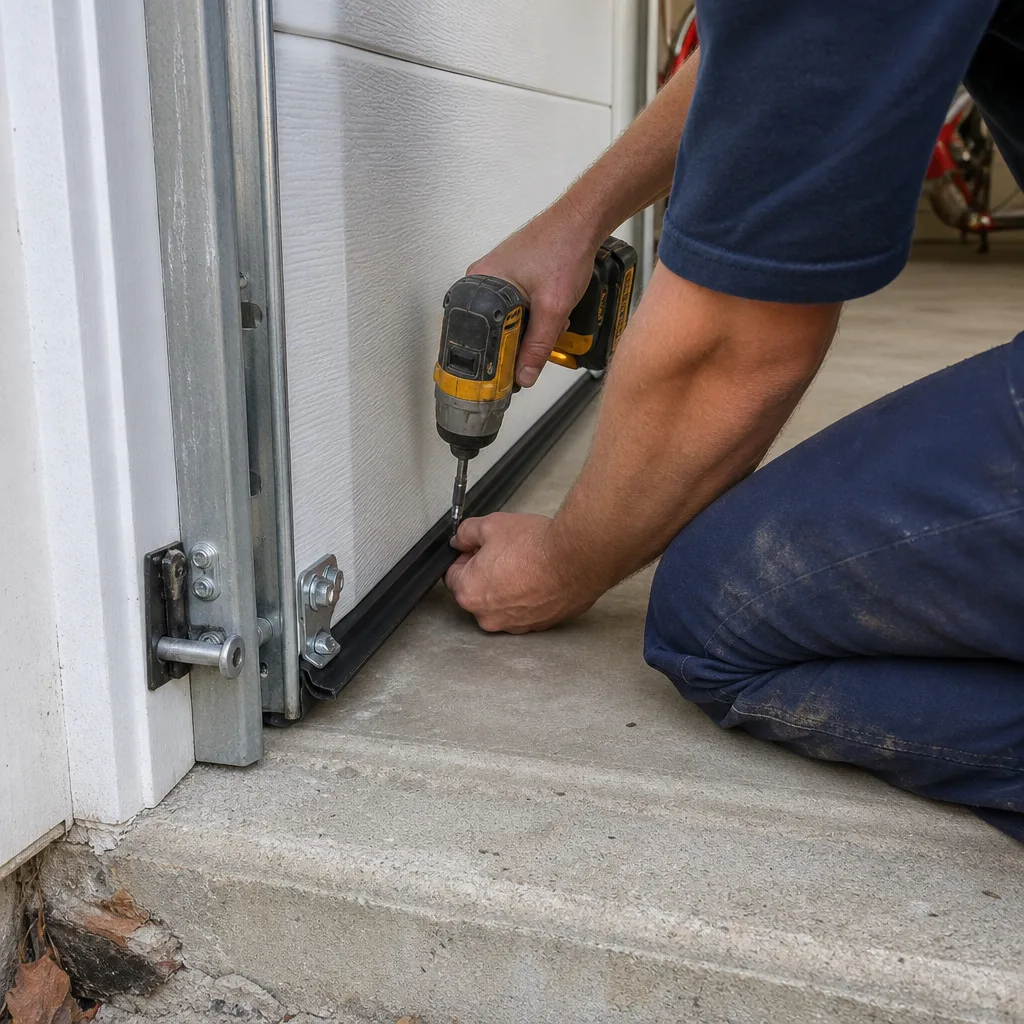
- Replacing the bottom weather seal on most doors. This is a slide-in retainer on many models and is genuinely a homeowner job if you match the profile.
- Testing the safety reverse and photo-eye every month.
- Replacing opener batteries and cleaning the photo-eye lenses.
Tasks that cross the line
- Anything touching the torsion spring, including loosening or tightening the winding cones. Even a “just checking” attempt on a wound spring can release stored energy you are not positioned to handle. Don’t.
- Adjusting the lift cables. The tension on a lift cable is a function of the spring, so any cable work is a spring job in disguise.
- Realigning a badly bent track. A mild track tap is one thing; a door that has jumped the track or is visibly out of plumb needs a technician before something gives way.
- Adjusting the opener’s force limit or travel limits without knowing what you’re doing. Force settings exist to protect people and the door, and the wrong adjustment causes the door to crush or refuse to close.
- Any repair on a door with a broken spring. A door with a snapped spring is under unbalanced load and should not be operated at all, manually or by opener.
One thing worth knowing: whether an amateur repair affects a manufacturer warranty depends on the specific brand and the language in its warranty document. If you’re weighing a DIY fix on a door that’s still under a Clopay or Amarr warranty, read that document first, or ask a technician before you touch it. It’s a short question that can save a real claim later.
For the dangerous parts, the right move is to leave them to a trained technician. Our DeKalb Garage Door Repair Pros team handles spring repair as a core service precisely because it’s the part most people should never touch. If you’re not sure whether what you’re looking at is a spring problem, describe what you see when you call.
What does a professional tune-up actually include?
A professional tune-up is not just oiling what you could oil yourself. It’s the items that need training, the right tools, and a practiced eye. Knowing what’s included helps you judge a quote and helps you understand why the spring and cable inspection alone is worth the visit.
A proper tune-up on a DeKalb door should cover:
- Door balance test. Disconnect the opener, raise the door halfway, and check that it holds. A door that drifts down has a spring problem or a tension problem, and the technician will diagnose which.
- Spring inspection and tension check. Visual inspection of both torsion (or extension) springs, the winding cones, the center bearing plate and the torsion bar. This is the one part of the job that justifies a professional visit on its own.
- Cable inspection. Both lift cables, the drums, and the cable anchor points. A technician can spot a cable that has started to unwind long before it becomes a failure.
- Roller replacement if needed. Worn rollers get replaced with the correct style (nylon or steel), and worn hinges get replaced with the right gauge for the door weight.
- Track alignment. Checking the vertical and horizontal track for plumb, and clearing grit.
- Lubrication of all moving parts with the correct product for each surface (spring, rollers, hinges, track curve, bearing plates).
- Opener inspection. Chain or belt tension, sprocket wear, force and travel limits, safety reverse, and photo-eye alignment. If your opener is a Genie or a LiftMaster, the technician should know the model’s diagnostic codes.
- Weather seal inspection on the bottom seal and the perimeter stops.
- Written notes on what was found, so you can track the next visit against it.
If your door needs a repair beyond a tune-up, that’s the moment to be specific about what’s failing. Our garage door repair service begins with a diagnosis and a written estimate, and we quote before any work starts. The principle is the one we hold to on every job: diagnose first, replace only when necessary.
How long do garage door parts last?
Component lifespans are useful benchmarks because they tell you when a door has stopped being maintainable and started being a replacement candidate. The numbers below are typical ranges for a residential door in northern Illinois, given normal use (two or three cycles a day). High-cycle doors, like those on a DeKalb small-business property or a multi-car household, will wear faster.
- Torsion springs: commonly 8,000 to 15,000 cycles, which translates to roughly 7 to 12 years for a typical household. Extension springs usually run shorter.
- Lift cables: commonly 10 to 15 years when kept lubricated, significantly less if the door is running dry.
- Rollers (steel): commonly 5 to 10 years. Nylon rollers generally outlast steel and run quieter.
- Hinges: commonly 10 to 15 years, with the top and bottom hinges wearing first.
- Tracks: commonly 15 to 20 years if they aren’t struck or knocked out of plumb.
- Bottom weather seal: commonly 3 to 5 years in a northern Illinois climate, shorter if the door faces a sun-exposed south wall.
- Opener: commonly 10 to 15 years. Belt and chain drives differ in service life and noise, but both are wear items.
The rule of thumb we use: when two or more of these components are near the end of their range at the same time, weigh the cost of a full-set repair against the cost of a new door. A single spring replacement at the far end of its life is a normal repair. A door that needs a spring, a cable, all the rollers, all the hinges and a track realignment, on a panel that’s also showing rot or rust, is usually a sign to talk about replacement.
If your opener is the part that’s failing, our garage door opener repair team can diagnose it against the brand’s known failure modes. If a spring is what’s gone, our garage door spring repair service handles that as a core specialty.
How do you log maintenance so it actually helps?
A maintenance log is the difference between a technician diagnosing in ten minutes and diagnosing in thirty. It’s also your only reliable record of warranty timelines. We’ve seen doors where the homeowner could name the month a noise first appeared, and doors where a two-year-old spring failure had to be argued about because nobody knew when it was installed. The log is what tips the second case toward the first.
Keep it simple. A note on the phone or a page stapled inside the opener manual works. What matters is that you capture five things:
- Date of every service, whether DIY lubrication or a professional visit.
- What was done, in plain language (“lubricated rollers and hinges” or “replaced bottom seal”).
- What was observed but not fixed. This is the most useful line. A note like “slight slack on left cable, tech says watch it” turns a later visit into a targeted repair rather than a diagnostic session.
- Part and model numbers, especially for springs, cables, rollers and the opener. Write the spring wire size and length if the technician tells you, and the opener model number from the label.
- Photos of the spring system and track after each service. A phone photo takes ten seconds and shows the technician what changed.
Warranty tracking is the other half. If a technician installs a part, note the date and the brand. When a part fails, the first question any manufacturer asks is when it was installed and by whom. A dated log answers both. It also protects you if you sell the house; a buyer’s inspector will ask about the door, and a maintenance record is a stronger answer than “it works fine.”
One more use for the log: it’s how you’ll know if you’re maintaining a door past its economic life. If you’ve logged three or more repairs in two years on the same door, the checklist has told you something the last repair didn’t.
When is a door past economic repair?
The honest answer is: when the next two years of expected repairs cost more than the door is worth to you. That’s a judgment call, not a strict formula, but there are clear signals to weigh. A professional can price out the options and help you decide, and we don’t push a replacement when a repair is the right call.
Signals that a door is a replacement candidate:
- Structural panel damage that can’t be repaired with a single panel swap (rot, rust-through, a cracked section that’s discontinued).
- A door on its second spring and second cable set, with visible wear on the hinges and rollers, on a panel that’s already showing its age.
- Repeated track problems. A door that keeps drifting out of plumb usually has a structural issue in the opening, not a track issue, and the fix can cost more than a new door.
- An obsolete opener with no parts support, on a door that’s also near the end of its component range. Replacing the door and the opener together often costs less than piecemeal repairs over a few years.
- A door that no longer meets your needs on insulation, security, or noise. A new door with a modern seal and insulated panels solves a lot of small DeKalb winter problems at once.
Signals that a repair is still the right call:
- A single spring failure on an otherwise healthy door. This is the most common case and it’s a normal repair.
- A failed opener on a door whose panels and hardware are in good shape. Opener replacement is straightforward.
- A weather seal that’s failed. Cheap to fix and worth fixing before winter.
If you’re unsure, ask for a diagnosis and a written estimate for both a repair and a replacement. That gives you a real comparison instead of a guess. Our technicians have up to 12 years of experience and are factory-familiar with the major brands, which means we can give you an honest read on the door you actually have, not a generic one.
Common Mistakes to Avoid
- Reaching for WD-40 instead of a garage door lubricant. WD-40 is a solvent that thins out and attracts grit. A sticking roller gets worse after a WD-40 spritz, not better, and the grit it attracts wears the track faster.
- Adjusting the opener force up to “fix” a heavy door. A door that’s gotten heavy has a spring or balance problem. Turning up the force on the opener just makes it power through a failure until something breaks, and it can defeat the safety reverse.
- Skipping the fall lubrication because the door “still works.” The fall is the check that prevents the winter failure. A door that feels fine in October is often the one that strands a car in January in DeKalb.
- Ignoring a slight track dent. Small dents grow into binding points, and binding on a stressed door is how cables fail. A minor track adjustment is cheap; a cable and spring replacement after a bind is not.
- Attempting spring or cable work yourself. A wound torsion spring holds enough stored energy to cause serious injury. No DIY checklist in this guide touches it, and no homeowner should attempt one.
- Running a door with a snapped spring. A broken spring unbalances the door, and the opener or the remaining spring can’t safely carry the load. Leave it up, call for service, and don’t operate it manually.
- Never testing the safety reverse. The reversing system is the one feature that prevents the door from closing on a child or a pet. Skipping the monthly test because the door “works fine” is the mistake we see most often in DeKalb homes.
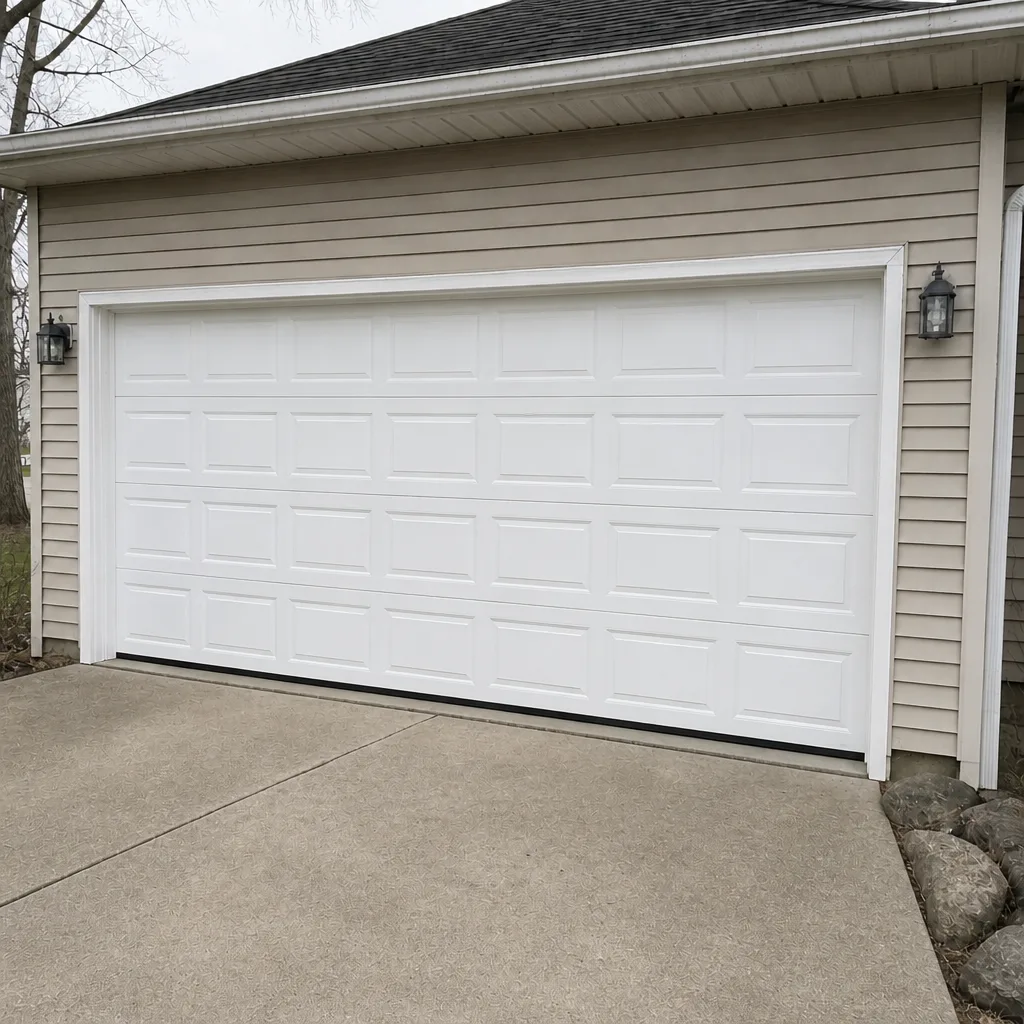
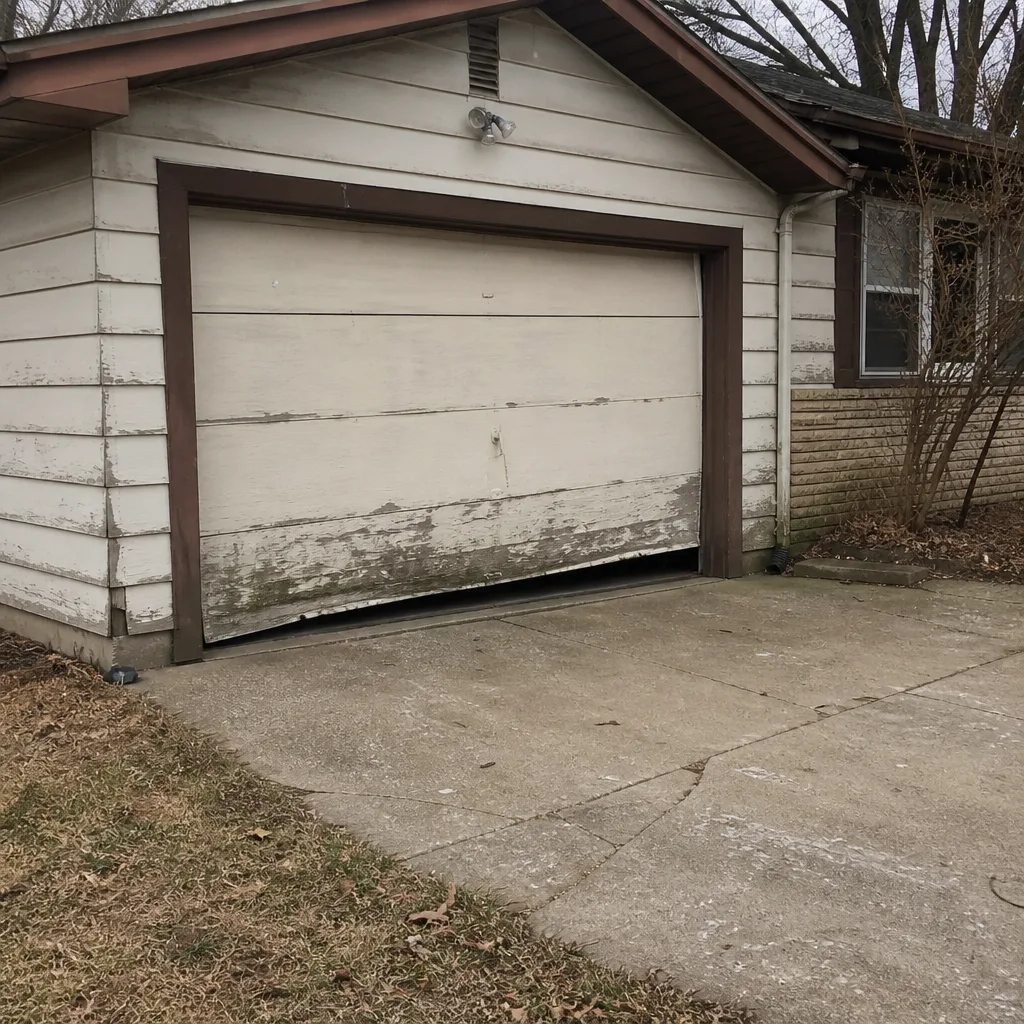
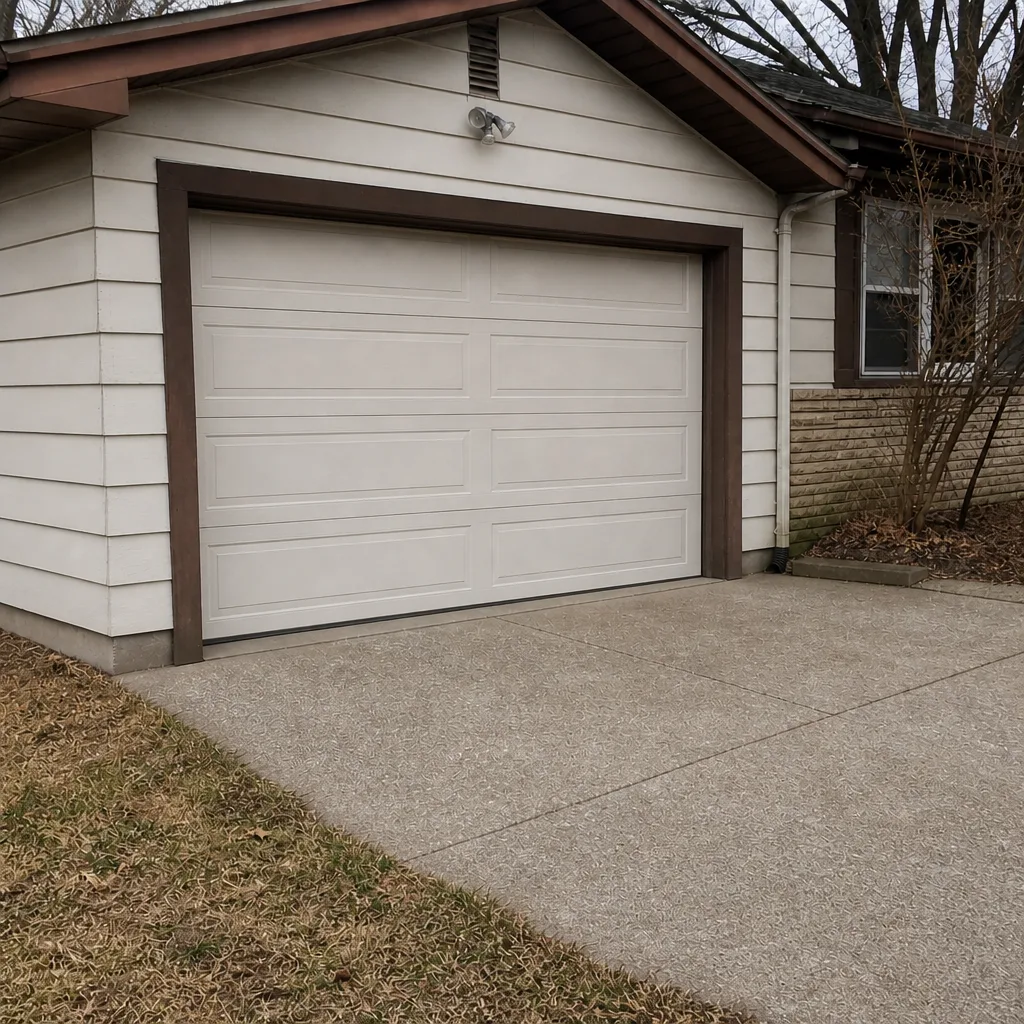
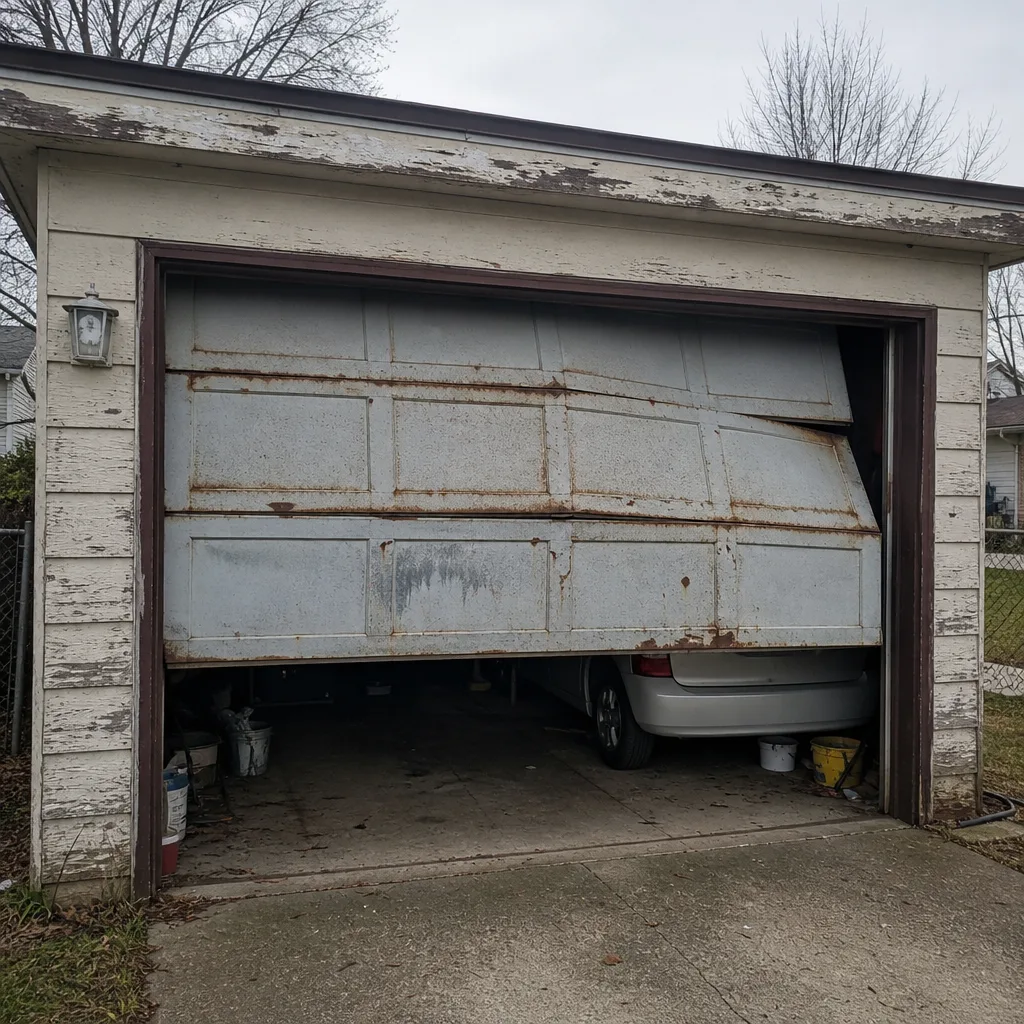
See the difference
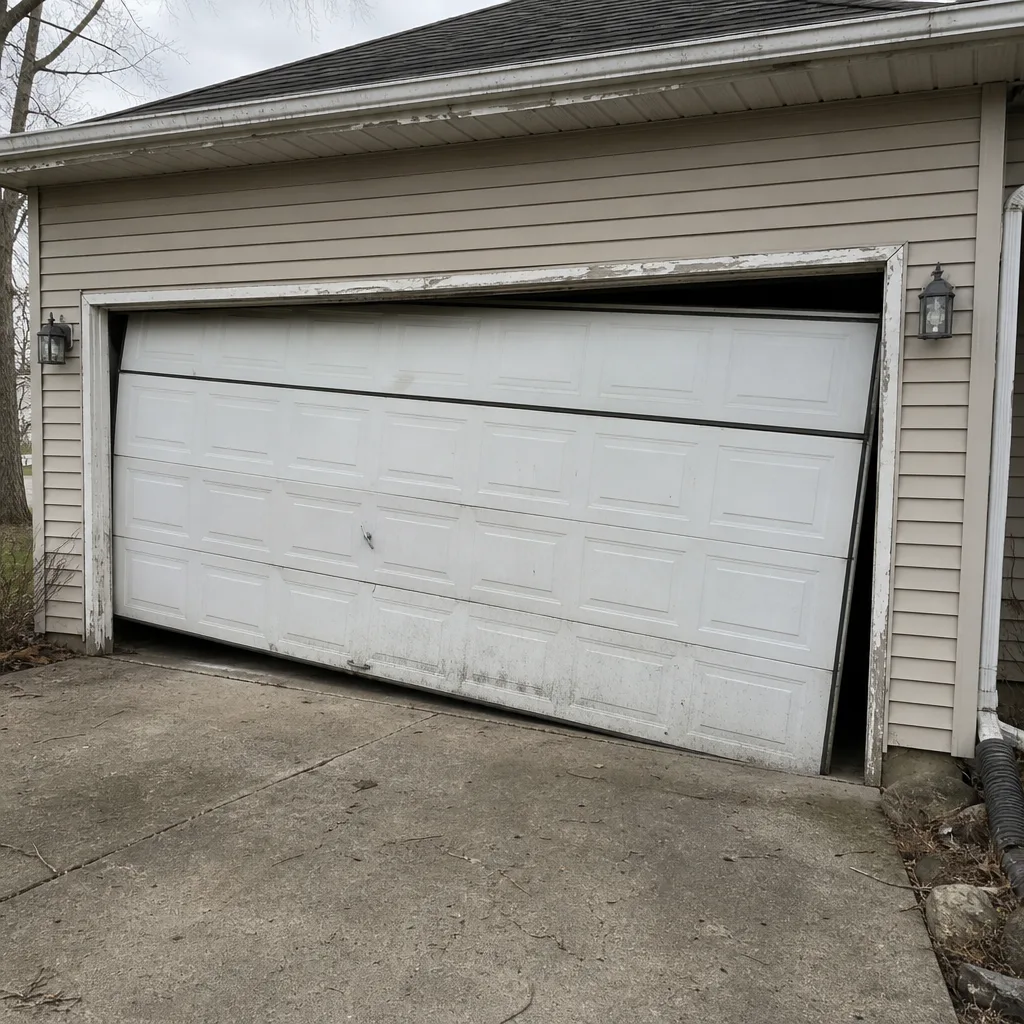 Before
 After
 Before
 After
 Before
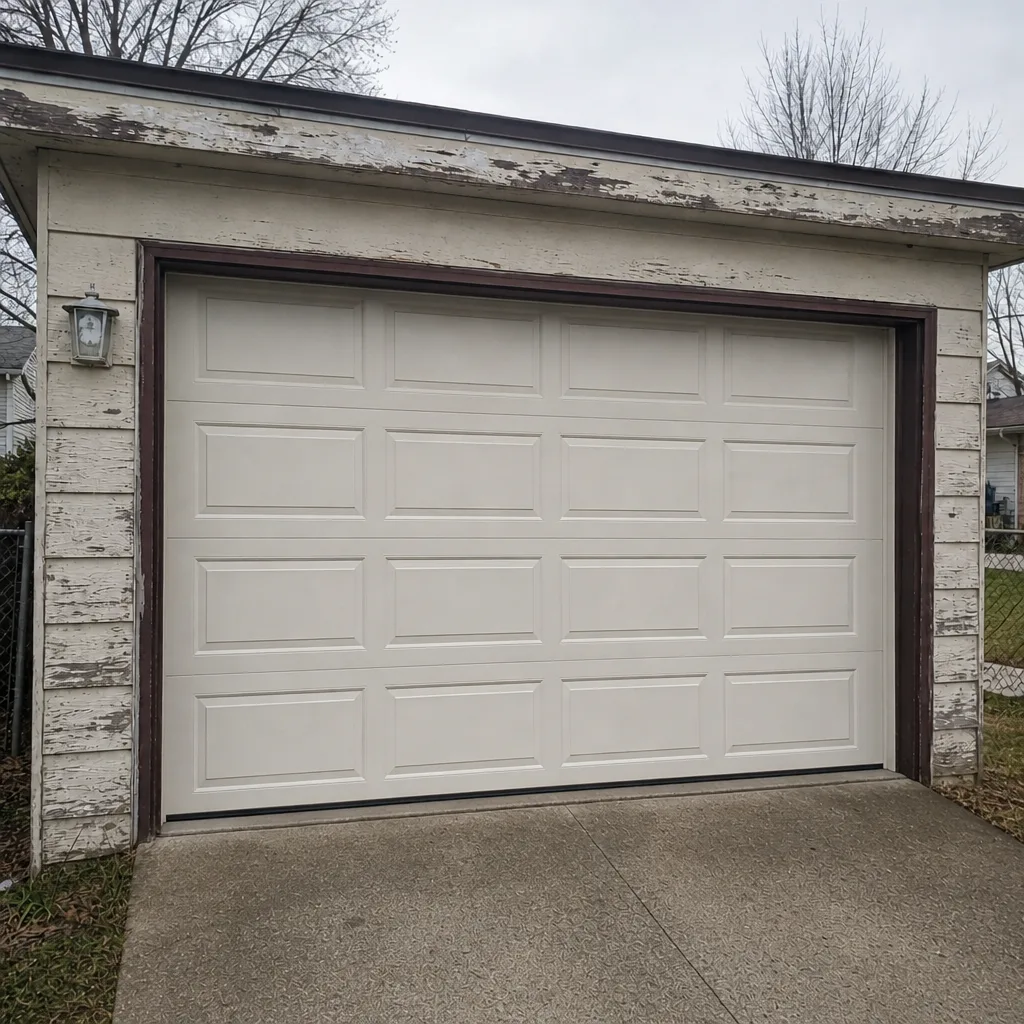 After
When to Call a Professional
Call a technician for a broken spring, a frayed or slack cable, a door that has come off its track, a bent track that won’t align, an opener that won’t reverse, or any noise that’s gotten louder, not quieter, over a week. Call for winter seal failures before the freeze, and call for a full tune-up once a year if you’d rather not handle the checklist yourself. And call for a diagnosis before you commit to a replacement; a second opinion costs very little next to the wrong door. DeKalb Garage Door Repair Pros offers free estimates in DeKalb, and we diagnose in person and quote in writing before any work starts. We work on the major brands including Genie, Clopay, Amarr and Wayne Dalton, and we handle standard appointments, same-day jobs and emergency door service. Call (866) 566-1663 to book.
Frequently Asked Questions
Fall lubrication of the rollers, hinges and track curve, done before the first hard freeze. It’s cheap, and it’s the check that prevents the winter failures that send people to emergency service in DeKalb. Call (866) 566-1663 if you’d rather have a technician handle it and inspect the springs at the same time.
Twice a year at minimum, plus a mid-winter top-up, because of the cold and the road grit. The fall check is the most important one. A garage door lubricant is the right product; WD-40 is not. If you’re setting up a first checklist, call (866) 566-1663 for a free estimate on a professional tune-up.
No. A wound torsion spring stores enough energy to cause serious injury, and the job requires specific tools and technique. This is the one part of the checklist that stays with a trained professional. Call (866) 566-1663 and we’ll handle the spring safely and quote before any work starts.
Disconnect the opener, lift the door halfway and let go. A balanced door stays in place; a door that drifts down has a spring or tension problem. If yours drifts, stop using the door and call (866) 566-1663 for a diagnosis.
Frayed strands, kinks, or slack on one side only. A straight, taut cable on both sides is normal; any difference between sides is a call. Call (866) 566-1663 for a free estimate before it fails and takes the door out of service.
It’s a mix. A tune-up covers lubrication, hardware tightening, and inspection of the springs, cables, tracks, seals and opener, and the technician replaces worn rollers, hinges or seals as part of the visit. Anything beyond that gets quoted before work starts. Call (866) 566-1663 to book a tune-up in DeKalb.
The Bottom Line
A garage door lasts a long time when it’s checked before it complains. The DeKalb climate does more damage in a freeze and a road-salt winter than a whole spring and summer of normal use, so the fall and early-spring checkpoints matter more than any generic schedule. Do the lubrication, the bolt tightening, the seal check and the safety reverse test yourself. Leave the springs and the cables to a technician, and log every visit so you know when a part is at the end of its life. If the log starts showing the same door three times in two years, it’s time to weigh a replacement. DeKalb Garage Door Repair Pros is a garage-door-only specialist, which means the technician who arrives knows your brand and your system. Call (866) 566-1663 for a free estimate in DeKalb.
Written by the team at DeKalb Garage Door Repair Pros.