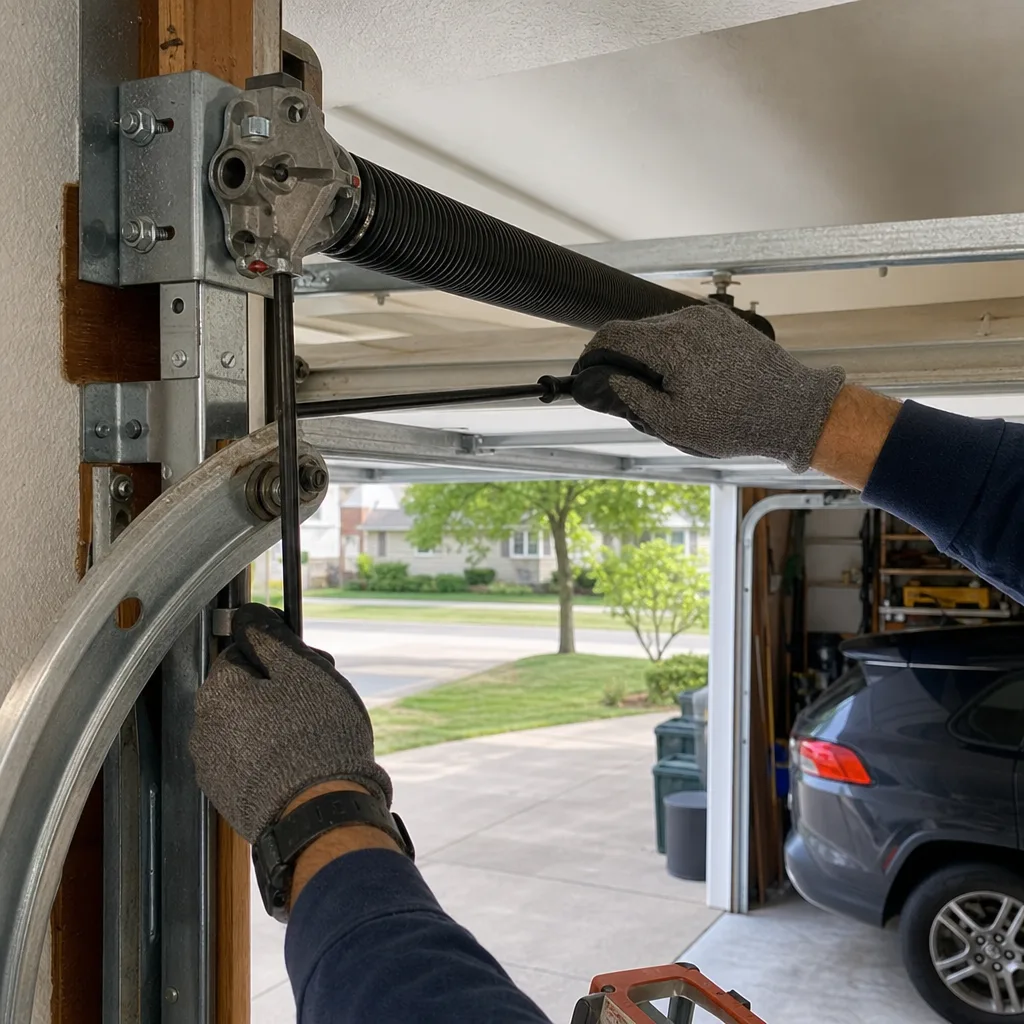
Last updated November 22, 2026
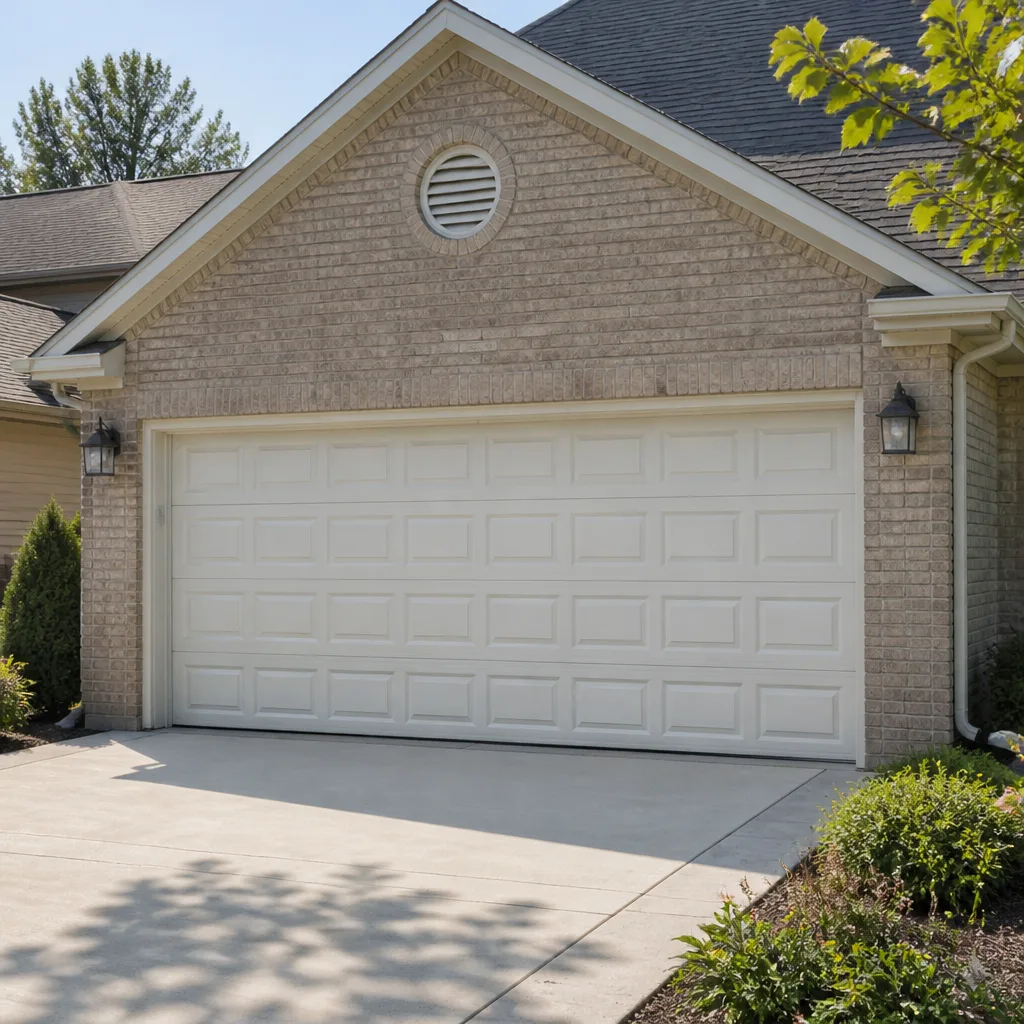 Raised-panel steel
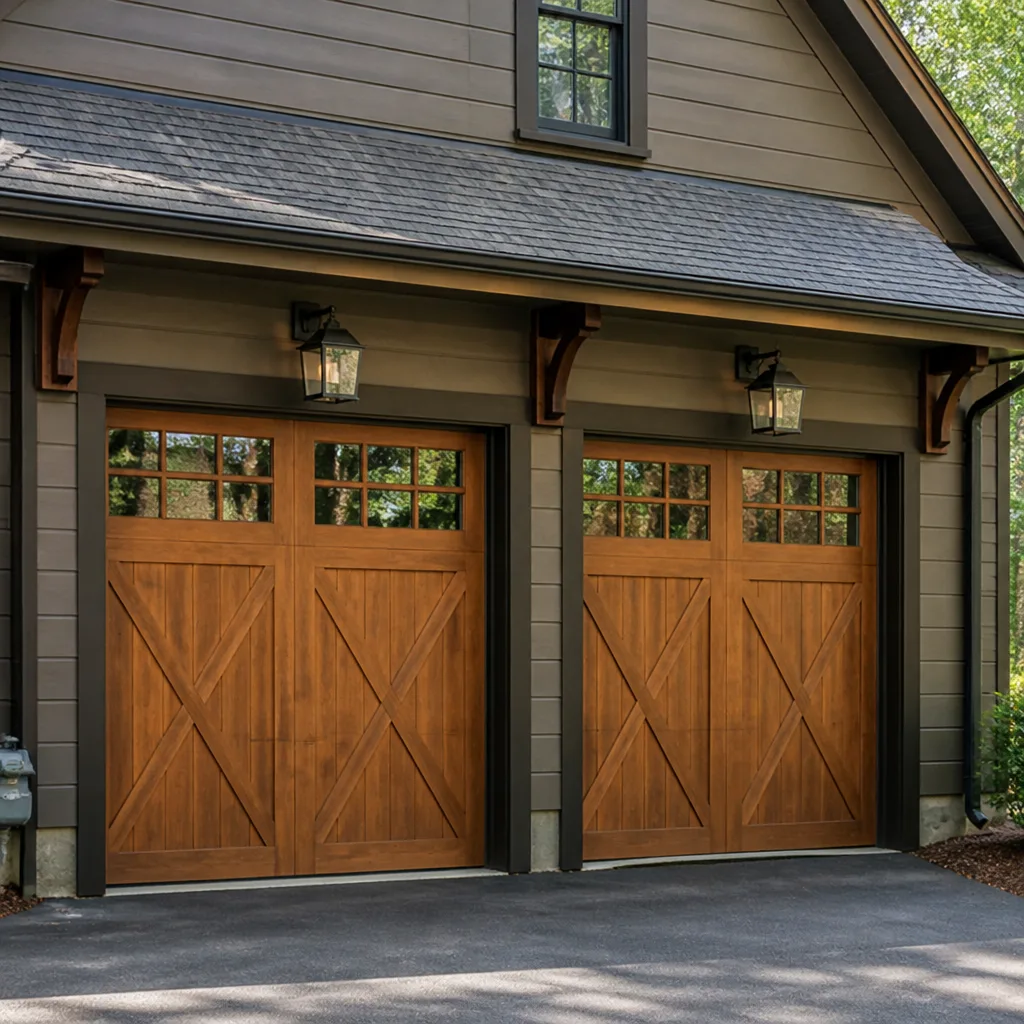 Carriage house
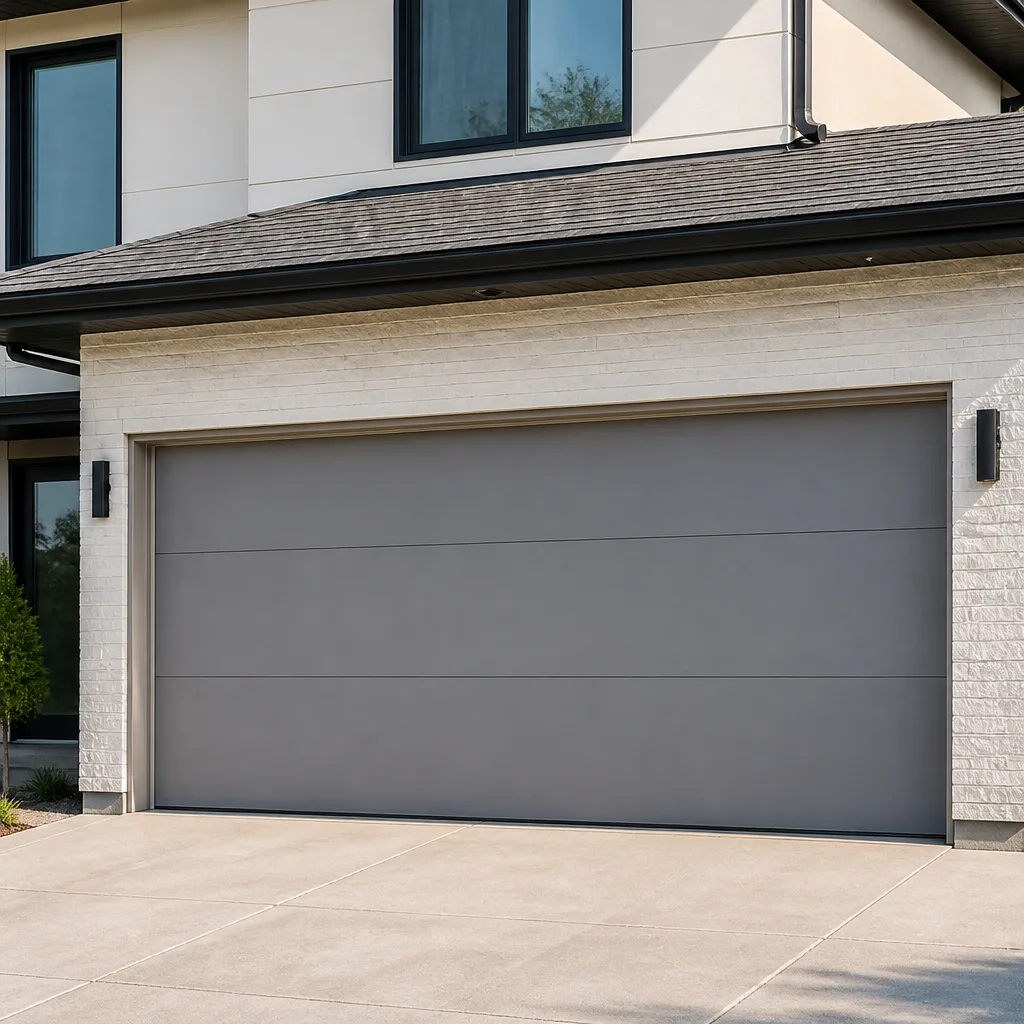 Modern flush
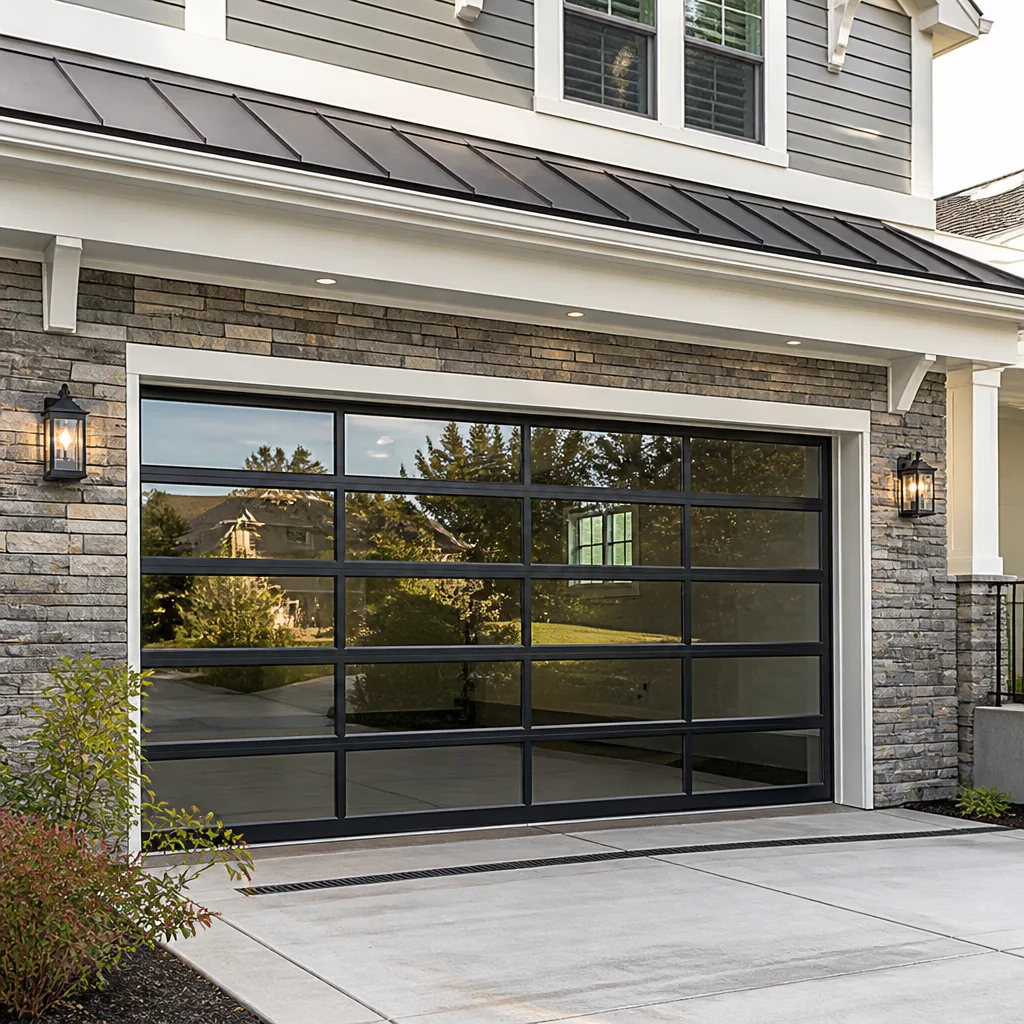 Full-view glass
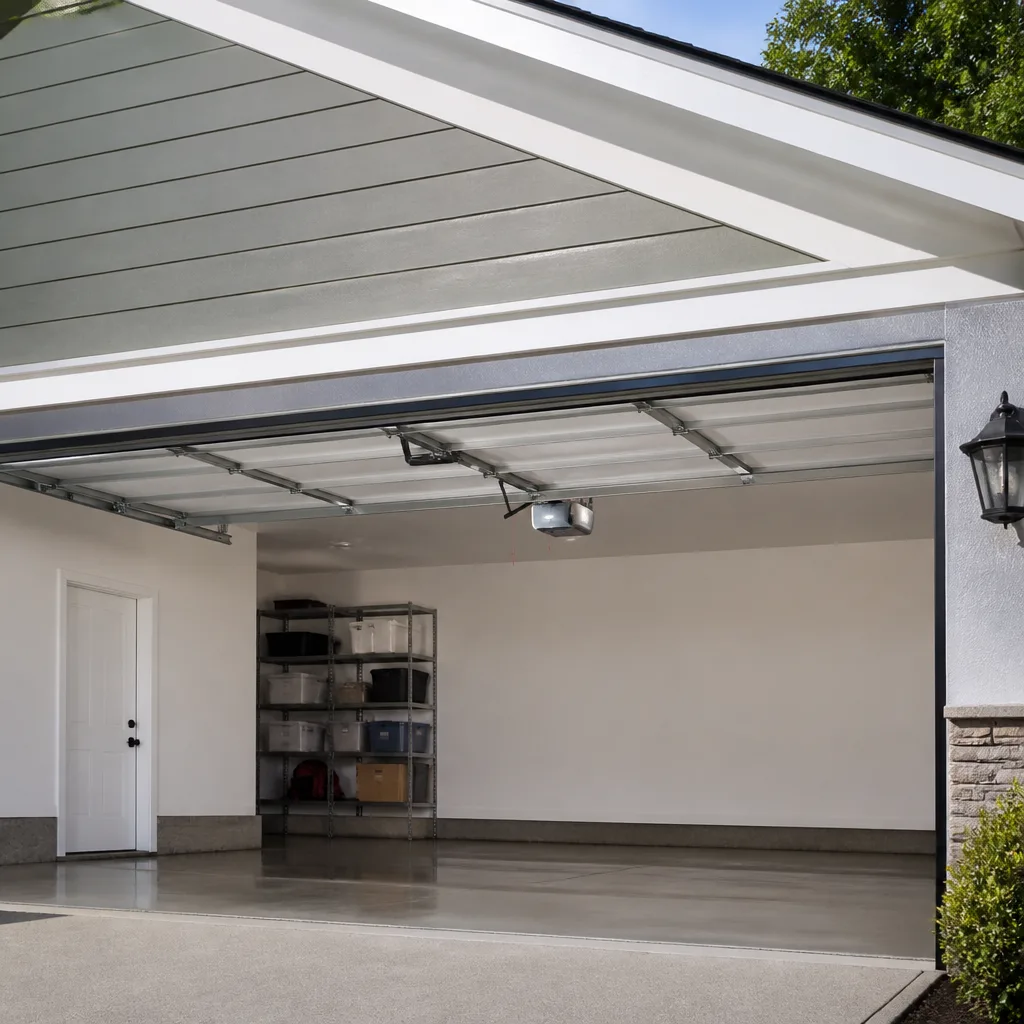 LiftMaster openers
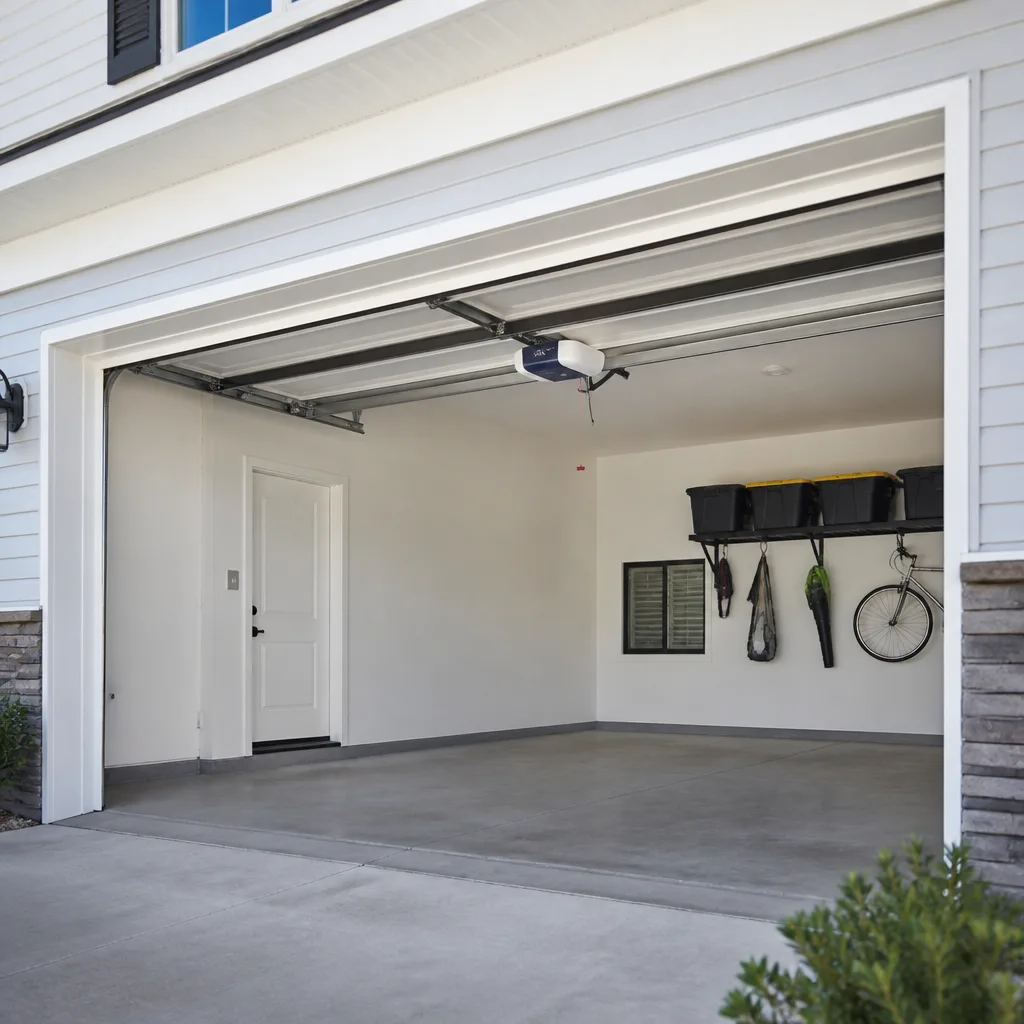 Chamberlain openers
Full 25-point door and opener safety check with every visit - springs, cables, rollers, tracks, and your LiftMaster or Chamberlain opener included
You get a price before we start. It does not change when the pro arrives.
Get your free estimateHow to Hire a Garage Door Contractor in DeKalb: A Step-by-Step Guide
Ask a contractor how they measure spring size and you’ll learn more in thirty seconds than a whole page of website claims. A specialist reads wire gauge and inside diameter and knows what the coil count tells them. A generalist guesses, orders two sizes, and hopes one fits. Most homeowners never think to ask, which is exactly why the question works so well. This guide walks you through the screening process that separates a genuine garage door specialist from a handyman who occasionally takes door work and a regional chain that treats your job as a number. By the end, you’ll know what questions to ask on the phone, what Illinois licensing does and doesn’t guarantee, how to compare bids that describe the same job in different words, and what a real emergency offering looks like. We’re writing this from DeKalb, where the mix of contractors is broad and the differences matter.
Quick Answer
To hire a garage door contractor in DeKalb, start with five phone questions: how they measure spring size, which cable drum types they work with, which brands they’re factory-familiar with, how they write their warranty, and whether they dispatch trained garage door technicians rather than general handymen. Compare quotes line by line, confirm the price is agreed before work begins, and ask for the warranty in writing. Illinois licensing covers general contracting standards but doesn’t certify garage door specialty, so the phone screening does most of the work.
Styles & brands we work with
- Raised-panel steel
- Carriage house
- Modern flush
- Full-view glass
- LiftMaster openers
- Chamberlain openers
Table of Contents
- Why Garage Door Specialists Matter More Than You’d Think
- The Five Phone Questions That Separate Specialists From Generalists
- What Illinois Contractor Licensing Covers for Garage Door Work
- DeKalb-Specific Red Flags to Watch For
- How to Compare Quotes When Bids Are Written Differently
- What a Legitimate Emergency Service Guarantee Looks Like
- Spring Repair Safety and Why It Isn’t a DIY Job
- The Step-by-Step Hiring Process
Why Garage Door Specialists Matter More Than You’d Think
A garage door is the largest moving object in most DeKalb homes. It runs on a counterbalance system of springs, cables, drums, and tracks that has to be within tolerance for the door to travel safely, close fully, and last. A torsion spring’s stored energy is significant: when it releases uncontrolled, it can injure the person standing under it and bend the door panels and tracks beyond repair. That’s a system worth handing to someone who works on it every day, not someone who read a manual last month.
Generalist handymen in the DeKalb market often take garage door calls because the jobs look simple from the outside. Replace a spring, swap an opener, straighten a track. The problem is the failure modes. A torsion spring replaced with the wrong wire gauge will fail early. A Genie opener mated to a Clopay door with the wrong spring balance will burn out its motor or trip the safety reverse before the door reaches the floor. A Wayne Dalton door with its proprietary hardware needs someone who knows that system specifically, not a generic spring kit from a supply house.
Specialist contractors arrive already familiar with the brand, the door weight, and the common failure points. In our experience, the diagnostic conversation itself separates specialists from generalists. A specialist asks what brand and age the door is, whether the door feels heavy when you lift it by hand, and whether the opener light is flashing a code pattern. A generalist asks for the address.
None of this means every job needs a full replacement. A good garage door repair technician diagnoses first and replaces only when the door or opener genuinely needs it. Doors with cracked panels, broken welds, or severely bent sections get replaced. Doors with a broken spring, a bad opener, or worn rollers get repaired. A contractor who proposes a new door on the first call without inspecting the existing one is quoting a sales pitch, not a diagnosis.
That’s the core of what we do at DeKalb Garage Door Repair Pros. Garage doors are all we do. Every technician we connect you with works the trade 100 percent of the time, and our technicians have up to 12 years of experience on the tools.
The Five Phone Questions That Separate Specialists From Generalists
You can screen out most of the field before anyone shows up at your door. These five questions take about four minutes on the phone. The answers matter more than the tone they’re delivered in.
- How do you measure spring size? A specialist measures wire gauge, inside diameter, and length, then calculates the door’s weight and matches the spring cycle rating. If the answer is “we bring a bunch of sizes and try them,” you’re talking to a parts-swapper. If the answer is “we measure the wire and match the door weight,” keep the number.
- Which cable drum types do you work with? Standard, high-lift, and low-headroom setups all use different drums. A specialist knows the difference and knows which drum goes with which track configuration. A generalist will answer “a drum is a drum.”
- Which brands are you factory-familiar with? The leading brands each have their own programming quirks, safety reverse behavior, and remote protocols. LiftMaster, Chamberlain, Genie, Clopay, Amarr, Wayne Dalton, Craftsman, and Raynor all appear in DeKalb homes. A contractor who has worked all of these can name them without hesitation and knows which ones fail in predictable ways.
- How is your warranty written? Ask for the warranty terms in writing, including what’s covered and for how long. “We stand behind our work” is not a warranty. A written term with a specific coverage description is.
- Who actually shows up? A dedicated garage door specialist sends garage door technicians. A general contractor sends whoever’s available that day. The difference matters when the job turns out to be a torsion spring replacement on a door with a non-standard drum.
You’ll often get a partial answer to the first question even from generalists: they’ll know a torsion spring is different from an extension spring. Push on the measurement method. If the person on the phone can walk through wire gauge naming and door weight calculation, you’re talking to a specialist. If they can’t, thank them and move to the next call.
What Illinois Contractor Licensing Covers for Garage Door Work
Here’s the floor most homeowners don’t know. Illinois has a state roofing license and state plumbing and electrical licensing, but garage door installation and repair is not a separately state-licensed trade. Where a municipality requires a general contractor registration or a home repair license, the contractor operating in that town is expected to hold it, and home repair and remodeling work has consumer protection statutes attached. That’s the framework. It doesn’t certify anyone as a garage door specialist.
Ask three things on the phone and in the written estimate:
- Is the contractor registered or licensed at the state or municipal level for the work they do? Most cities in Illinois require a permit or registration for structural or substantial home repair work. Garage door replacement can fall under that umbrella, depending on the municipality. Ask the DeKalb building department whether your job needs a permit before you hire. The answer will tell you whether the contractor you’re considering can pull one.
- Are the technicians insured? The local pro you hire should carry liability insurance and workers’ compensation coverage. Ask for the certificate before work starts, especially on spring replacement where the recordable injury rate in the trade is real.
- What’s the written scope? Illinois consumer protection rules give homeowners remedies for home repair fraud, but those remedies work better with a written contract. Insist on a written estimate that lists the parts, the labor, and the price.
Licensing is the floor, not the ceiling. A contractor can be fully legal and still be the wrong person for a torsion spring job. That’s why the phone screening matters so much in this trade: the credential says the contractor is allowed to work, and the technical answers say whether the work will actually be done right.
For a broader picture of the repair side of the trade, the garage door repair service page covers what’s involved in common repair calls.
DeKalb-Specific Red Flags to Watch For
DeKalb has a mix of contractors from all along the I-88 corridor, and a few patterns are worth knowing before you dial.
Out-of-area companies with a DeKalb-number presence. Some companies route calls through an answering service and dispatch from a metro market. The phone number and the website map may both say DeKalb, but the crew is arriving from an hour-plus away. Ask where the technicians will come from before you book. If the answer is evasive, that’s the answer.
Vague warranty language. “Lifetime warranty” without a written document is marketing. Ask what it covers, what voids it, and whether it’s tied to the parts or the labor. A written warranty with specific terms is what you want. A verbal promise backed by a business card is not a warranty at all.
Upsell patterns on torsion spring jobs. A torsion spring and a matched pair of springs are two different quotes, and a homeowner should hear the difference before the estimate is signed. The price for one spring is for one spring. A pair is priced as two. A contractor who quotes the pair at the one-spring price and later explains away the difference on the invoice is running a bait pattern. Get the price in writing before work starts and confirm whether the quote covers one spring or both.
Pressure to replace the whole door. In DeKalb, doors that are structurally sound and mechanically failing usually need repair, not replacement. The exception is a door with cracked panels, a bent track beyond straightening, or an opener so far gone that its motor and safety reverse can’t be made reliable. A contractor who recommends replacement before a technician has inspected the door and the opener is skipping the diagnosis step.
No address, no written estimate, and cash-only deposits. Any one of those is a yellow flag. All three together is a pass.
For a specialist scope that already covers the diagnostic step, take a look at our garage door repair service in DeKalb.
How to Compare Quotes When Bids Are Written Differently
Two contractors can quote the same job and land $40 apart, or $400 apart, depending on what each bid includes and how it’s worded. The line items matter more than the totals.
Ask every contractor to separate the bid into four categories: parts, labor, warranty, and what’s excluded. Then compare line by line.
- Parts. Confirm the spring or opener model, the wire gauge or amp rating, and the brand. A bid that says “spring replacement” without a brand or specification is not a comparable line item.
- Labor. Spring replacement, opener replacement, and track realignment are separate labor lines. A single combined price can hide scope. Ask for each item’s price.
- Warranty. Written term, what’s covered, and how it’s claimed. A one-year labor warranty and a one-year parts warranty are not the same thing.
- Exclusions. If the bid excludes “hardware replacement” or “door realignment,” it’s a smaller job than it looks. Read the exclusions before comparing totals.
The other comparison that catches homeowners is tax and haul-away. A bid that removes and disposes of the old unit may or may not include the dumpster fee. A bid that quotes a “starting at” price without specifying the job size isn’t comparable against a fixed-price bid. Ask for the final price in writing before work begins, and confirm the written estimate is the price you’ll pay.
This is why we quote first and start work second. The written estimate you approve is the number that appears on the invoice. If the technician finds something different during the inspection, the revised price is discussed and approved before any further work happens. It’s the plainest way we know to make a bid comparable to any other bid.
What a Legitimate Emergency Service Guarantee Looks Like
Most contractor websites have an emergency line. Fewer have an actual dispatch operation behind the phone that can get a technician to a DeKalb home when a spring snaps at 7 a.m. or an opener fails the night before a work trip. The difference is testable.
Here’s what a real emergency service looks like when you call it:
- The phone reaches a person who can dispatch. Not a message box, not a callback queue, not a chatbot that asks you to describe your problem in 140 characters. An emergency number that rings a technician or a dispatcher is a real emergency number.
- The call-taker asks diagnostic questions. What’s the brand, what’s the symptom, is the door stuck open or closed, is anyone under the door. That’s a dispatch conversation, not a sales script.
- The price is quoted before work starts. Emergencies don’t suspend the written-estimate rule. If anything, they’re more important. The call-taker should be able to give a range before a technician is sent, and the written price should arrive in writing.
- Fast dispatch from 7am to 7pm is what’s on offer. We answer 24/7 on the phone, and we send technicians during that dispatch window. That’s what we’ll tell you when you call. If a contractor promises something different, ask them what backs it up.
Broken springs are the most common emergency in this trade, and they’re also the most dangerous to work around. A door with a snapped torsion spring is under uneven load and shouldn’t be operated by hand or by opener. Call a specialist, keep the door closed, and don’t try to lift it. A specialist can diagnose the failure by phone and schedule a garage door spring repair the same day in many cases. Our technicians have up to 12 years of experience on the spring side specifically, and it’s a named core service rather than a sideline.
Spring Repair Safety and Why It Isn’t a DIY Job
A garage door torsion spring stores enough energy that a failed release can cause serious injury, and in some cases fatal. That’s not a scare tactic. It’s the reason spring replacement is one of the few home repair jobs where the trade literature is full of cautions about confined work and sudden energy release. We have technicians who do this work every day, and we still don’t ask them to do it alone.
What you should not do:
- Don’t try to remove the torsion spring from the center bracket by hand.
- Don’t use a screwdriver or a makeshift winding bar.
- Don’t operate a door with a snapped spring, and don’t force it closed if it’s stuck open.
- Don’t disconnect the opener to “see what happens.” The opener is not the problem, and a free door under a broken spring can fall.
What you can safely check: whether the door feels heavy when lifted by hand with the opener disconnected, whether the door travels evenly on both sides, and whether the opener light is flashing a pattern (which tells a specialist a code without a visit). Beyond that, it’s a specialist’s job.
Ask the contractor on the phone how they handle spring jobs, and listen for the words “matched pair.” Torsion springs are usually replaced as a matched pair because both springs have cycled the same number of times. Replacing one while leaving the other invites the second failure a few months later. A contractor who recommends one spring and doesn’t explain the cycle consideration is quoting a cheaper job, not a complete one.
Walk through the repair scope on our garage door spring repair page if you want to know what a typical spring call involves before you call.
The Step-by-Step Hiring Process
If you want to run this like a checklist, here it is. It’s the same process we’d walk a friend through.
- Describe the symptom, not the part. “The door won’t close all the way” is a better starting point than “I need a new opener.” A specialist diagnoses from the symptom; the wrong diagnosis from the homeowner is how a $600 opener becomes a repair bill.
- Run the five phone questions. Spring measurement, cable drum types, brand familiarity, warranty terms, and who shows up. You’ll know within five minutes whether you’re talking to a specialist.
- Ask about emergency dispatch. Even if it isn’t an emergency today, ask what happens when one is. The answer tells you whether the phone line is real.
- Get the written estimate. Parts, labor, warranty, exclusions. Confirm the written estimate is the final price before work starts.
- Confirm insurance and registration. Ask for the certificate, especially if the job is a spring replacement or a new door installation.
- Compare at least two bids line by line. Not totals. Line items.
- Get the warranty in writing. A one-page warranty is fine. A verbal promise is not.
- Ask about the brand. If your door is a Genie, Clopay, Amarr, or Wayne Dalton, confirm the contractor has worked that brand before. Each has its own hardware, its own opener pairing, and its own failure patterns. A specialist knows which.
If your opener is the failing part, we also handle garage door opener repair as a named service. The diagnostics are different from a spring call, and the questions to ask change slightly (which brand, which opener model, which safety reverse behavior). Bring the opener model number to the call if you have it.
Common Mistakes to Avoid
- Hiring on price alone. The lowest bid in DeKalb is often the one with the shortest warranty and the fewest specs in writing. A low bid and an unclear bid are often the same bid.
- Not asking whether the quote is for one spring or a pair. The two are different jobs and different prices. A bid that doesn’t specify which one covers is a bid you’ll be surprised by.
- Skipping the phone screening. The 30-second question about spring measurement eliminates half the field before anyone schedules a visit. It’s the single highest-value step.
- Accepting a verbal warranty. “We stand behind it” means whatever the contractor decides it means on the day of the claim. A written term does not.
- Letting the door run with a broken spring. Operating the opener against a free-falling door causes motor damage, bends the center bracket, and risks injury. Leave the door closed and call.
- Treating a handyman’s garage door work as specialty work. Generalists can do some garage door jobs. They can’t size a torsion spring to a Wayne Dalton door’s weight and cycle rating, and the wrong spring is a follow-up call you don’t want.
- Assuming a permit is someone else’s job. Ask the DeKalb building department whether your door replacement needs a permit before you hire. The answer is a good screen for whether the contractor you’re considering can actually pull one.
See the difference
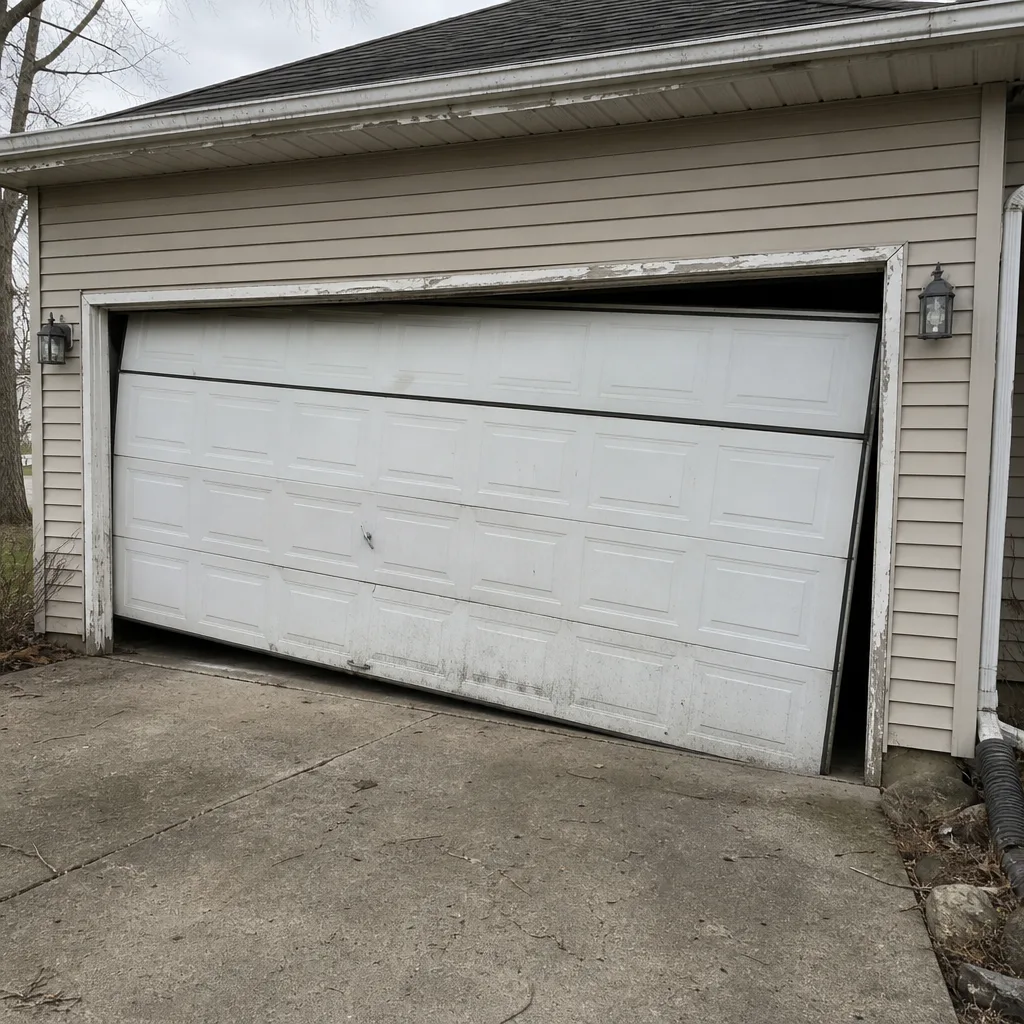 Before
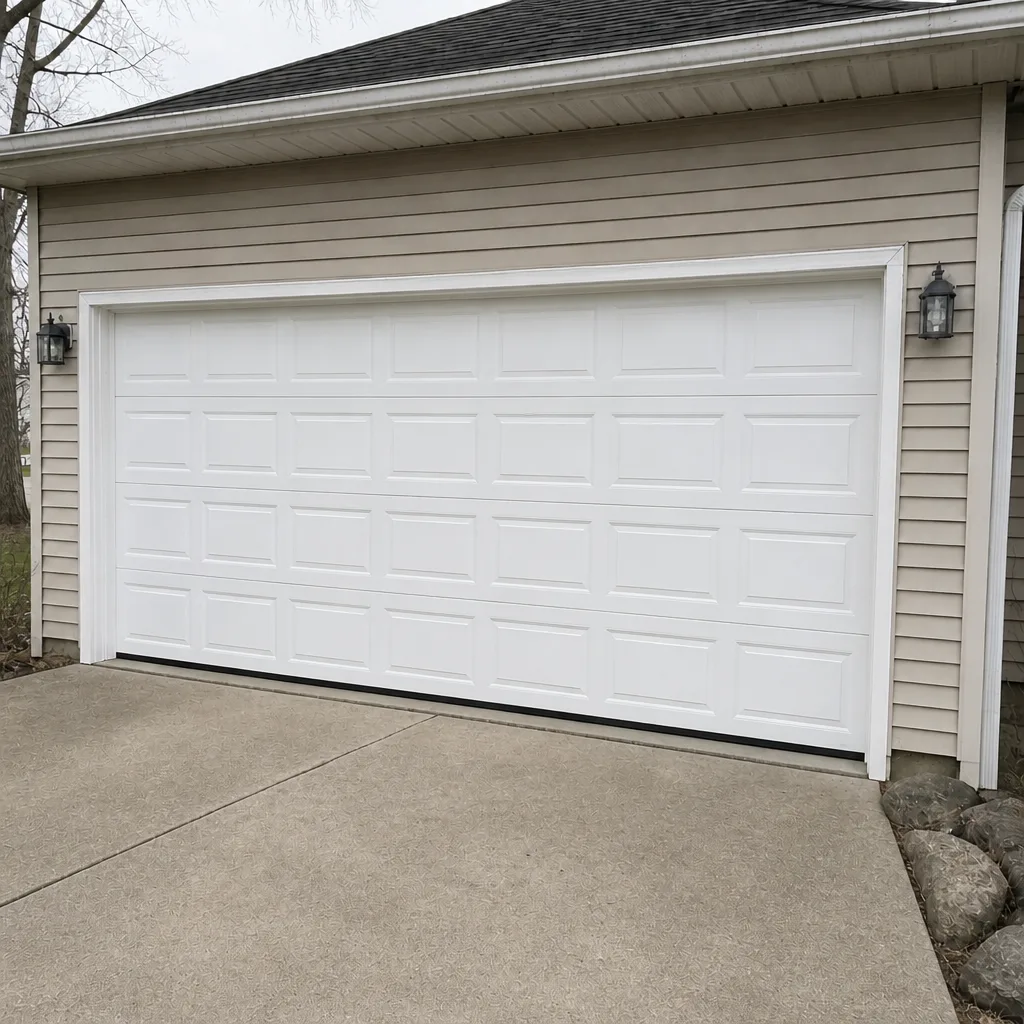 After
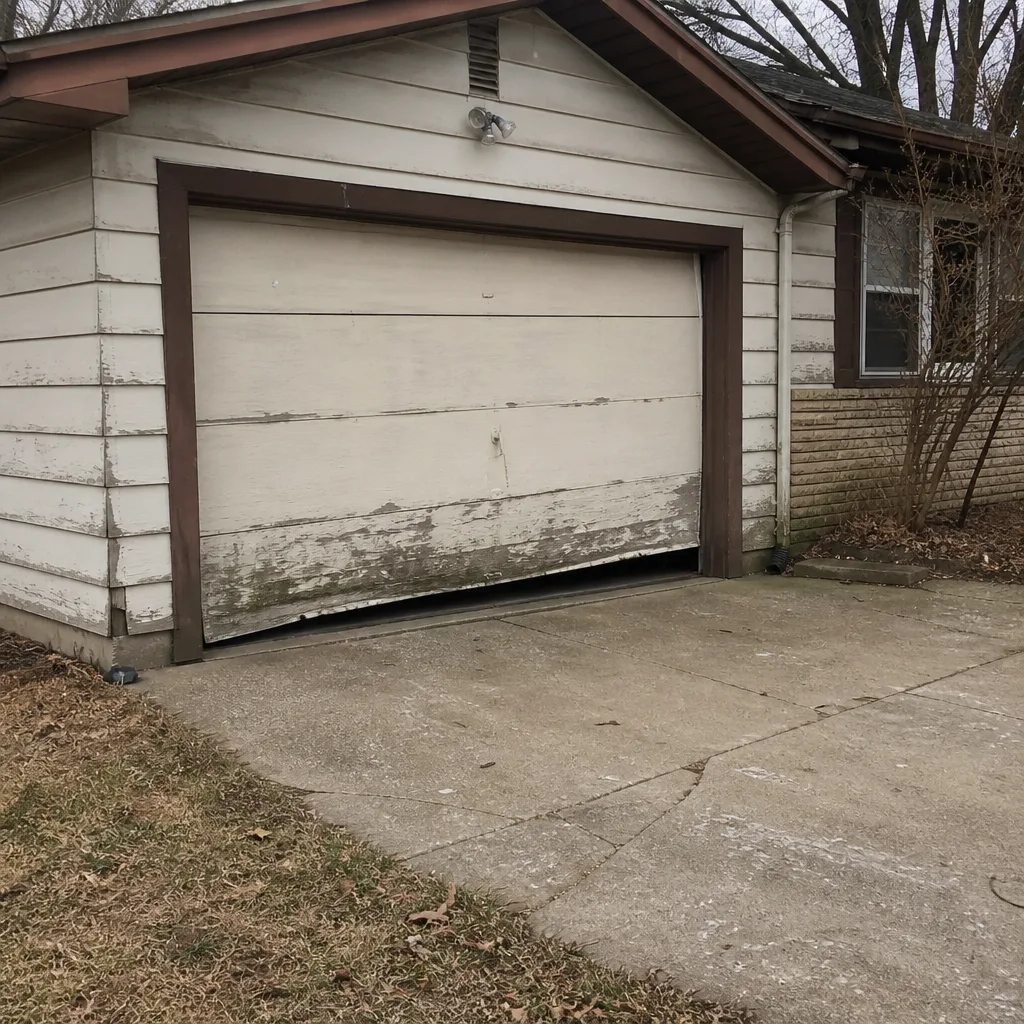 Before
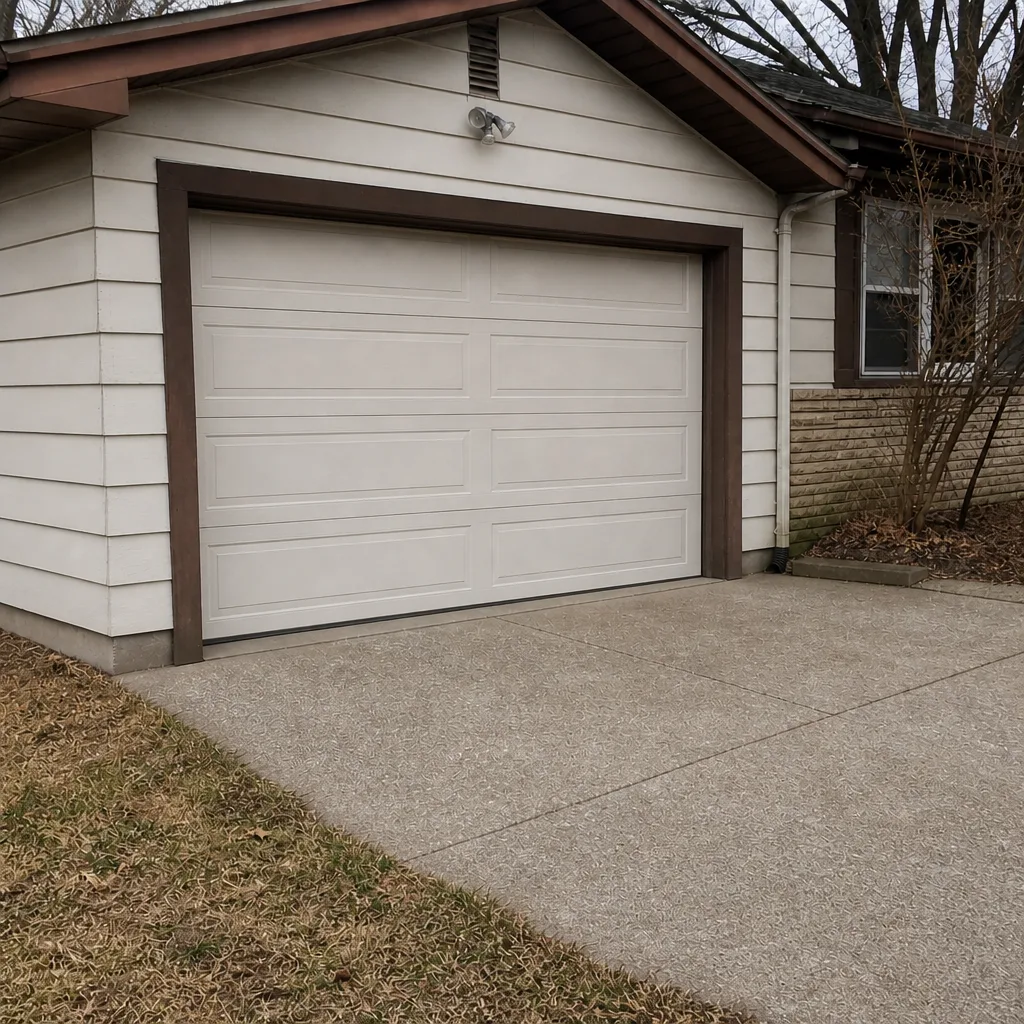 After
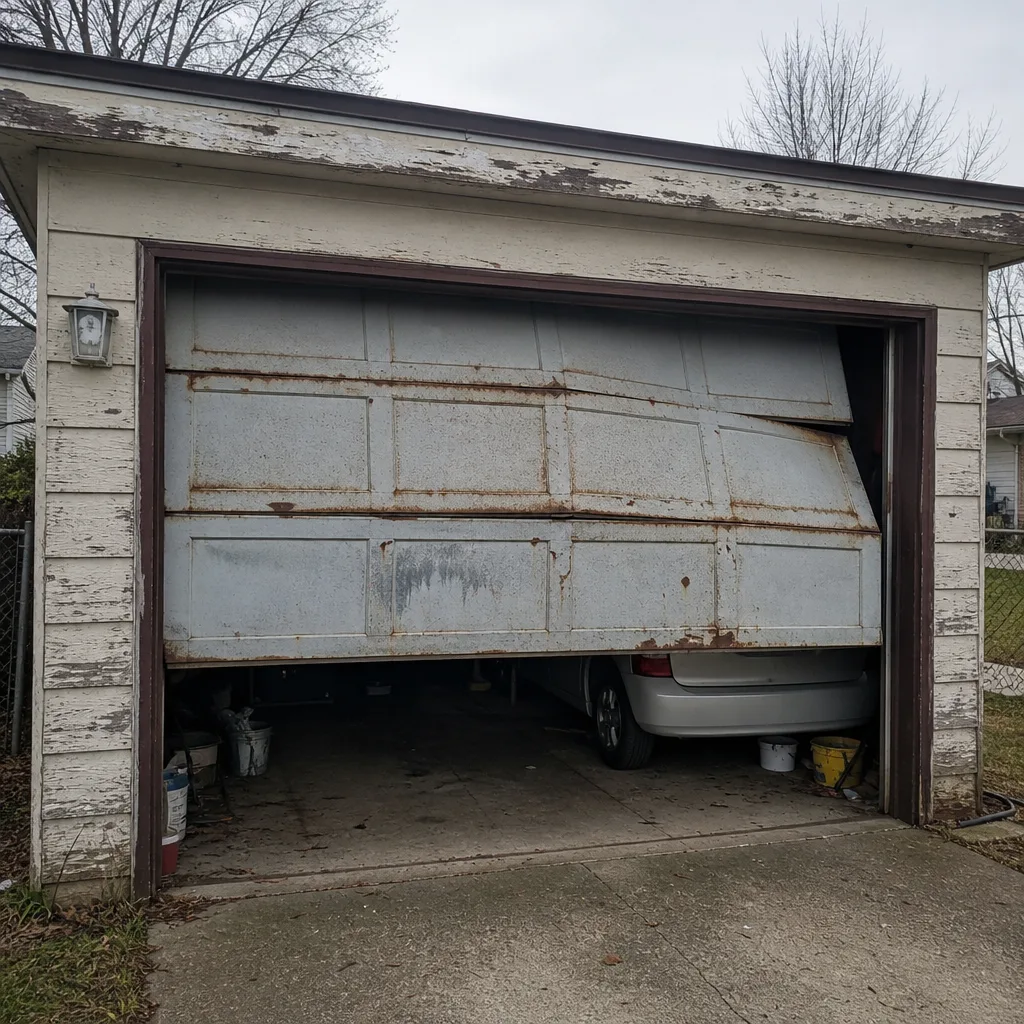 Before
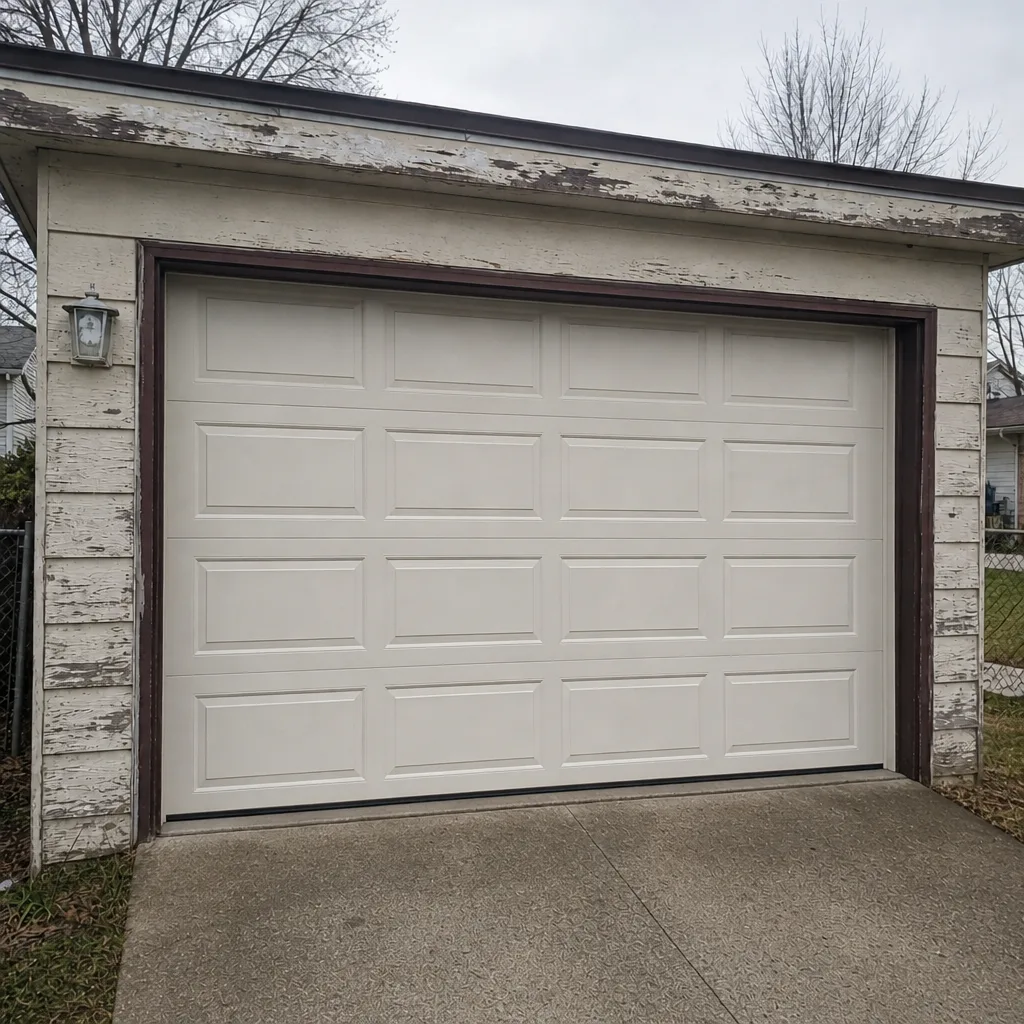 After
When to Call a Professional
Call a specialist for a snapped torsion spring, a door that’s visibly uneven when closed, an opener that reverses or trips the safety system repeatedly, a door that won’t close all the way against the floor, a bent track, a cable that’s frayed or off its drum, or an opener with a flashing diagnostic code you can’t resolve. Call for a new door installation or a replacement when the existing door has cracked panels or bent tracks beyond straightening. Call if the door has been hit and the panels or frame are out of alignment. For a spring replacement or opener failure, speed matters because a stuck door is a security and access problem for the whole household. DeKalb Garage Door Repair Pros offers free estimates in DeKalb. Call (866) 566-1663.
Frequently Asked Questions
Ask how they measure spring size and how they work with the brands in your home. A specialist knows wire gauge, inside diameter, door weight calculation, and the differences between LiftMaster, Chamberlain, Genie, Clopay, Amarr, Wayne Dalton, Craftsman, and Raynor. A generalist gives a general answer. The phone screen takes about four minutes and eliminates most of the field.
Illinois does not issue a standalone garage door contractor license, so no contractor is “licensed in garage doors” as a state credential. The general contractor registration or home repair licensing that applies in most municipalities is the floor. Ask the DeKalb building department whether your specific job requires a permit, and ask any contractor you’re considering for proof of insurance before work starts.
No. A torsion spring stores enough energy that a failed release can cause serious injury, which is why the trade treats spring repair as a specialist service. Keep the door closed, don’t run the opener, and call a garage door specialist. A professional typically replaces both springs as a matched pair because they’ve cycled the same number of times, so the second failure is usually a matter of time if only one is replaced.
Ask for the warranty in writing, and confirm what it covers: parts, labor, or both. A written one-year labor warranty is worth more than a verbal “lifetime” promise with no document. Confirm how claims are made and whether the warranty is tied to the specific spring, opener, or door model. If the contractor can’t email or print the warranty terms before you hire, ask why.
We answer 24/7 on the phone, and we send technicians during the fast dispatch window from 7am to 7pm. Spring and opener failures are the most common emergency calls in DeKalb, and a same-day appointment is often possible. The phone call is the right first step because a specialist can diagnose the failure and give a price range before dispatching a technician.
Quotes vary because the line items are described differently. One bid is for a single spring, another for a matched pair. One includes the warranty, another doesn’t. One excludes door rebalancing, another includes it. Ask each contractor to list parts, labor, warranty, and exclusions separately, then compare line by line. The written estimate is what sets the final price, so the specification matters as much as the total.
The Bottom Line
Hiring a garage door contractor in DeKalb is a screening exercise. Ask the five phone questions about spring measurement, cable drum types, brand familiarity, warranty terms, and who shows up. Confirm the written estimate covers one spring or a pair, and confirm the price is agreed before work starts. Check insurance and municipal registration, and ask the building department about permits for a door replacement. Compare bids line by line, not by total. The specialist you’re looking for will answer every question without hesitation, and the generalist will take themselves out of the running before they ever get to your driveway.
DeKalb Garage Door Repair Pros is a garage-door-only specialist. We work on LiftMaster, Chamberlain, Genie, Clopay, Amarr, Wayne Dalton, Craftsman, and Raynor equipment. Garage doors are all we do. For a free estimate in DeKalb, call (866) 566-1663. We answer 24/7 on the phone, and we’ll walk you through the diagnostic questions before we quote the job. The written price you approve is the price you pay.
Written by the team at DeKalb Garage Door Repair Pros.