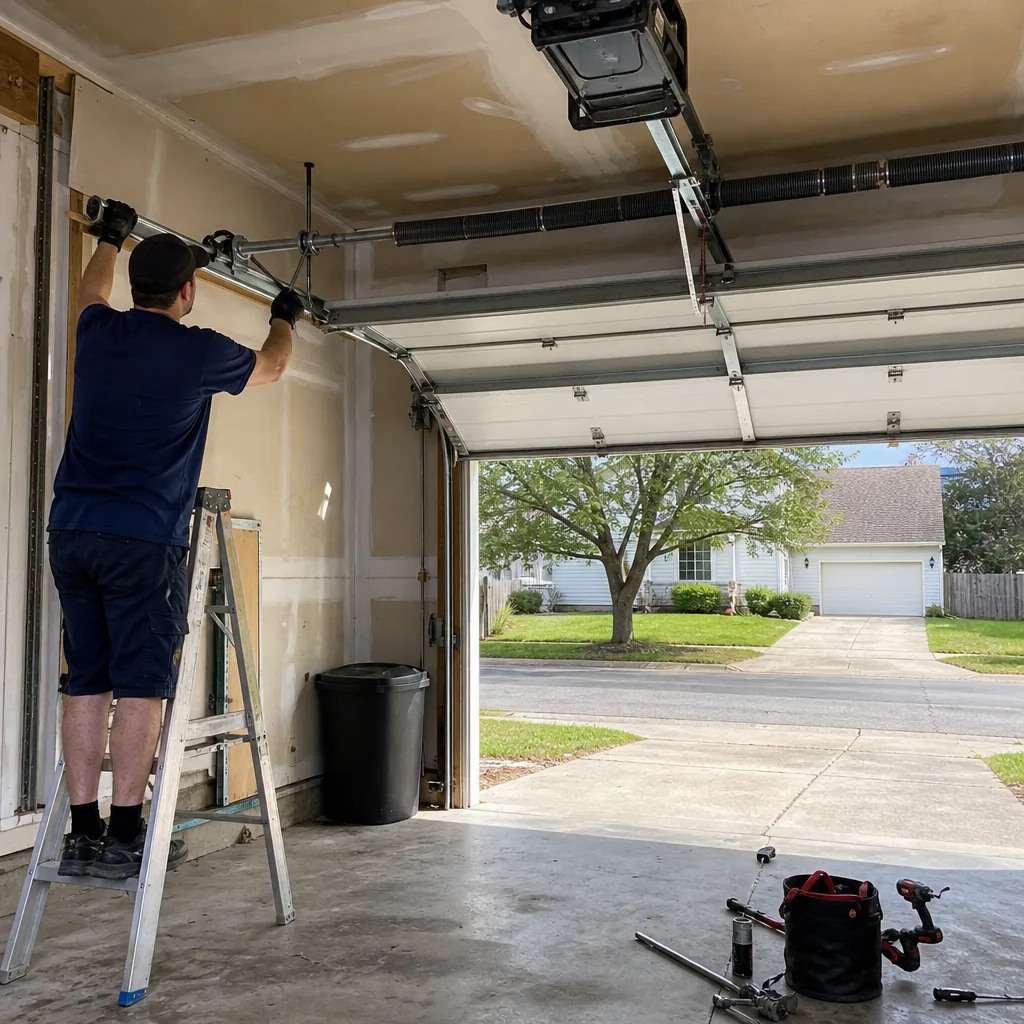
Last updated November 22, 2026
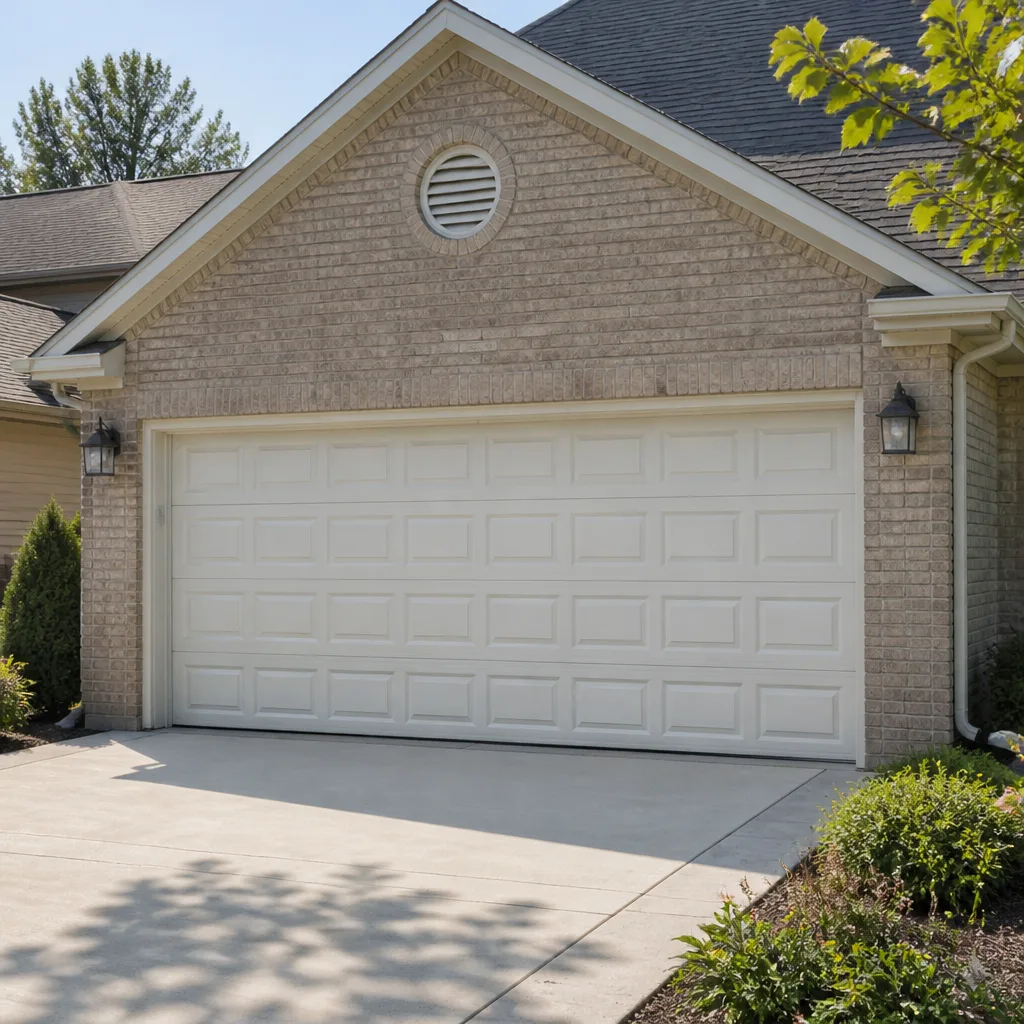 Raised-panel steel
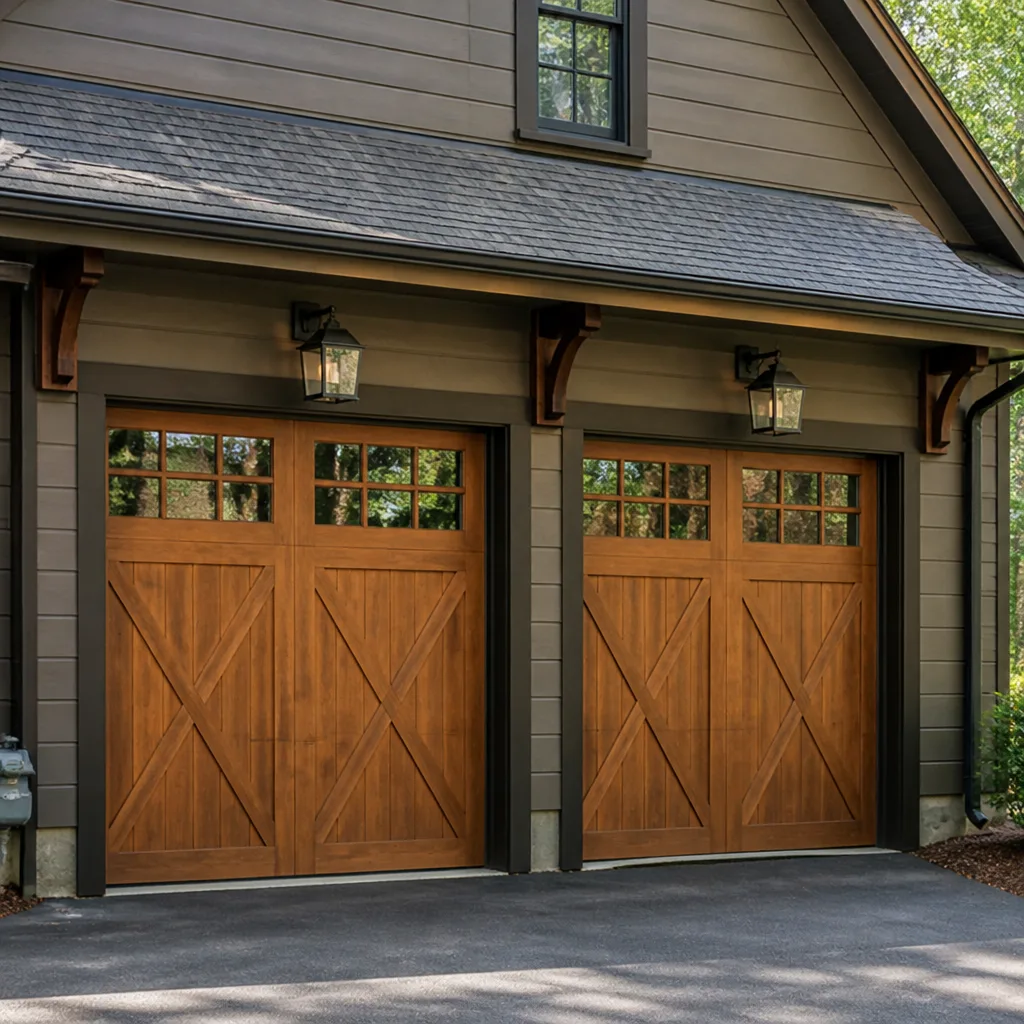 Carriage house
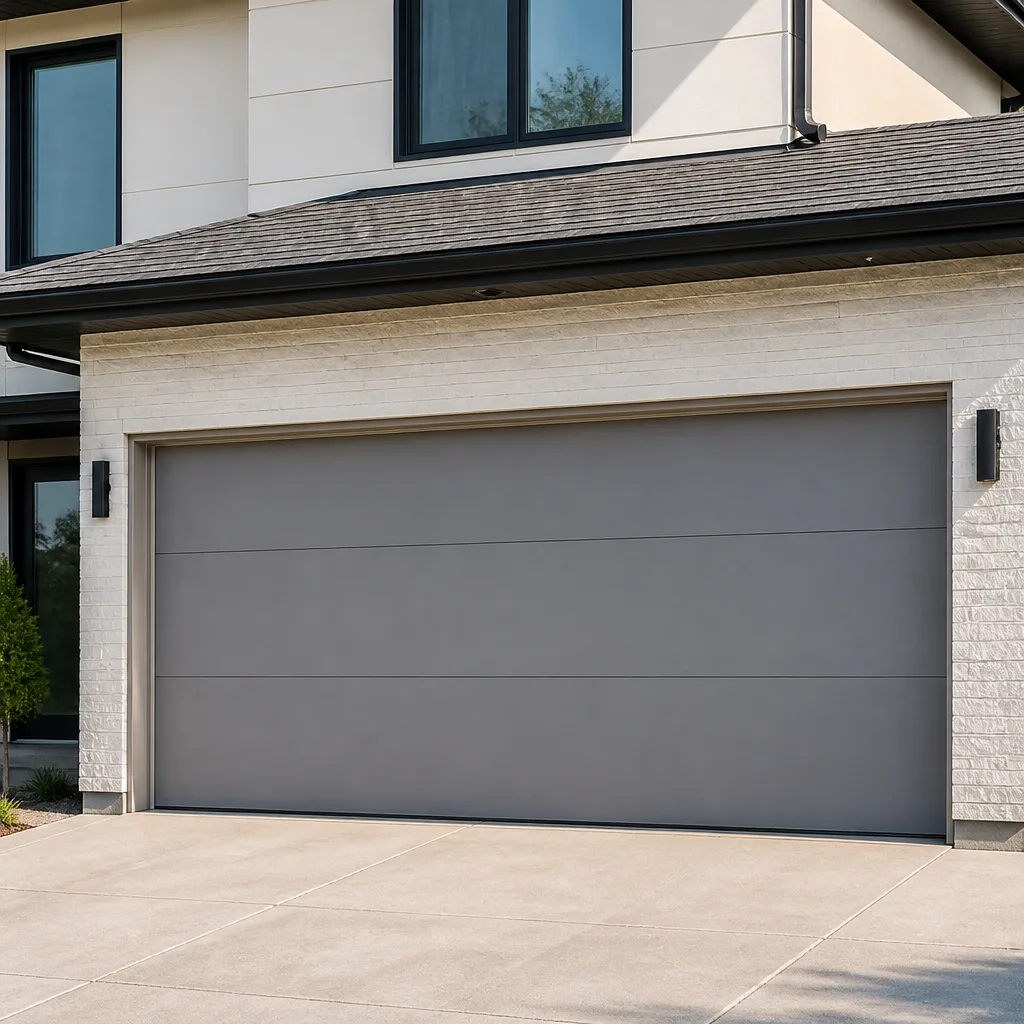 Modern flush
 Full-view glass
 LiftMaster openers
 Chamberlain openers
Full 25-point door and opener safety check with every visit - springs, cables, rollers, tracks, and your LiftMaster or Chamberlain opener included
You get a price before we start. It does not change when the pro arrives.
Get your free estimateSeasonal Garage Door Care for DeKalb: Year-Round Homeowner’s Guide
Most garage door advice you’ll find online is written for a mild climate that doesn’t exist here. A single annual checkup assumes one season does the damage. In DeKalb, four different seasons do four different kinds of damage, and each one hits a different part of your door. Winter attacks springs with sub-zero wind chills that strip tension from the metal. Spring thaw moves the ground under your frame. Summer humidity swells wood panels until tracks bend out of line. Fall is the last chance to catch cable wear before cold makes metal brittle. This guide walks through each window, what to check, and what it typically costs to fix, so a $200 problem in October doesn’t become a $1,200 problem in January.
Quick Answer
Seasonal garage door care in DeKalb means intervening four times a year, not once. Winter prep centers on cold-rated lubricant and a bottom seal that won’t freeze to the slab. Spring work means checking whether frost heave has shifted your frame. Summer care watches wood-panel swelling, and fall is the window to catch cable wear before the cold sets in. Skipping any one of these windows is what turns a small adjustment into a spring, cable, or opener failure.
Styles & brands we work with
- Raised-panel steel
- Carriage house
- Modern flush
- Full-view glass
- LiftMaster openers
- Chamberlain openers
Table of Contents
- Why DeKalb Doors Age Differently
- Winter Prep: Lubricant and Frost
- Spring: Frost Heave and Frame Shift
- Summer: Humidity and Wood Panels
- Fall: The Last Window for Cable Wear
- Spring Tension and Seasonal Balance
- A Year-Round Care Calendar
- What Seasonal Care Costs in DeKalb
Why DeKalb Doors Age Differently
DeKalb sits at a latitude where the temperature swings across a full year by roughly 60°F between the coldest winter nights and the hottest summer afternoons. Your garage door is a metal and wood assembly that expands, contracts, and flexes with every one of those swings. Multiply that by thousands of open-and-close cycles and you get parts that fail on a schedule the calendar can predict.
The local climate adds a second layer. DeKalb averages 33 inches of annual snowfall, and sub-zero wind chills are routine in January and February. That cold isn’t just uncomfortable to be outside in – it changes the physics of how your door operates. Torsion springs, the coiled steel that counterbalances the door’s weight, lose tension measurably in the cold. By February, a spring that tested fine in October can be operating at roughly 15% below its rated cycle force. That doesn’t mean it snaps overnight. It means the opener works harder, the door feels heavier, and the whole system is running on borrowed strength.
Then spring arrives and the ground thaws. Frost heave lifts and settles soil under your garage slab, and in older DeKalb garages the frame can shift with it. That shift throws the door out of square and forces the opener to fight the track. Summer humidity comes next, working on wood panels and metal rails in a different way. And fall, the season most homeowners ignore, is when the cold makes already-worn cables brittle enough to fail.
The takeaway matters: a single annual tune-up can’t catch all four of these windows. This guide breaks them apart, season by season, so you’re intervening at the right time for the right failure mode.
Winter Prep: Cold-Rated Lubricant and Frost Control
Winter prep for a DeKalb garage door centers on two things: the lubricant you put on moving parts, and the seal at the bottom that meets the slab. Get these wrong and you’ll see sluggish operation, a door that sticks, and a seal that tears loose the first time the temperature drops below zero.
Lubricant viscosity matters at -10°F
Standard white lithium grease is what most homeowners reach for, and it’s the wrong choice for a northern Illinois winter. At -10°F it thickens to a paste. Instead of letting the rollers and hinges glide, it drags, and the opener has to work harder to lift the door. That extra load shortens opener life and stresses the springs.
What works here is a cold-rated or synthetic lubricant designed for low-temperature service. A garage door technician will apply the right product to the hinges, rollers, and torsion tube, and leave the tracks clean and dry. Tracks should never be greased – grease attracts grit that wears the rollers.
Preventing bottom seal frost-bonding
The rubber bottom seal can freeze to a concrete slab when meltwater refreezes overnight. When you open the door, the seal tears or the door binds. Two practical steps help:
- Keep the slab and the bottom of the seal dry before a hard freeze. A quick sweep and a wipe of the seal helps.
- Have the seal checked for cracks, splits, and a worn profile. A seal that’s already failing will freeze-bond much more easily than a pliable one.
If you’re not sure your seal is up to the cold, a free estimate from a specialist tells you quickly whether replacement is worth it before winter.
Other winter prep items
- Test the door’s balance by disconnecting the opener and lifting it halfway by hand. It should stay put. If it drops or rises, the spring tension is off.
- Check the opener’s force settings if you’ve noticed it straining. On LiftMaster, Chamberlain, or Genie units, a technician can verify and adjust these.
- Clear snow and ice from the door’s path and keep the safety sensors on either side of the opening free of buildup.
- Listen for grinding or popping on the first cold morning. New noises in the cold usually mean lubrication or tension, not a failure.
Winter is also when a failed spring or cable is most likely to strand you. A broken torsion spring is a safety-critical problem, and it isn’t a job to attempt yourself. Call a specialist rather than improvising.
Spring: Frost Heave and Frame Shift
When the ground thaws in DeKalb, frost heave can lift and resettle the soil under your garage slab. That movement, in older garages especially, can shift the door frame out of plumb. You won’t always see it, but you’ll feel it: the door drags on one side, the opener strains, or the door binds halfway up.
How to check if your frame has shifted
- With the door closed, stand inside and look along each vertical track. They should look parallel and plumb. A track that leans in or out at the top signals a shift.
- Check the gap between the door panel and the frame on each side. If one side’s gap is noticeably wider than the other, the frame has moved.
- Open the door and watch for binding. Binding on one side as it rises is a strong sign the frame is out of square.
- Look at the concrete where the tracks bolt to the floor. Cracks radiating from the anchors, or anchors that have pulled loose, point to slab movement.
What a re-plumb involves
A re-plumb is a straightforward job for a garage door technician. It means loosening the track and bracket anchors, squaring the frame, resetting the tracks so they run parallel and plumb, and retorquing everything. The opener is then re-checked, because a door that was running against a shifted frame may have a bent arm or a stressed gear.
Here’s the part that matters: a shifted frame left alone will keep wearing the opener. The motor fights the misalignment every cycle, and the gears and drive wear out faster than they should. Catching a re-plumb in spring is far cheaper than replacing an opener in July.
Spring is also the right time to inspect the tracks themselves for rust and debris buildup from winter. Cleaning and adjusting now sets the door up for the humid months ahead. If you’re sorting out symptoms after the thaw, our garage door repair covers the diagnosis and the fix.
Summer: Humidity and Wood Panels
DeKalb summers bring humidity that works on wood garage doors differently than any other season. Wood panels absorb moisture and swell, and the swelling doesn’t happen evenly. It follows the grain and the seams, which is why the symptoms can look random from the outside.
Swelling patterns that cause track misalignment
On older wood doors, panel edges swell first, then the stiles and rails that frame them. As the panels grow slightly, they press against the track and the door frame. On a humid week the door may bind at the middle. A day later it drags on one side. The swelling shifts as the humidity climbs and falls.
The fix isn’t to shave the panels. It’s to inspect whether the tracks have drifted out of parallel, whether the rollers have worn, and whether the door is running true. On newer doors from Clopay or Amarr, panel construction and sealing handle humidity much better than older wood. If you have an older wood door, a summer check of the tracks and rollers is worth doing before the swelling and misalignment compound.
Other summer tasks
- Check the safety sensors for cobwebs, insect nests, or dust. Humidity and foliage bring insects, and a fouled sensor is the most common cause of a door that won’t close.
- Inspect weatherstripping and the bottom seal for cracking from UV and heat. If it looks dried out, plan a replacement before winter.
- Look for rust on the track and hinges. A quick technician inspection and rust-resistant treatment goes a long way.
- If a Craftsman or Wayne Dalton opener is acting sluggish, get it tested. Summer heat can expose failing logic boards or capacitors that were masked in cooler months.
A door that runs rough in July often gets worse through fall. Catching the misalignment in summer means the door is running true when cold returns and springs are already under strain.
Fall: The Last Window for Cable Wear
Fall is the most important season for cable inspection, and it’s the one homeowners skip most often. Cold makes steel brittle. A cable frayed in September has months of summer stretching behind it, and when the temperature drops, a compromised cable can snap. A broken cable under load is dangerous and can drop the door suddenly, so it’s a safety issue first and a repair cost second.
What to look for
- Fraying along the length of the cable, especially near the drum or the bottom bracket.
- Kinks or flat spots that catch on the drum.
- Rust or discoloration that signals internal wear.
- Sudden changes in how the door opens and closes – jerks, pops, or a sagging corner.
Cables are high-tension parts. Don’t attempt to inspect or adjust them yourself beyond a visual look from a safe distance while the door is closed. A trained technician checks cable condition as part of any seasonal tune-up, and it’s the single most important item on the fall list.
Cost of acting now vs. in January
In fall, cable wear is a preventive replacement, usually a small, predictable line item on a tune-up. In January, after a cable has snapped, you’re looking at a repair that can involve the cable, the door coming out of balance, and potential damage to the opener from a sudden load. That repair is larger, and you’re facing it in the worst weather of the year. A fall inspection means you replace a worn cable while everything is still working, not after something has failed.
Other fall tasks
- Lubricate hinges, rollers, and the torsion tube with cold-rated product before the hard freeze.
- Test the door balance and note any change from summer.
- Check the bottom seal for wear and plan replacement if it’s failing.
- Look at the frame and tracks for any movement since spring.
- If your garage door opener repair list has grown – noises, reversed travel, or a light that flickers – address it now, not mid-winter.
Spring Tension and Seasonal Balance
Your door balances because of two torsion springs (or, on older doors, extension springs) that counterpull the door’s weight. That balance is tuned to a specific temperature. When the seasons swing 60°F, the door’s effective weight shifts slightly and the springs respond. A door that felt light in October feels heavy in February.
So the question at every seasonal check is: does the door balance correctly as temperatures shift?
You check this without touching the springs. Disconnect the opener, lift the door halfway by hand, and let go. A properly balanced door stays where you leave it. One that drops means too little spring tension; one that rises on its own means too much. That’s your signal that a technician should adjust it.
What a technician does at a seasonal balance check:
- Disconnects the opener and tests the door’s balance at several points in its travel.
- Measures spring tension and adjust the number of turns, or recommends a spring replacement if the spring has reached the end of its cycle life.
- Checks cables and drums for balance and wear at the same time.
- Re-checks the opener’s force and travel settings after any adjustment.
We’ll say it plainly: never attempt to adjust springs yourself. Torsion and extension springs are under tremendous tension, and a mistake can cause serious injury. It’s the reason garage door spring repair is a named specialty rather than a generic handyman job. Adjusting the tension seasonally is a technician task. Confirming that it’s been done is a homeowner task.
Springs also have a limited cycle life. They wear out over time regardless of the season, but cold years wear them faster. A technician can tell you from the door’s behavior and the spring’s condition whether you’re approaching replacement. Spring repair we do safely, and we diagnose before recommending replacement.
A Year-Round Care Calendar
A single annual tune-up isn’t enough in DeKalb. This is what a four-season care calendar looks like in practice.
Winter (December through February)
- Use cold-rated lubricant on hinges, rollers, and tubes.
- Keep the bottom seal and slab dry and clear of frost.
- Watch for grinding or sticking on cold mornings.
- Call immediately if a spring snaps or a door won’t operate.
Spring (March through May)
- Check tracks and frame for frost-heave movement.
- Look for binding on one side during operation.
- Inspect for rust and debris from winter.
- Schedule a re-plumb if the frame has shifted.
Summer (June through August)
- Watch wood doors for panel swelling and binding.
- Check safety sensors for debris and insects.
- Inspect weatherstripping and seal for UV cracking.
- Test openers for sluggish operation in heat.
Fall (September through November)
- Inspect cables for fraying, kinks, and rust.
- Test door balance as temperatures drop.
- Lubricate with cold-rated product before the first hard freeze.
- Address any opener list before winter.
Written down, it looks like a lot. In practice, each check takes minutes, and a seasonal technician appointment handles the technical parts in one visit. The point is timing: each check happens in the season where its failure mode is cheapest to catch.
What Seasonal Care Costs in DeKalb
Seasonal garage door care in DeKalb falls into a few predictable line items. These are typical estimated ranges for our area; the written estimate you receive sets the final price, and there’s no work until you’ve agreed to it.
| Service | Typical Estimated Range |
|---|---|
| Seasonal tune-up (lubricate, adjust, inspect) | $90 – $180 |
| Bottom seal replacement | $120 – $220 |
| Re-plumb of tracks and frame | $150 – $300 |
| Cable replacement (per cable) | $130 – $250 |
| Torsion spring replacement (one spring) | $180 – $340 |
| Torsion spring replacement (matched pair) | $320 – $620 |
| Roller replacement (per set) | $100 – $200 |
| Opener repair (diagnosis and fix) | $150 – $350 |
A note on springs: a torsion spring replacement range is for one spring. A matched pair is usually replaced together, so the pair costs roughly twice the single-spring range. That’s why the pair line is separate. A technician tells you whether a single replacement will work or whether a pair is the right call for your door.
The value of seasonal care is that it catches small problems before they turn into larger repairs. A tune-up that costs less than $200 can catch a cable or a track misalignment before either one takes the opener with it. If you’re deciding between a tune-up and waiting, the tune-up is usually the cheaper path. Call (866) 566-1663 for a free estimate.
Common Mistakes to Avoid
- Using white lithium grease in winter. It thickens at -10°F and drags instead of gliding. A cold-rated lubricant is the right product for DeKalb winters.
- Skipping the fall cable check. Cold makes cables brittle, and a frayed cable that fails in January is far more expensive than a cable replaced in October. Inspect in fall, every year.
- Adjusting springs yourself. Torsion and extension springs carry serious tension, and a mistake can injure you. This is a technician job, every time.
- Greasing the tracks. Grease on the tracks attracts grit that wears the rollers. Tracks stay clean and dry; hinges and rollers get the lubricant.
- Ignoring a door that binds in summer. A door that drags in humid months is usually telling you the tracks are misaligned. Left alone, the opener fights it every cycle.
- Assuming one annual tune-up is enough. In DeKalb, the four seasons hit four different parts of the door. Each check belongs in its own season.
- Letting safety sensors collect debris. On a humid DeKalb summer, insects and cobwebs foul sensors constantly. A quick wipe down before you leave for the day prevents most “door won’t close” calls.
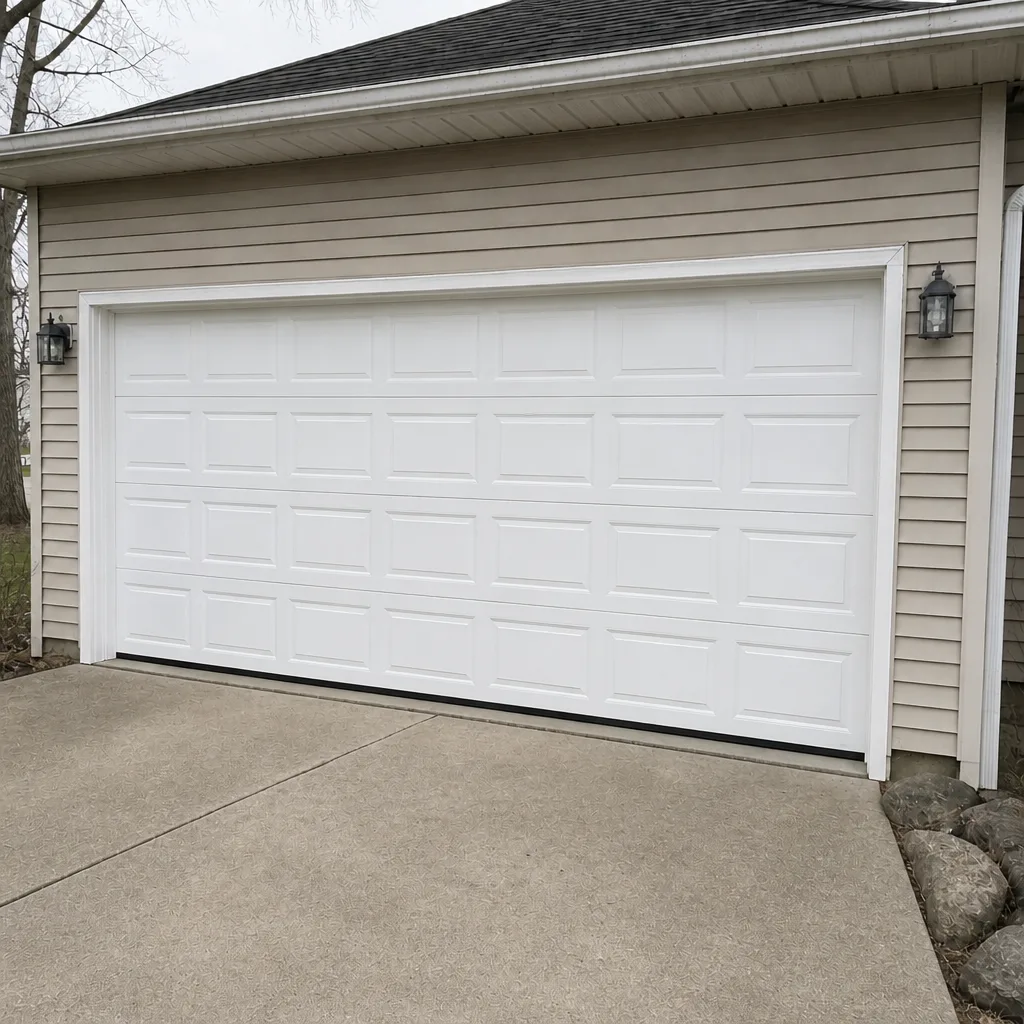
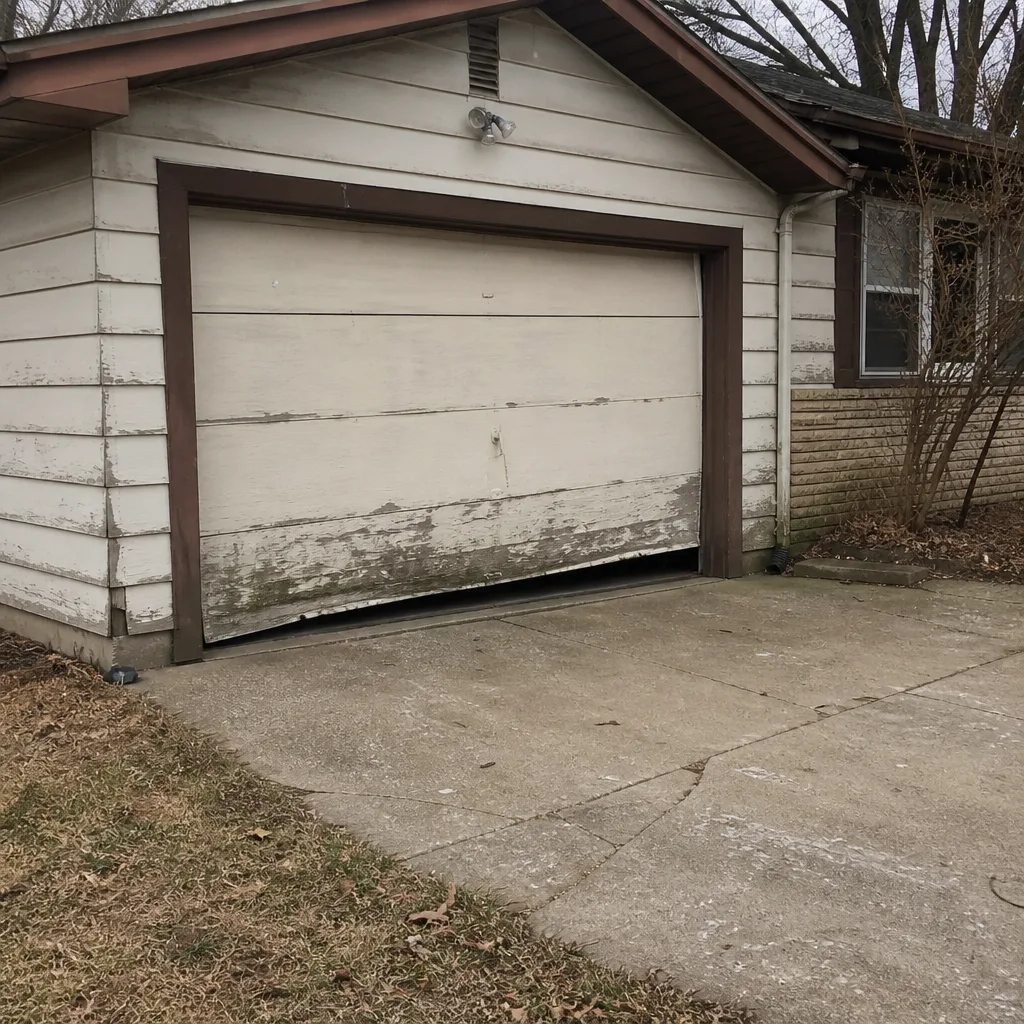
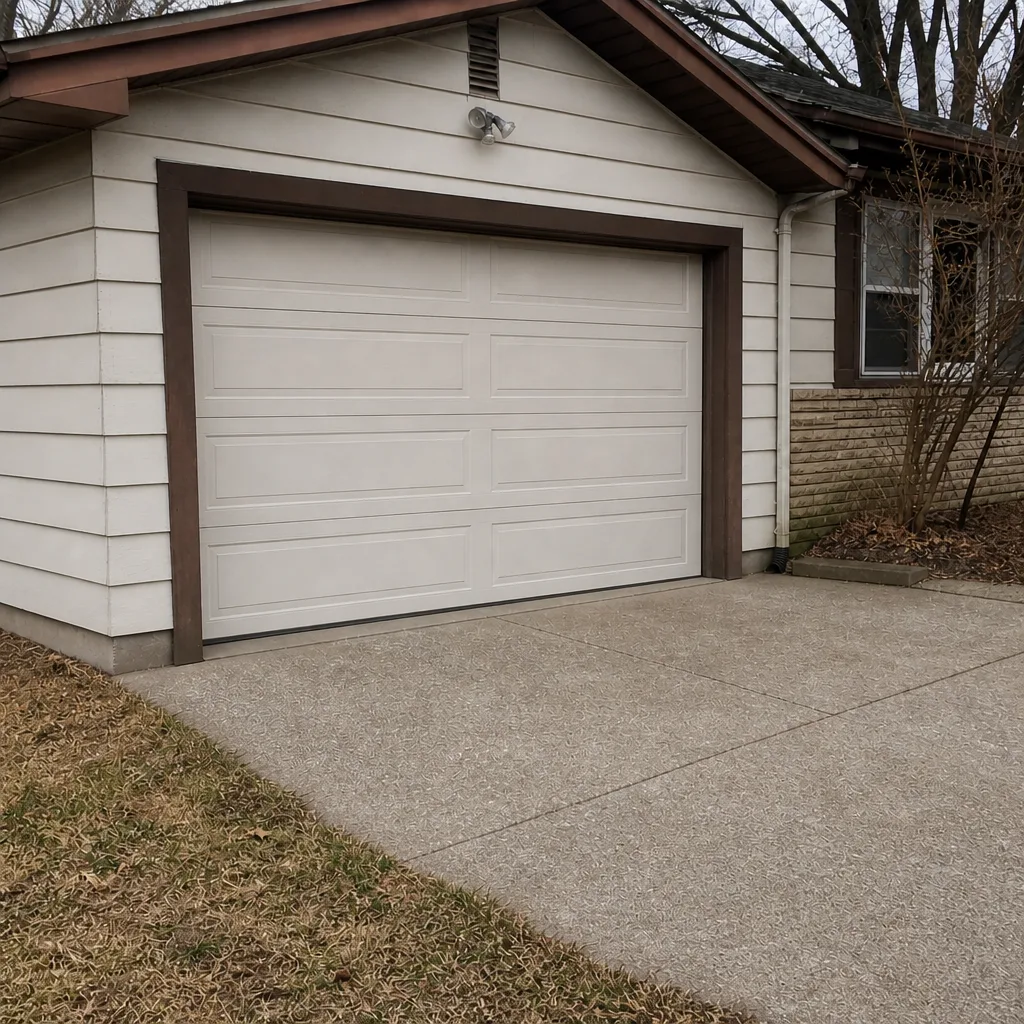
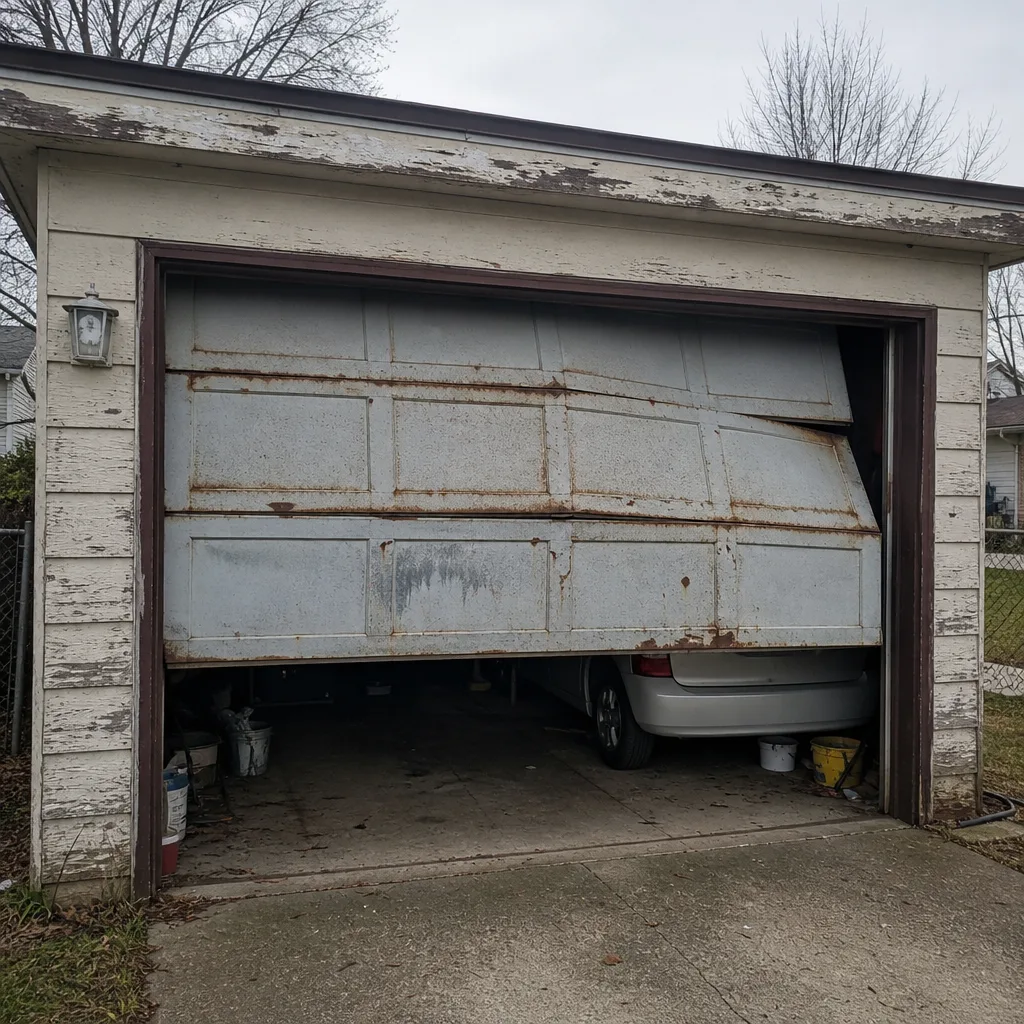
See the difference
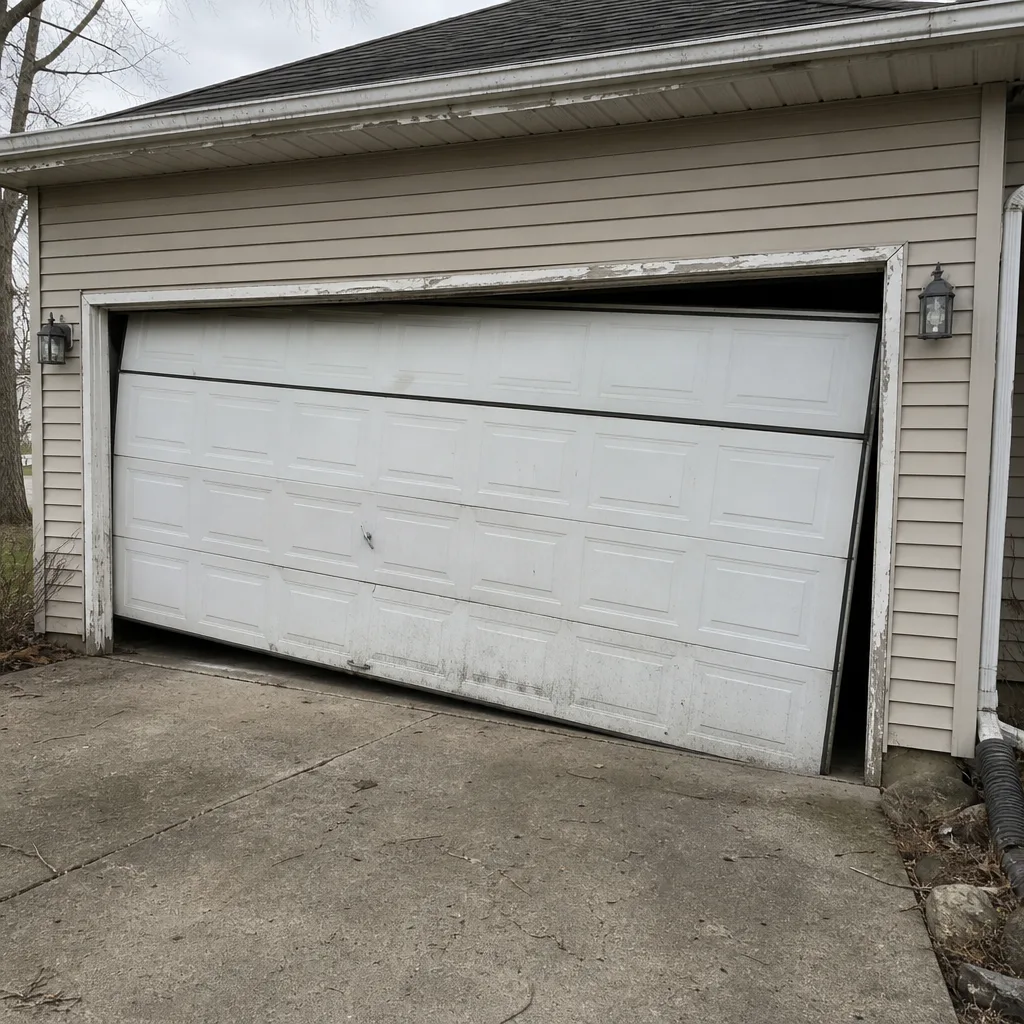 Before
 After
 Before
 After
 Before
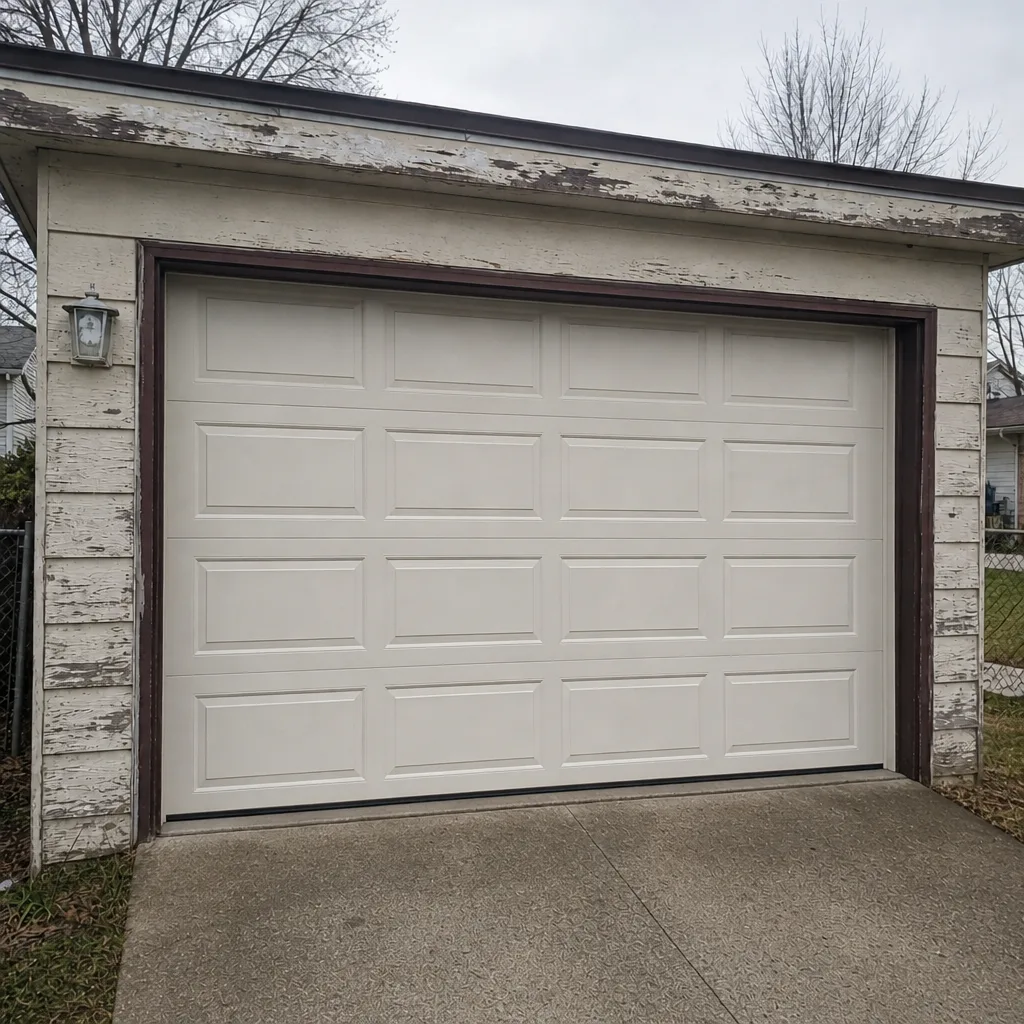 After
When to Call a Professional
Call a specialist when a spring has snapped, a cable has broken or is fraying visibly, the door comes off its tracks, or the opener has stopped responding to remote and wall controls. Also call when a door binds on one side after thaw, when it won’t balance after a temperature swing, or when a wood panel begins to swell and track the door. These are the cases where a general handyman may be underqualified. Garage doors are all we do, so the technician who arrives already knows the failure modes of your door’s brand and system. DeKalb Garage Door Repair Pros offers free estimates in DeKalb – call (866) 566-1663. Same-day and emergency appointments are available for time-sensitive failures.
Frequently Asked Questions
Four times a year, once for each of DeKalb’s distinct failure windows. Winter prep focuses on lubricant and the bottom seal, spring on frost-heave frame shift, summer on wood swelling and sensor debris, and fall on cable wear and balance. One annual tune-up misses most of these windows and lets small problems compound. Call (866) 566-1663 for a free estimate on a seasonal appointment.
A cold-rated or synthetic lubricant rated for low-temperature service, not standard white lithium grease. At -10°F lithium grease thickens and drags, adding load to the opener and springs. Apply it to hinges, rollers, and the torsion tube, and leave the tracks clean and dry. A technician can advise on the right product for your door; call for a free estimate.
No. A broken torsion spring means the door is unbalanced and dangerous to operate, and an opener that tries to lift it can be damaged. With temperatures dropping, an open, unbalanced door is also a security and weather problem. Call (866) 566-1663 for same-day and emergency appointments on spring repair.
Wood panels absorb moisture and swell slightly unevenly, pressing against the track or frame and causing binding. Older wood doors swell most; modern doors from Clopay or Amarr handle humidity better. A summer check of tracks, rollers, and alignment solves most cases. Call for a free estimate if the door binds through the season.
Test the balance by disconnecting the opener and lifting the door halfway by hand. It should stay where you leave it. If it drops or rises on its own, the spring tension needs a technician’s adjustment. Don’t adjust springs yourself. Call (866) 566-1663 to confirm a technician has checked the balance.
Yes, in practice. A seasonal tune-up usually runs a small fraction of a repair after a failure. Catching a worn cable or a shifted frame before the cold sets in almost always costs less than an emergency repair in January, and it protects the opener from damage. Call for a free estimate.
The Bottom Line
DeKalb’s climate doesn’t do one kind of damage to a garage door – it does four, and they hit in different seasons. Winter works on springs and seals, spring on the frame, summer on wood and sensors, and fall on cables. A single annual checkup can’t catch all of that. The practical answer is a four-season care calendar, done in the right season for the right failure mode. Most of the checks take minutes; the technical ones take a technician. Catching a $200 problem in October beats a $1,200 one in January. That’s the whole case for seasonal care.
If you’ve read this and you’re wondering which of these checks your door is due for, we can tell you. We’re DeKalb Garage Door Repair Pros, and garage doors are all we do. Our technicians have up to 12 years of experience and work on LiftMaster, Chamberlain, Genie, Clopay, Amarr, Wayne Dalton, Craftsman, and Raynor equipment. Call (866) 566-1663 for a free estimate, with same-day and emergency appointments available for time-sensitive failures.
Written by the team at DeKalb Garage Door Repair Pros.