Last updated November 22, 2026
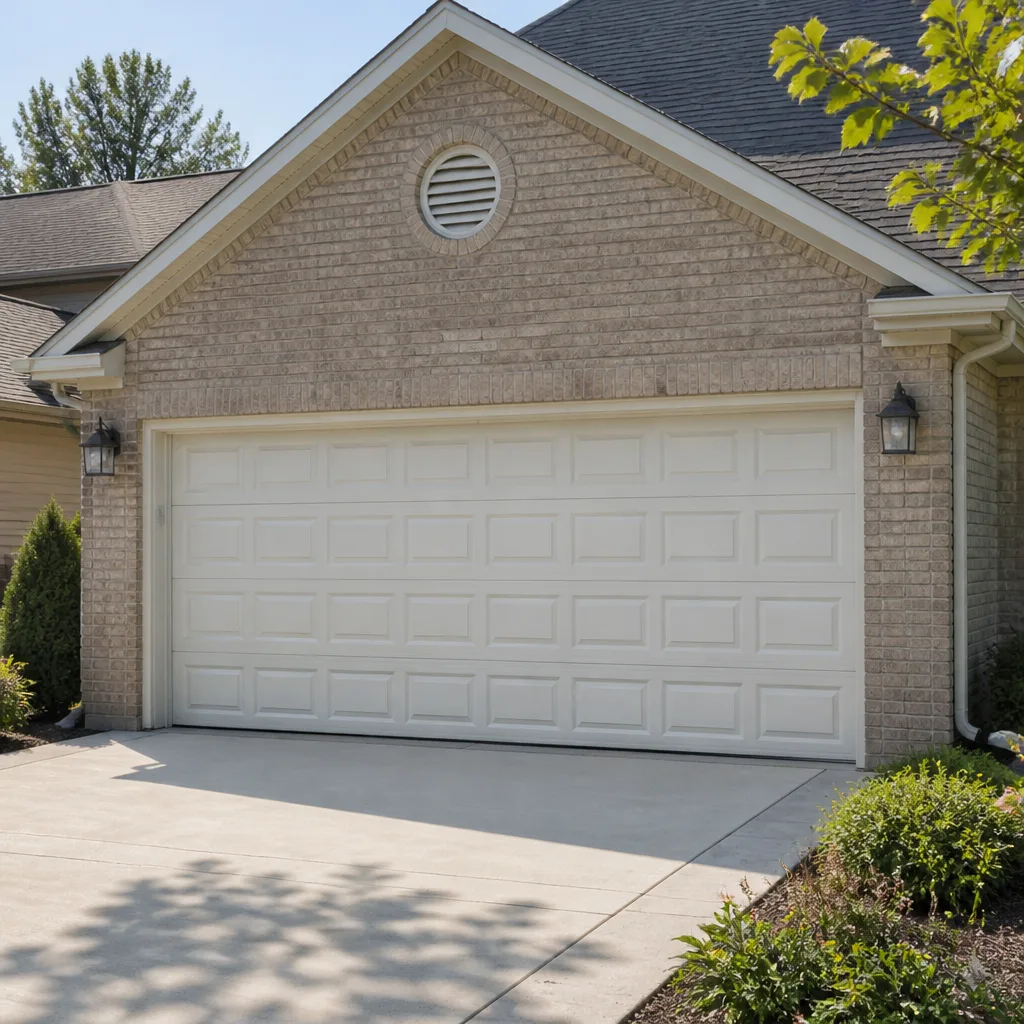 Raised-panel steel
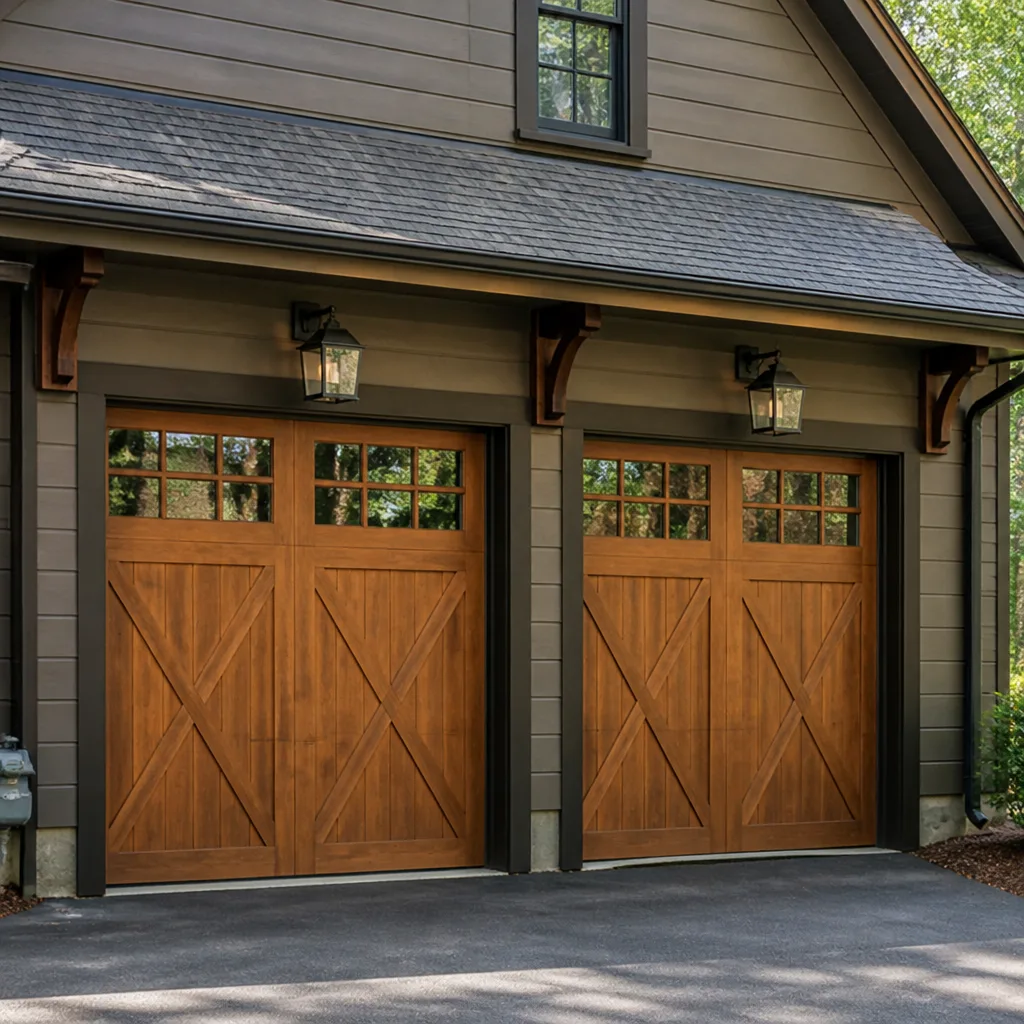 Carriage house
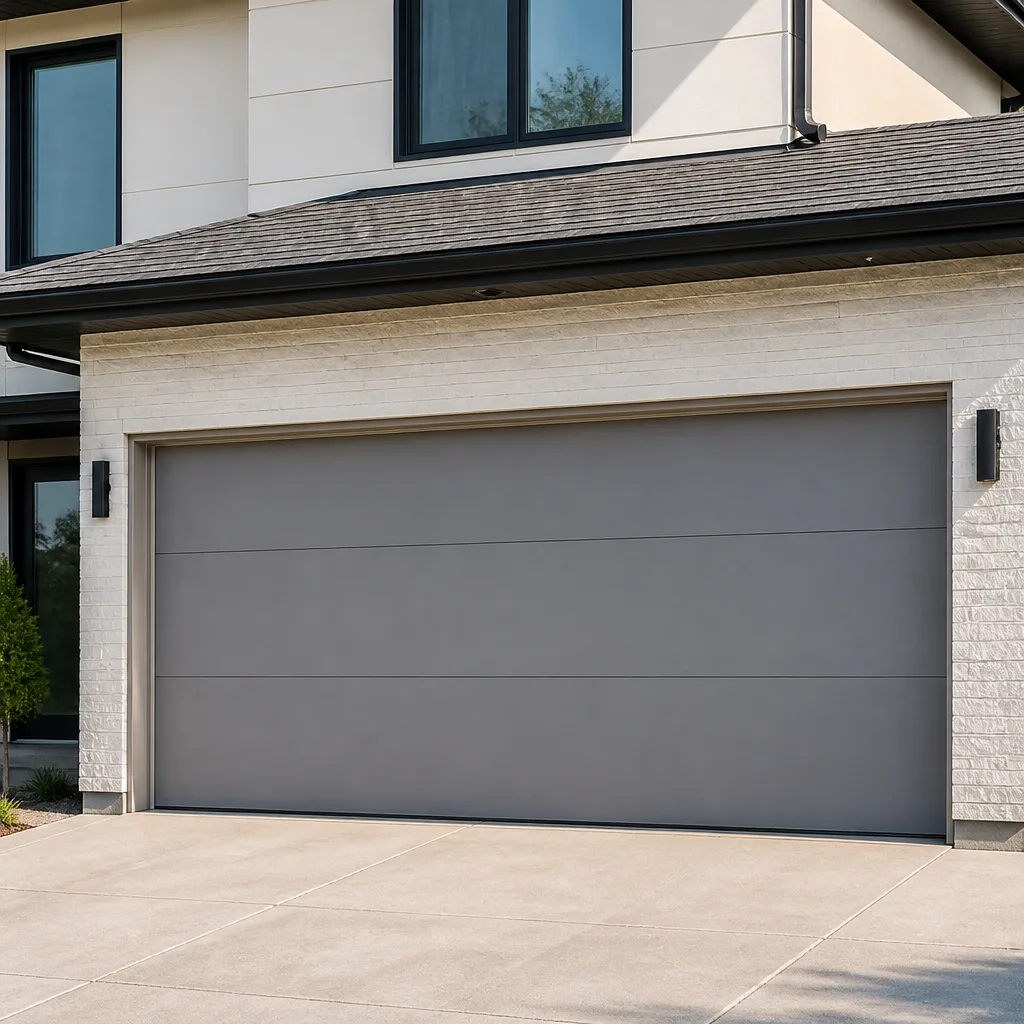 Modern flush
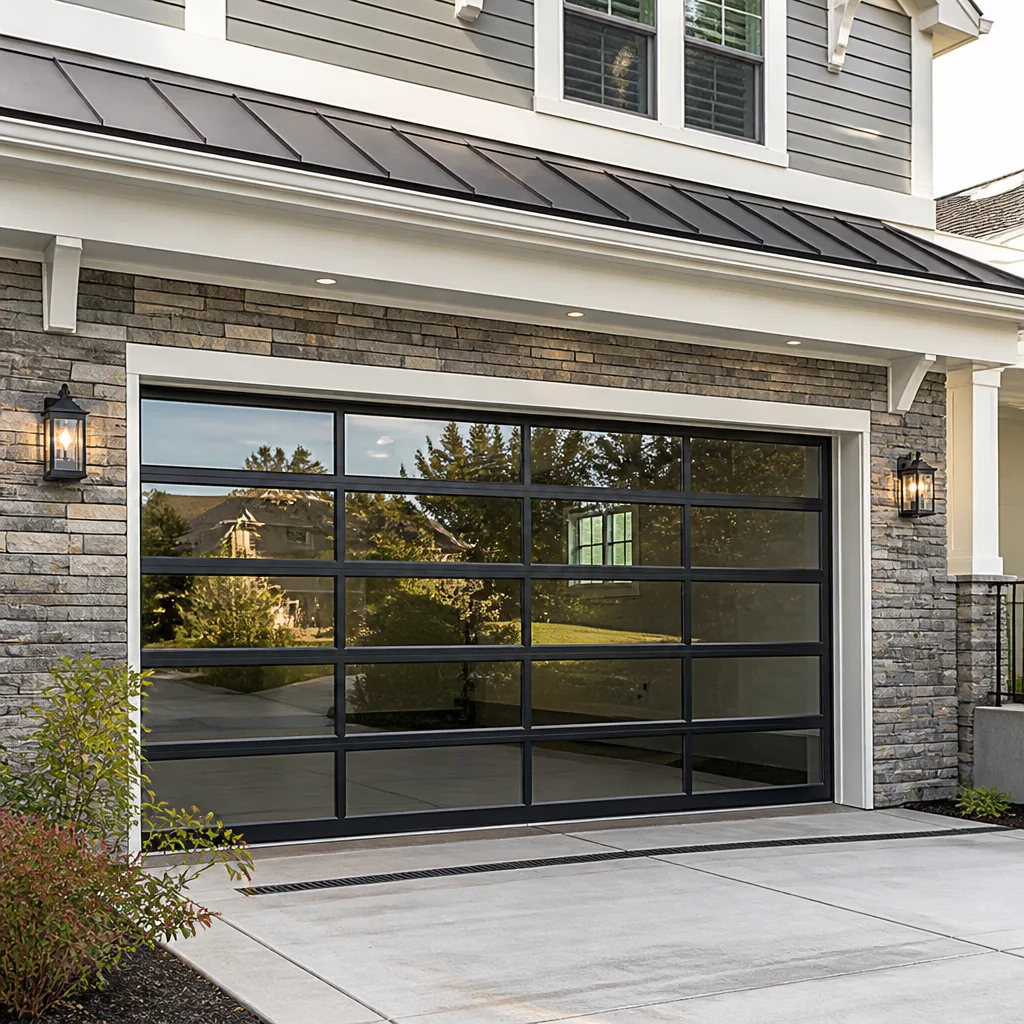 Full-view glass
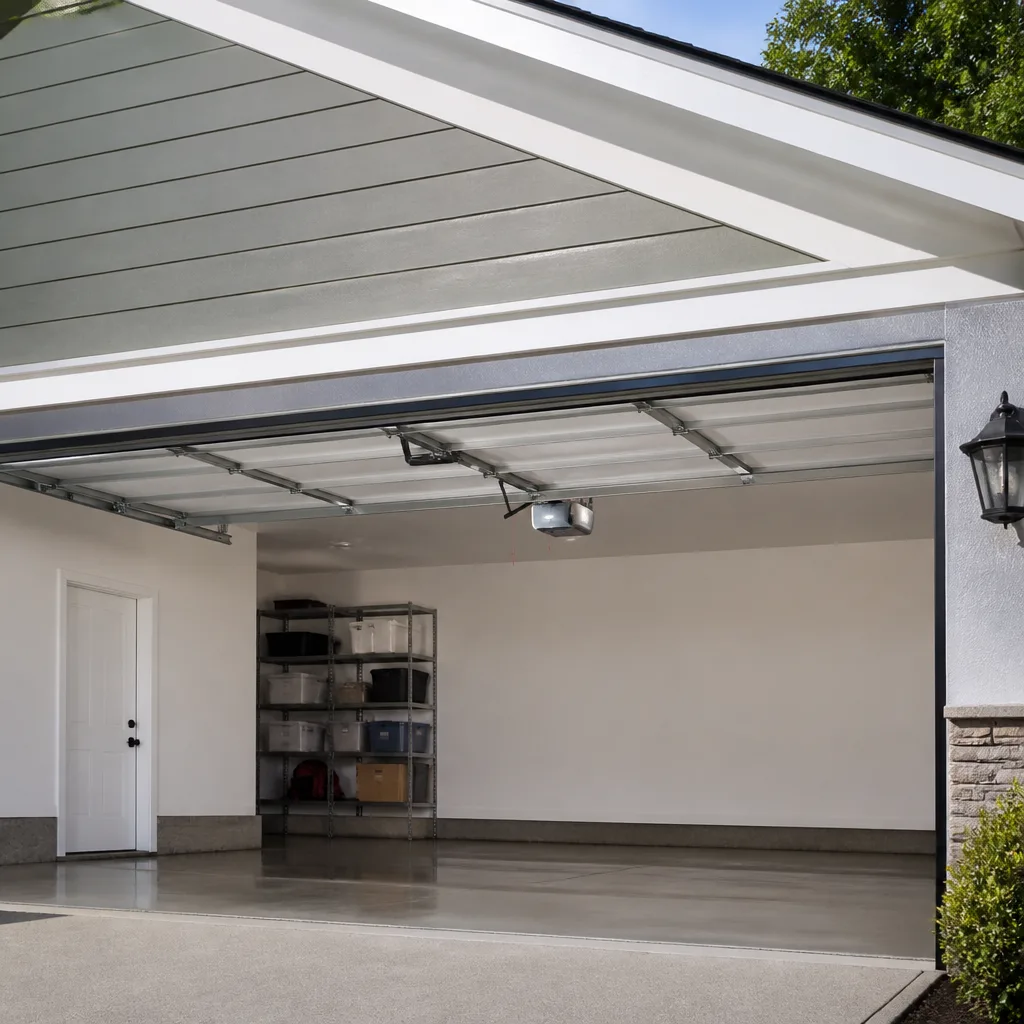 LiftMaster openers
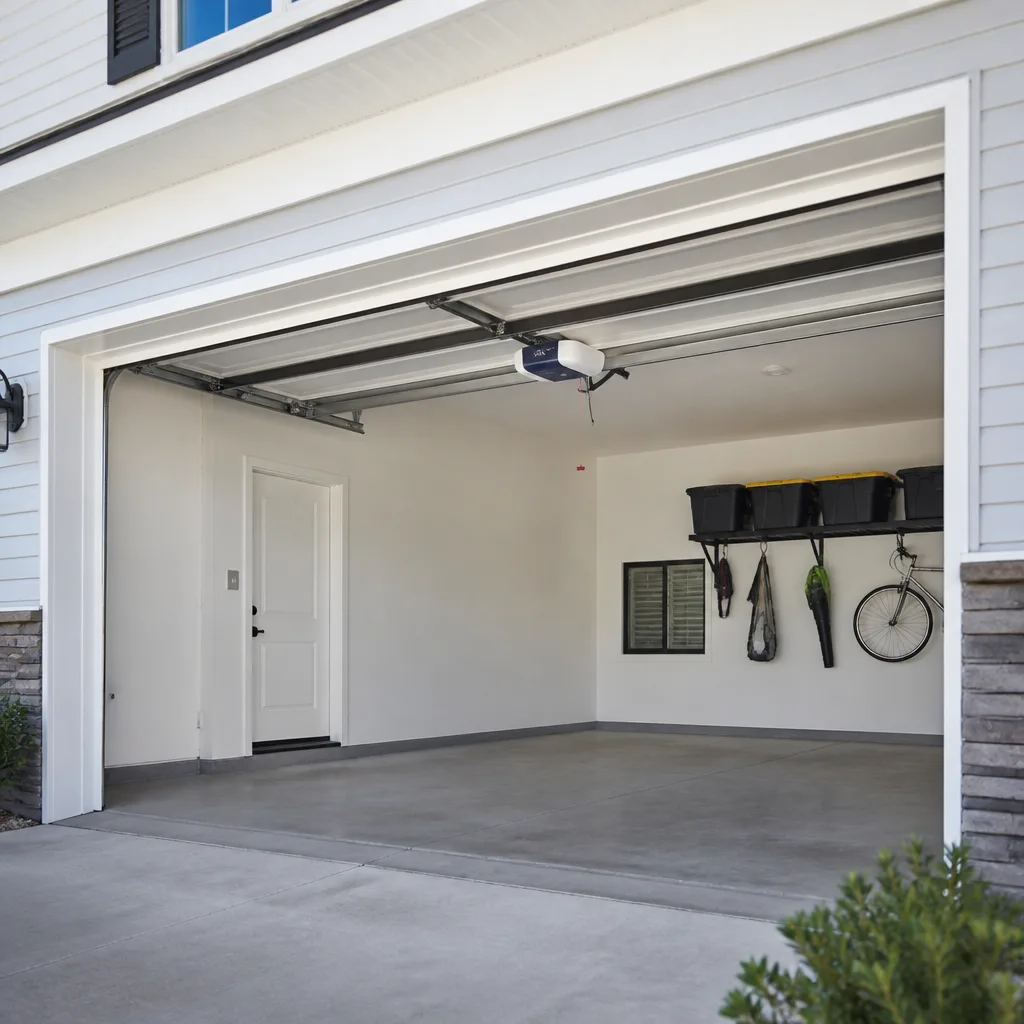 Chamberlain openers
Full 25-point door and opener safety check with every visit - springs, cables, rollers, tracks, and your LiftMaster or Chamberlain opener included
You get a price before we start. It does not change when the pro arrives.
Get your free estimateGarage Door Permits, Codes & Inspections in DeKalb, IL: What You Need to Know
Most homeowners assume a simple door swap needs no permit. In DeKalb, whether that’s true depends on scope, structural changes, and whether the work triggers a re-inspection of adjacent electrical. A garage door replacement that required no permit at installation can still flag on a home inspection if the opener was wired without a permit, and the work is usually discoverable when a buyer’s inspector opens the panel. This guide walks through exactly when DeKalb municipal code requires a permit for garage door work, how the International Residential Code (IRC) sections Illinois adopts apply to spring systems and fall-protection hardware, what a code-compliant installation inspection actually checks, and how unpermitted work surfaces in DeKalb County real estate transactions.
Quick Answer
A like-for-like garage door replacement in DeKalb usually does not require a permit, but structural changes to the header or opening, new electrical work for an opener, and any alteration to the framing around the opening typically do. Illinois adopts the International Residential Code, which governs spring systems, fall-protection hardware, and the electrical connections feeding your opener. When in doubt, call the City of DeKalb building department before work starts; a five-minute call is cheaper than a flagged inspection later.
Styles & brands we work with
- Raised-panel steel
- Carriage house
- Modern flush
- Full-view glass
- LiftMaster openers
- Chamberlain openers
Table of Contents
- When Does DeKalb Require a Permit for Garage Door Work?
- How the IRC Applies to Springs and Fall-Protection Hardware
- What a Code-Compliant Installation Inspection Actually Checks
- How Unpermitted Work Surfaces in a DeKalb County Sale
- Pulling the Permit Yourself vs. Using a Licensed Contractor
- Openers, Electrical Wiring, and the Permit Trap
- DeKalb Climate, Housing Stock, and Why Doors Fail Early
- Common Mistakes to Avoid
When Does DeKalb Require a Permit for Garage Door Work?
The dividing line is scope, not the door itself. Swapping a Clopay or Amarr door for the same size in the same opening, using the same track and hardware points, is generally treated as a repair, not construction. That kind of work rarely needs a permit. The moment the scope changes, the permit question changes with it.
Here’s how to sort the work into two buckets:
Usually no permit required
- Replacing a door in an existing, unmodified opening with the same dimensions
- Replacing springs, cables, rollers, hinges, or the bottom seal (these are maintenance items, not construction)
- Swapping an opener for another opener on the same existing wiring and outlet
- Adjusting track alignment or replacing a bent section of track that mounts to the existing framing
Permit typically required
- Changing the rough opening size or cutting into the header above the door
- Adding a new structural header or altering an existing one
- Adding a new electrical circuit or outlet for the opener (this is an electrical permit, separate from the building permit)
- Converting a non-opening carport bay into a working garage door opening
- Any change to the framing around the opening, including new king studs or a widened opening
There’s a nuance that trips homeowners up in DeKalb: the door and the opener are often handled separately. The door swap may be a no-permit repair, while the opener’s new outlet is a permitted electrical job. Illinois treats these as two separate code scopes, so a contractor who handles both sides of the work needs to know which piece triggers which permit. Call the City of DeKalb building department before any structural or electrical work starts and describe exactly what’s changing. They’ll tell you in one conversation whether you need a permit.
If the work is a straightforward garage door repair on an existing, unaltered opening, the permit question usually doesn’t apply. If you’re replacing the whole door with framing changes, it does.
How the IRC Applies to Springs and Fall-Protection Hardware
Illinois adopts the International Residential Code, which governs residential construction including garage doors. The IRC chapters that matter for a garage door involve the structural integrity of the opening, the door’s anchorage to the framing, and the safety hardware that keeps the door from free-falling if a spring or cable fails. The IRC also ties into the electrical code for anything feeding the opener.
Here’s what the IRC cares about on a residential garage door:
- Anchorage and header integrity. The door must be attached to framing that can carry the load. The header above the opening must be sized and secured per the IRC’s structural tables. When work touches the header, the permit process verifies this.
- Emergency egress. If the garage is attached to the house, the door between the garage and the living space has specific requirements, and the garage-to-outside path must have a safe exit that doesn’t rely on the garage door. The IRC handles this; the garage door itself is not usually the egress path.
- Spring systems. Torsion and extension springs must be designed for the door’s weight, and the door must be balanced so the opener isn’t carrying that weight. A balanced door follows the IRC’s performance expectations for safe operation. An unbalanced door stresses the opener and the springs and is one of the foreseeable failure modes inspections look for.
- Fall-protection hardware. Extension spring systems typically require a safety cable running through the spring so a broken spring can’t whip loose. Torsion springs have their own safety collar and mounting requirements. The inspection verifies these are present and correctly installed.
- Reversal and entrapment protection. The opener must have a working reversal mechanism and, depending on the door’s age and location, a photoelectric safety sensor. This falls under the automatic garage door operator safety requirements.
What does that mean practically? The springs and cables on a garage door are the most dangerous components in the system. A torsion spring under load can cause serious injury if it releases unexpectedly. We handle spring work on every door we touch, and we recommend that homeowners never attempt a spring or cable repair themselves. The stored energy in these springs is lethal, and the correct tools and procedures aren’t available at a hardware store. If your springs are broken, that’s a job for a trained professional, not a weekend project. Our garage door spring repair service is built around that safety reality.
What a Code-Compliant Installation Inspection Actually Checks
A code-compliant garage door installation inspection is not a cosmetic review. It’s a checklist that verifies structural attachment, electrical connection, and safety hardware. Knowing what an inspector looks at tells you exactly what a well-done installation includes, and it tells you what a permit would catch if the work was done poorly.
The inspection typically covers:
- Framing and header attachment. The installer confirms the door and track are anchored to sound framing, and that the header above the opening is adequate. If the work altered the opening, the inspector verifies the header meets the approved plan.
- Door balance. A balanced door stays where you leave it. The inspector (and the installer) checks that the door is balanced and that the springs are matched to the door’s weight, not sized by guesswork.
- Spring and cable safety hardware. Safety cables through extension springs, mounting brackets, and the torsion system’s retention hardware are all reviewed. Missing or improperly installed hardware is a fail.
- Track alignment and hardware torque. The tracks should be level, parallel, and secured. Hinges, rollers, and brackets should be tight. A loose bracket is not just noise; it can cause a door to bind and fail.
- Opener electrical and entrapment protection. If the opener is new or newly wired, the electrical inspector confirms the circuit and outlet meet code. The door’s reversal mechanism and photoelectric sensors get tested. The sensors must be located at the correct height and connected so the door reverses when the beam is broken.
- Clearance and clearance signage. The door should clear the tracks completely through its full travel, and any required warning labels should be in place.
In our experience, most inspection failures in DeKalb come down to two things: missing safety cables on extension springs and electrical work done without a permit for the opener. Both are fixable, but both are the kind of thing a home inspector will flag years later when a buyer’s inspection report lands on the closing table.
How Unpermitted Work Surfaces in a DeKalb County Sale
Unpermitted work tends to surface at the worst possible time: during a real estate transaction. A home inspector opens the electrical panel and finds an outlet that wasn’t permitted. They look at the garage door opener wiring, note the gauge or the junction, and flag it. They check the framing around the opening and see evidence of a header change without an inspection record. None of this stops a sale dead, but each flagged item becomes a negotiation point, and each negotiation point costs the seller time and leverage.
In DeKalb County, the remediation process generally looks like this:
- Identify the unpermitted work. The buyer’s inspector or the town’s code officer documents what was done without a permit. In a sale, this usually means electrical work on the opener, structural changes to the header, or a door installed without inspection when one was required.
- Contact the City of DeKalb building department. The seller (or their agent) files for a permit after the fact. Some cities call this a “permit as-built” or a “post-construction permit.” The process requires describing what was already done and paying the appropriate fee.
- Open the walls or expose the work. The inspector may require the work to be exposed so it can be verified. For opener wiring, that might mean a small access panel; for header work, it might mean drywall removal.
- Correct deficiencies. If the inspector finds the work doesn’t meet code, it must be corrected before the permit closes. That’s the moment a quick repair turns into a bigger scope than the original job.
- Close the permit. Once the inspector signs off, the record is clean and the sale can proceed without the flag hanging over the transaction.
We’ve seen this scenario in older DeKalb neighborhoods where doors and openers were replaced over the years without the permit question being asked. The fix is usually not catastrophic, but it costs time and money at the exact moment when neither is available. The cheaper path is to get the permit right the first time.
Pulling the Permit Yourself vs. Using a Licensed Contractor
Illinois allows homeowners to pull permits for work on their own primary residence in many cases, but the rules vary by municipality and by scope. In DeKalb, whether you can pull your own garage door permit depends on what the work involves and whether the city requires a licensed contractor for the electrical portion. A straightforward door replacement that requires no permit is moot. Structural or electrical work brings the permit question into play, and the electrical piece usually requires a licensed electrician under Illinois law.
Here’s the practical comparison:
Pulling the permit yourself
- You deal directly with the City of DeKalb building department.
- You’re responsible for understanding what the inspector will check and for the work meeting those requirements.
- You’re on the hook if the inspection fails; the correction is yours to arrange.
- In a later sale, the permit record will show you pulled it, which is fine as long as the work was inspected and closed.
- Electrical work on the opener generally requires a licensed electrician, so you may still need to hire for that scope.
Using a licensed contractor
- The contractor pulls the permit and schedules the inspection.
- The contractor is responsible for the work meeting code and for handling corrections if the inspection fails.
- You get a documented, closed permit record, which is the cleanest outcome for a future sale.
- The permit fee is usually included in the contractor’s estimate (ask before the work starts).
- You don’t have to learn the IRC or argue with an inspector.
For a like-for-like door replacement with no framing or electrical changes, the permit question usually doesn’t apply, and a DeKalb homeowner can handle the scheduling and the work with a qualified installer. For anything that touches the header, the framing, or the opener’s electrical circuit, using a licensed contractor to pull the permit is the safer path. It also means one party owns the outcome if the inspection turns up an issue. We can work with your insurer and with the city on permitted scopes where the work requires it; a written estimate will spell out whether the permit is part of the job before anything starts.
Openers, Electrical Wiring, and the Permit Trap
Openers are the most common source of unpermitted work in DeKalb garages. The typical scenario is an opener replaced or upgraded without a permit for any new outlet or circuit. The opener itself is often a no-permit swap if it uses the existing outlet and wiring. The trap is when the installer adds a new outlet or runs a new circuit, which is electrical work and falls under a separate permit and a licensed electrician.
Why does this matter? An opener that’s wired into a new circuit without a permit doesn’t get the electrical inspection that confirms the circuit is properly sized, grounded, and protected. A home inspector will often spot the tell: an outlet that doesn’t match the rest of the garage, a junction box without a cover, or wiring that’s not protected in conduit. That’s the flag. And the flag is what turns into a negotiation in a sale.
Our technicians work on LiftMaster, Chamberlain, Genie, and Craftsman openers and are familiar with the wiring conventions each brand uses. When we install or repair an opener, we look at how it’s fed, not just whether it runs. If the opener needs a new circuit, we’ll tell you what needs to happen and whether it requires an electrician and a permit. That’s part of a garage door opener repair conversation, not an upsell. Diagnose first, replace only when necessary.
If your opener was installed by a previous homeowner and you’ve never looked at the wiring, it’s worth having a technician take a quick look. If the panel or the circuit looks questionable, that’s a licensed-electrician scope and a permit question, and it should be handled before it becomes a buyer’s inspection report.
DeKalb Climate, Housing Stock, and Why Doors Fail Early
DeKalb’s climate is hard on garage doors. The freeze-thaw cycle that runs from late fall through early spring cycles the door’s springs, cables, and rollers hundreds of times a year. Cold shrinks the metal and stiffens the lubrication. Heat expands it and softens the seals. Add the wind and snow load that come with a northern Illinois winter, and the springs and opener on a typical DeKalb door get more stress than the same door in a milder climate would see.
The local housing stock adds to the picture. Many DeKalb garages were built decades ago, and a fair number of them have doors and openers that were replaced over the years without much thought to the permit question. Older doors may have extension springs without safety cables, or openers without photoelectric sensors. Those are exactly the components a code inspection looks for, and exactly the components that tend to fail first.
The neighborhoods around the Northern Illinois University campus, the established blocks in the central part of the city, and the newer subdivisions on the edges of DeKalb all carry different garage door realities. Older central homes often have single-car garages with extension spring systems; newer edges of town more often have two-car garages with torsion springs and modern openers. Your inspection and repair needs depend on which generation of hardware you’ve got, and the permit question is different for a 1950s door than it is for a 2010s door.
None of this means you should pre-emptively pull a permit. It means you should know what you have. A door that’s balanced, with safety cables and a working reversal, is in good shape regardless of age. A door that’s missing those components is a candidate for a repair, and the repair may or may not need a permit depending on what’s changing.
Common Mistakes to Avoid
- Assuming “no permit needed” without calling the city. The scope determines the permit, not the door. A quick call to the City of DeKalb building department costs nothing and can save a real estate headache years later.
- Wiring a new opener outlet without a permit. Adding a new outlet or circuit is electrical work and needs its own permit and a licensed electrician. It’s the single most common unpermitted garage door project we see in DeKalb.
- Changing the header without inspecting the framing. A structural change to the opening above the door requires a permit and an inspection. Skipping both leaves a question in the record that a buyer’s inspector will find.
- Replacing a door with one the springs can’t carry. A heavier Clopay, Amarr, or Wayne Dalton door can overwhelm springs sized for the old door. Balance and spring sizing are code concerns, not just performance.
- Leaving extension springs without safety cables. Older DeKalb doors often have extension springs with no safety cables. That’s a foreseeable failure mode, and the fix is a code-aware repair.
- Doing a DIY spring or cable repair. Springs store enough energy to cause serious injury. This is not a homeowner job, and no permit makes it safe to try.
- Skipping the permit record in a sale. A closed permit is a clean record. An open question is a negotiation point. Pull the permit when it applies so the buyer’s inspection doesn’t have to ask the question.
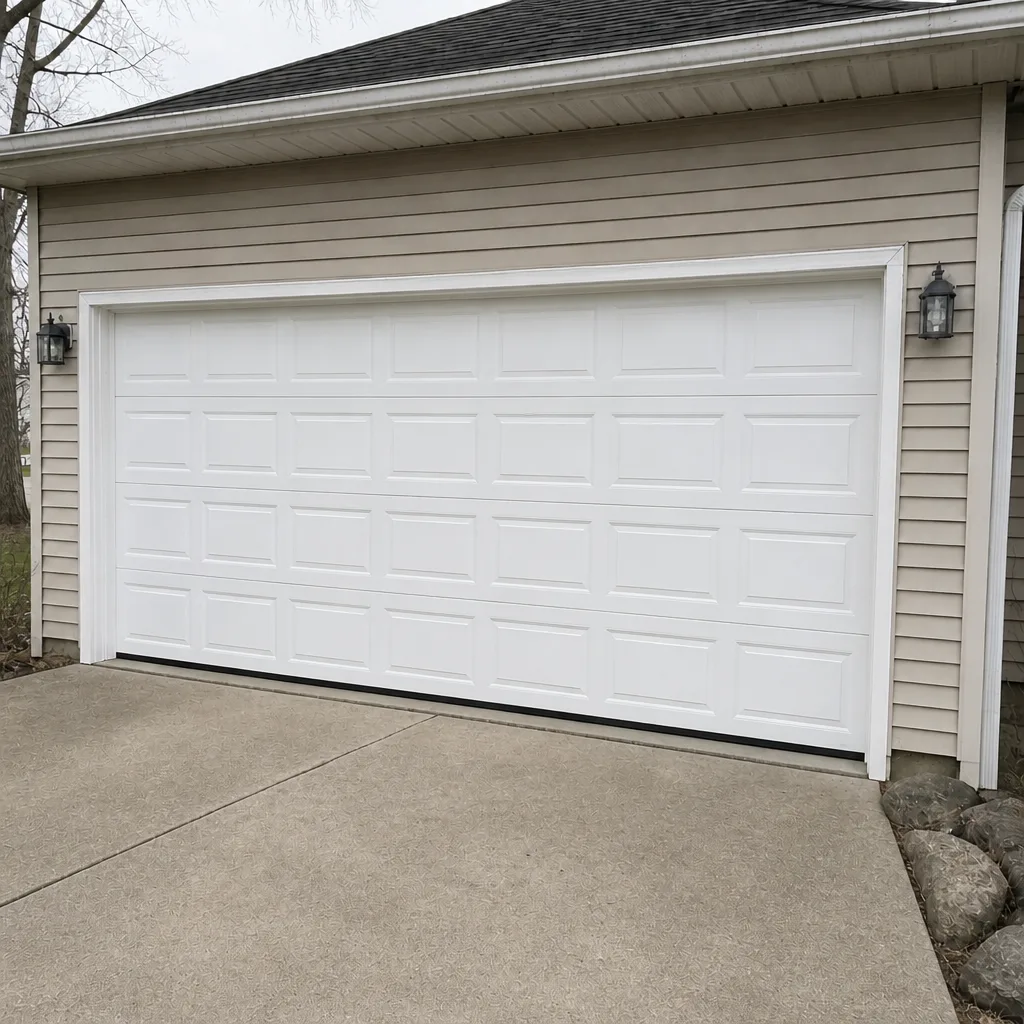
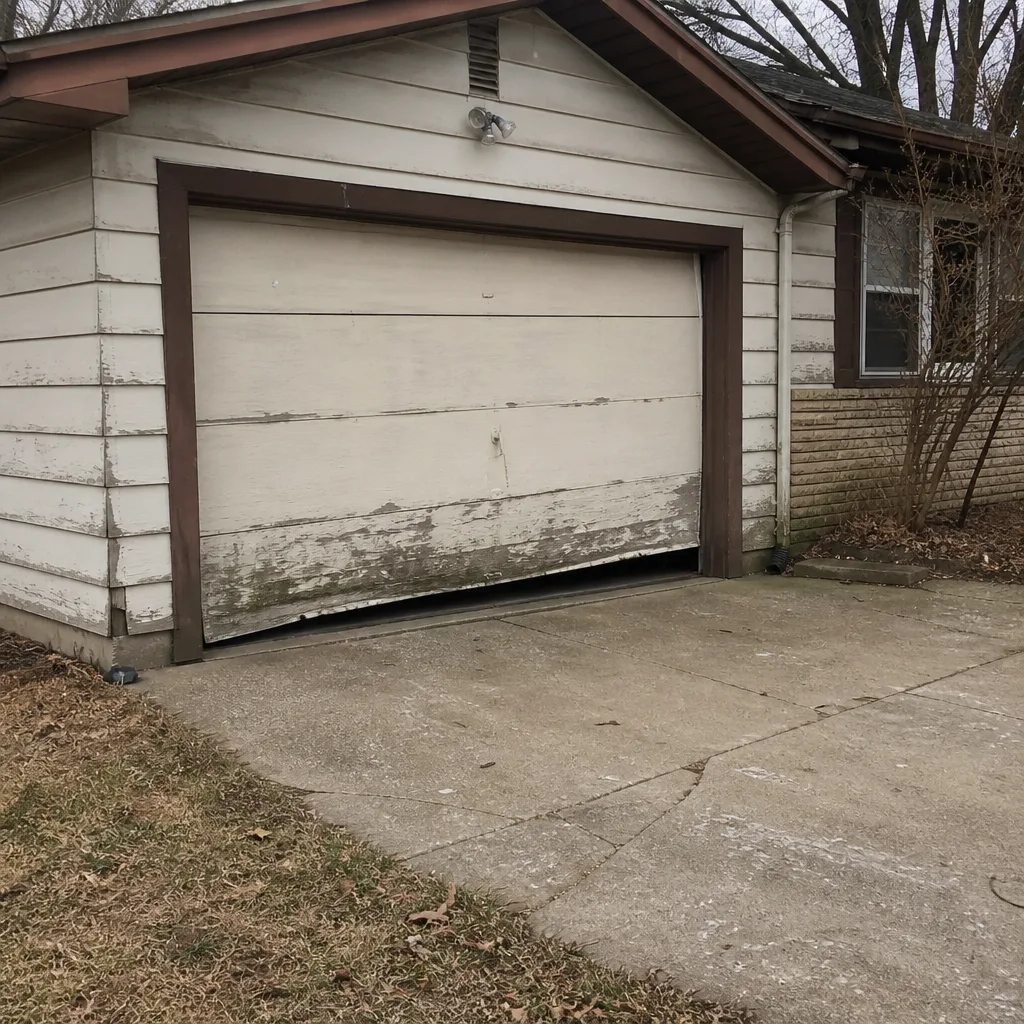
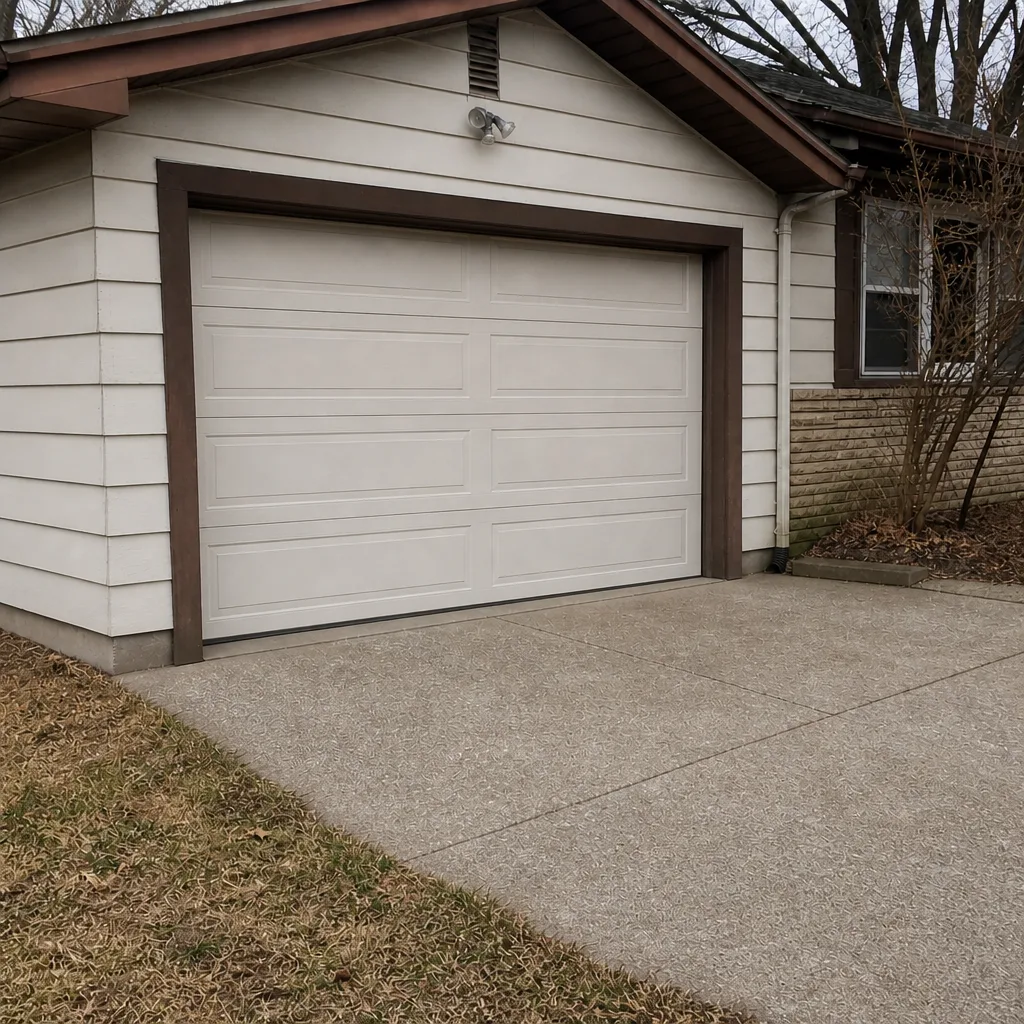
See the difference
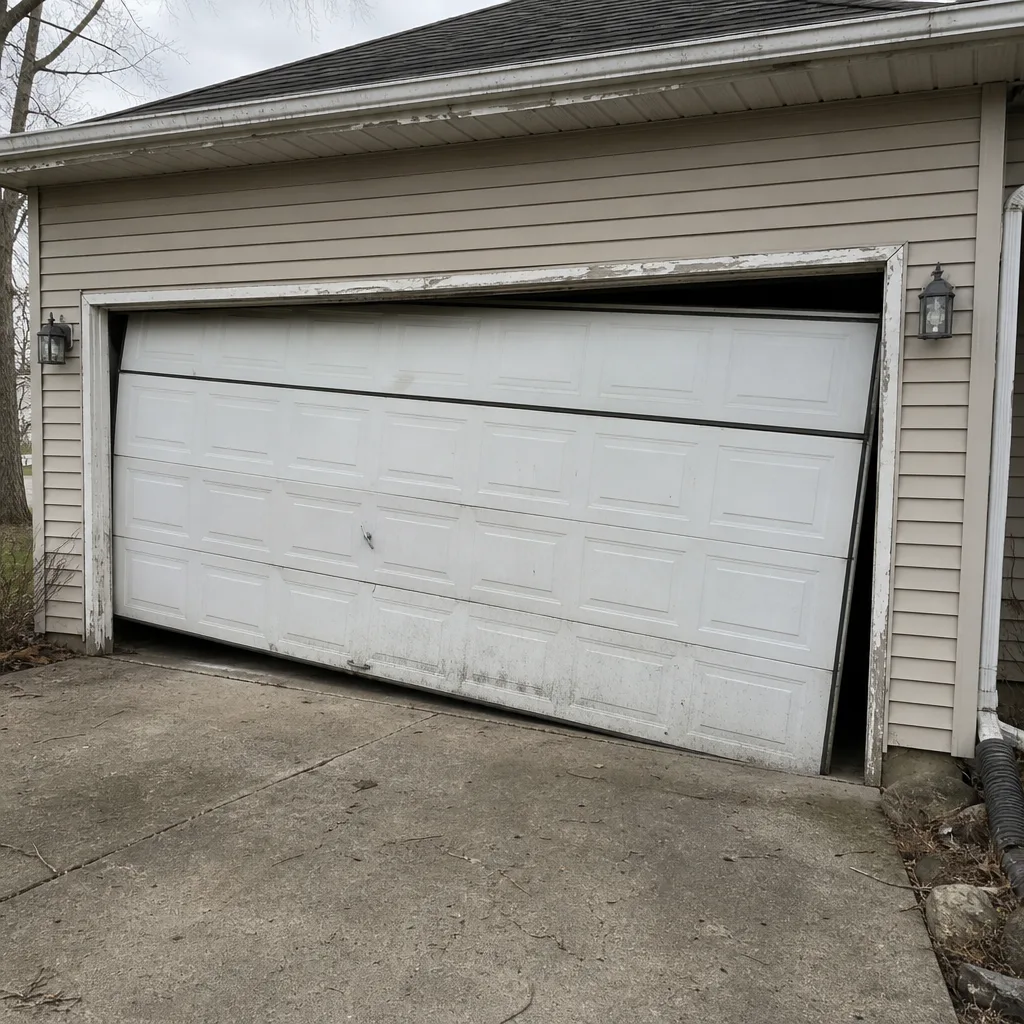 Before
 After
 Before
 After
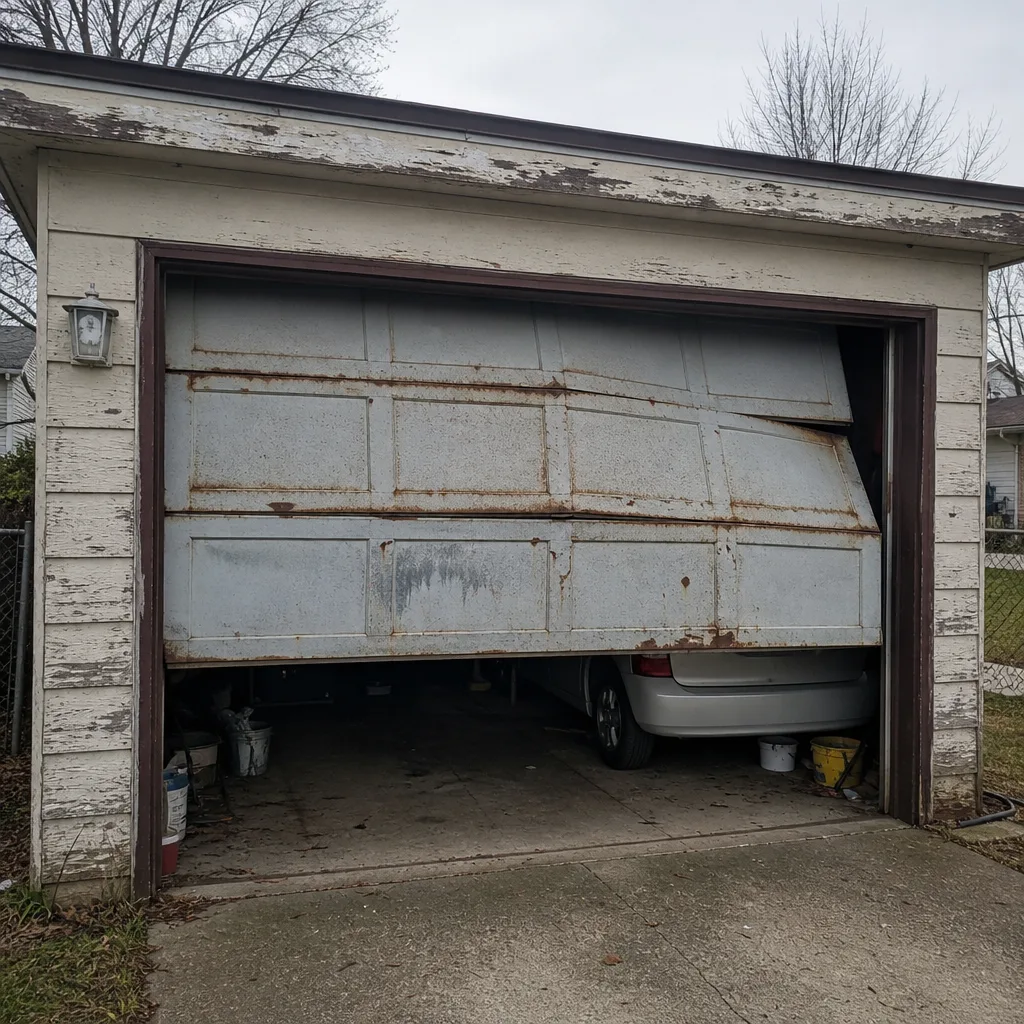 Before
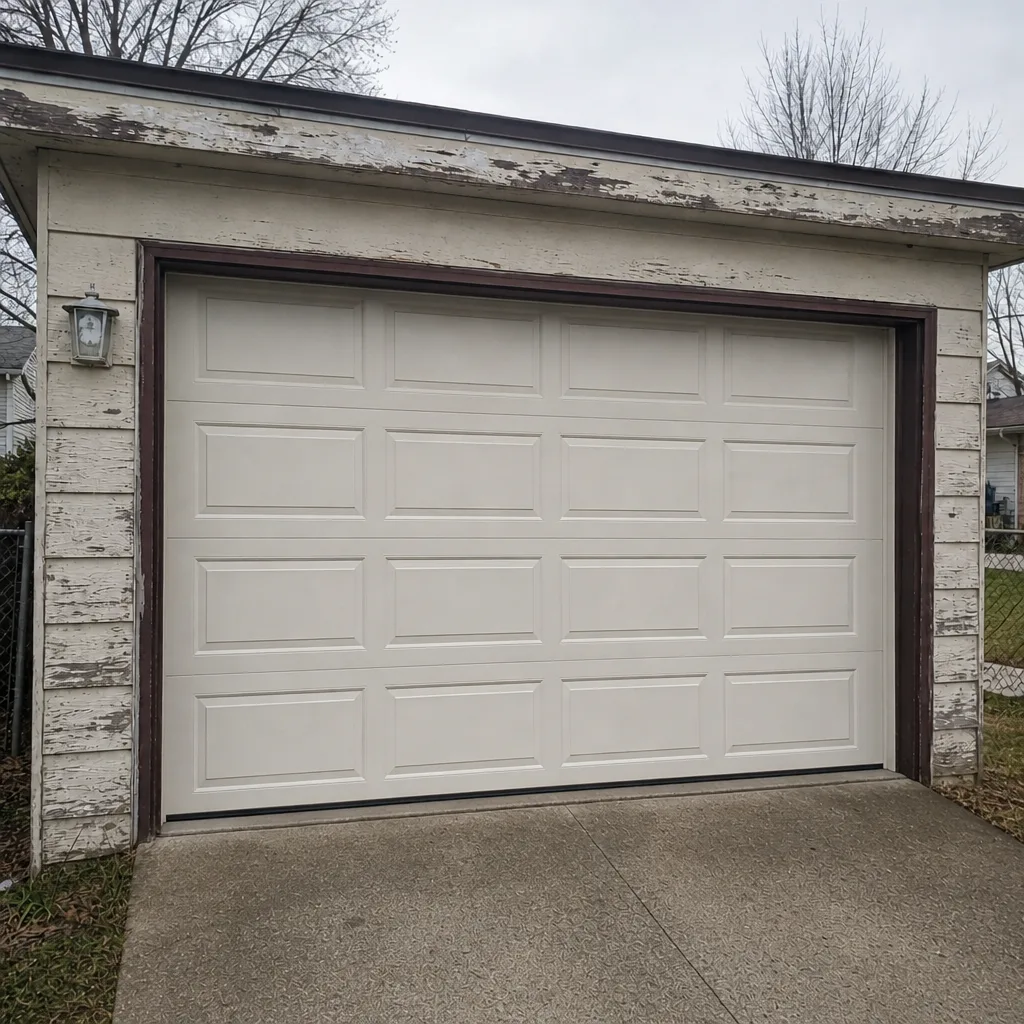 After
When to Call a Professional
Call a professional the moment your spring breaks, your door is stuck, or your opener stops responding. Call us before you start a spring or cable repair yourself, because those components can cause serious injury and there’s no safe DIY path. Call us if you’re planning a door replacement and you’re not sure whether the framing or opener wiring triggers a permit; we’ll tell you what the scope is and what the City of DeKalb will want to see. And call us if you’re buying or selling a DeKalb home with a garage door that has an unclear history. DeKalb Garage Door Repair Pros offers free estimates in DeKalb, and we can work through the permit and inspection questions with you before anything gets signed. Call (866) 566-1663 to get the conversation started.
Frequently Asked Questions
Usually not, if you’re replacing it with the same size in the same opening using the existing framing and wiring. A like-for-like door replacement is typically treated as a repair. You do need a permit if the work changes the opening size, alters the header or framing, or adds new electrical for the opener. Call the City of DeKalb building department before work starts to confirm which category your job falls into.
Swapping an opener for another opener on the existing outlet and wiring usually does not require a permit. Adding a new outlet or a new electrical circuit for the opener does, because that’s electrical work and requires a licensed electrician and the appropriate permit. If the opener needs new wiring, ask the installer which permit applies before the work begins. Call (866) 566-1663 if you’re not sure which category your job is in; estimates are free.
It can slow it down and cost the seller leverage, but it rarely stops a sale outright. A buyer’s inspector will often flag unpermitted electrical work on the opener or an uninspected header change. The fix is usually to file for a permit after the fact, expose the work for inspection, correct any deficiencies, and close the permit. Getting the permit right the first time is cheaper than resolving it during a sale.
Illinois adopts the IRC, which requires garage door spring systems to be matched to the door’s weight and to include the safety hardware appropriate to the spring type. Extension springs typically require a safety cable; torsion systems require retention hardware. The IRC also ties into the electrical code for opener wiring and the reversal and entrapment protection requirements. Your installer and, where a permit applies, the inspector verify these.
Illinois allows homeowners to pull permits for many types of work on their primary residence, but the rules vary by municipality and scope. Electrical work on the opener generally requires a licensed electrician, so you may not be able to pull the electrical permit yourself. For anything touching the header or framing, having a licensed contractor pull the permit is the safer path because they own the outcome if the inspection finds a problem. Confirm the specific rule with the City of DeKalb building department before you file.
The freeze-thaw cycle here cycles springs, cables, and rollers hundreds of times a year, and northern Illinois winters add wind and snow load that stress the door and opener. That’s why spring failures and opener issues show up faster in DeKalb than in milder climates, and why an inspection that checks spring sizing, balance, and safety hardware matters. A door that’s balanced and properly hardware is in good shape; a door missing safety cables or sensors is a candidate for repair, and the repair may or may not need a permit depending on what’s changing.
The Bottom Line
The garage door permit question in DeKalb comes down to scope. A like-for-like door swap and a straightforward repair usually don’t need a permit. Structural changes to the header, new framing around the opening, and new electrical work for the opener typically do, and the electrical piece often needs its own permit and a licensed electrician. Illinois adopts the IRC, which governs spring systems, balance, and safety hardware, so a code-compliant installation is one that includes the right safety cable, the right spring sizing, and a working reversal mechanism. If you’re planning a door installation, replacing an opener, or selling a DeKalb home with a garage door history you’re not sure about, call the City of DeKalb building department to confirm the permit scope, then call a technician who knows the work.
Our technicians have up to 12 years of experience, and we work on Clopay, Amarr, Wayne Dalton, Craftsman, and other major brands. Garage doors are all we do. If you need DeKalb Garage Door Repair Pros for a repair, an installation quote, or a code-aware inspection, call (866) 566-1663 for a free estimate. A written estimate sets the price, and we’ll walk you through whether a permit applies before any work starts.
Written by the team at DeKalb Garage Door Repair Pros.