Last updated November 22, 2026
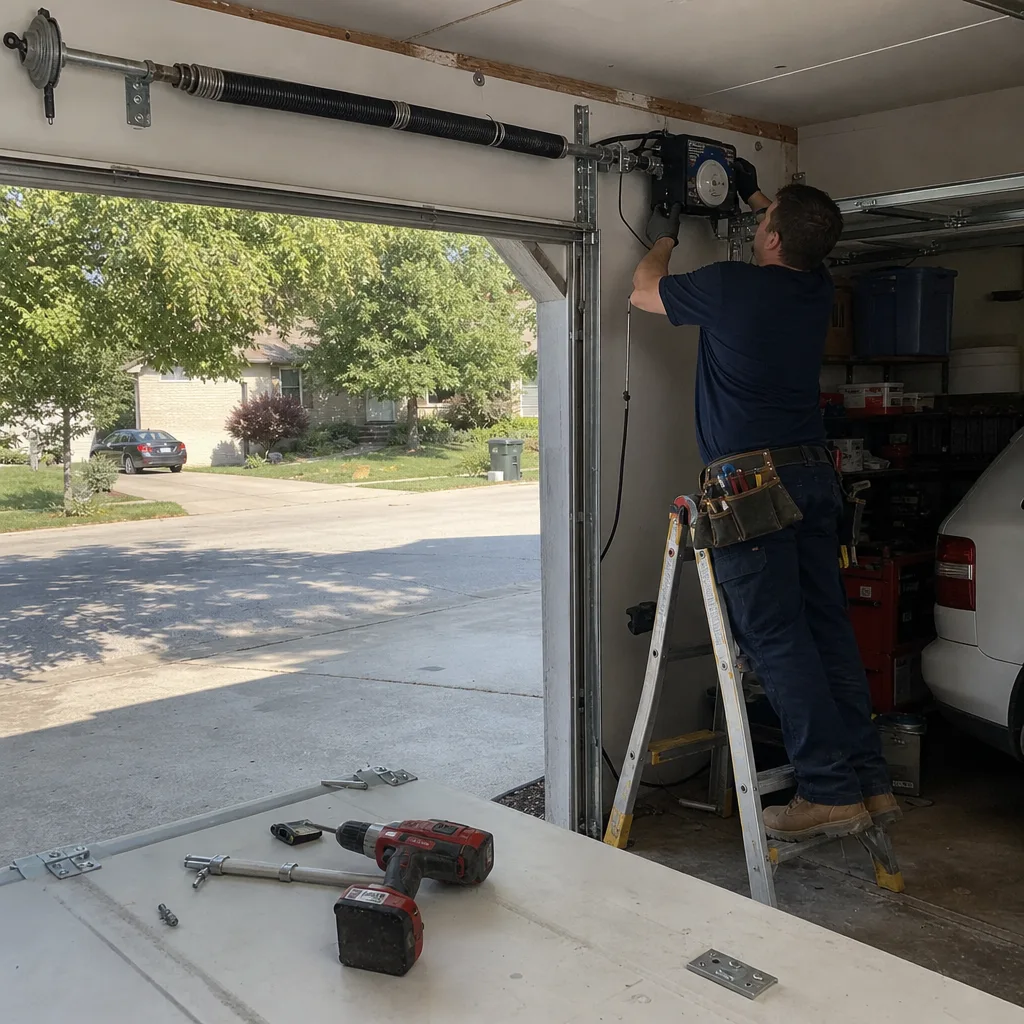
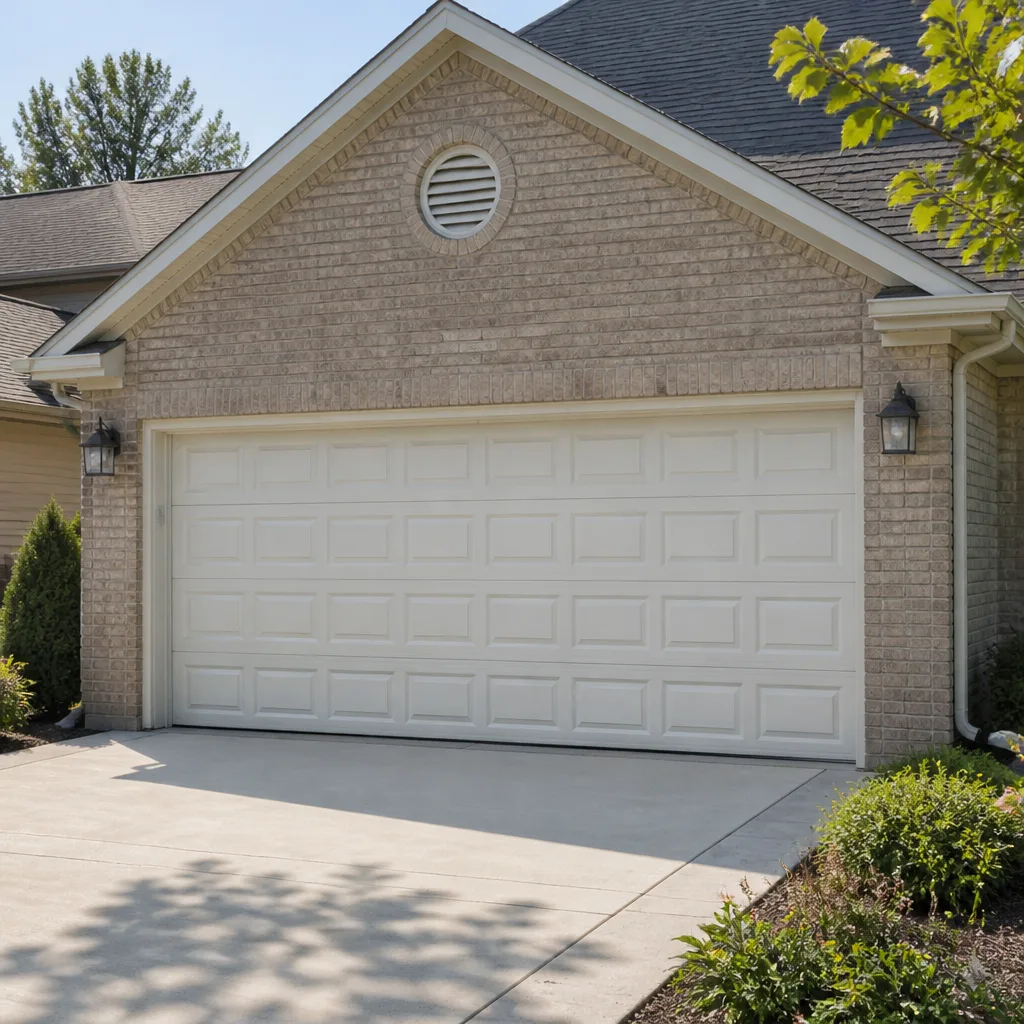 Raised-panel steel
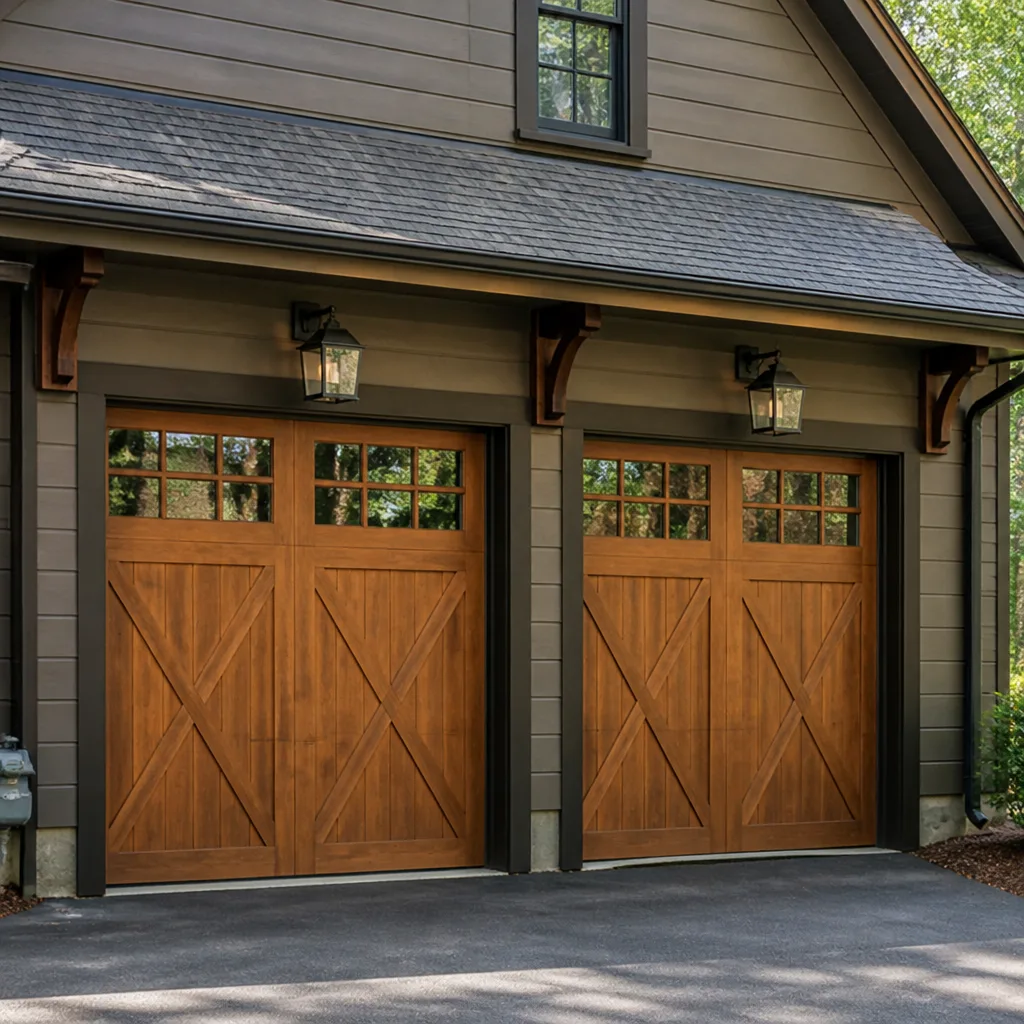 Carriage house
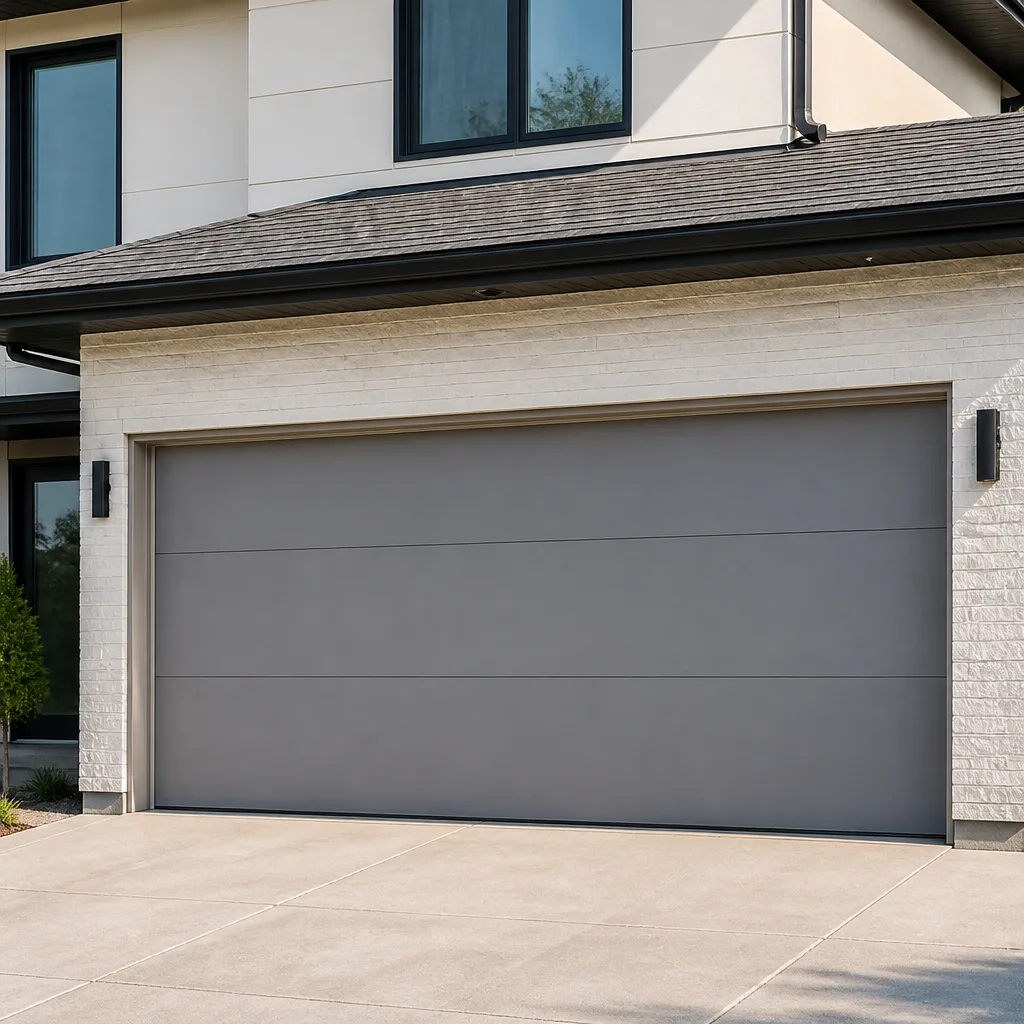 Modern flush
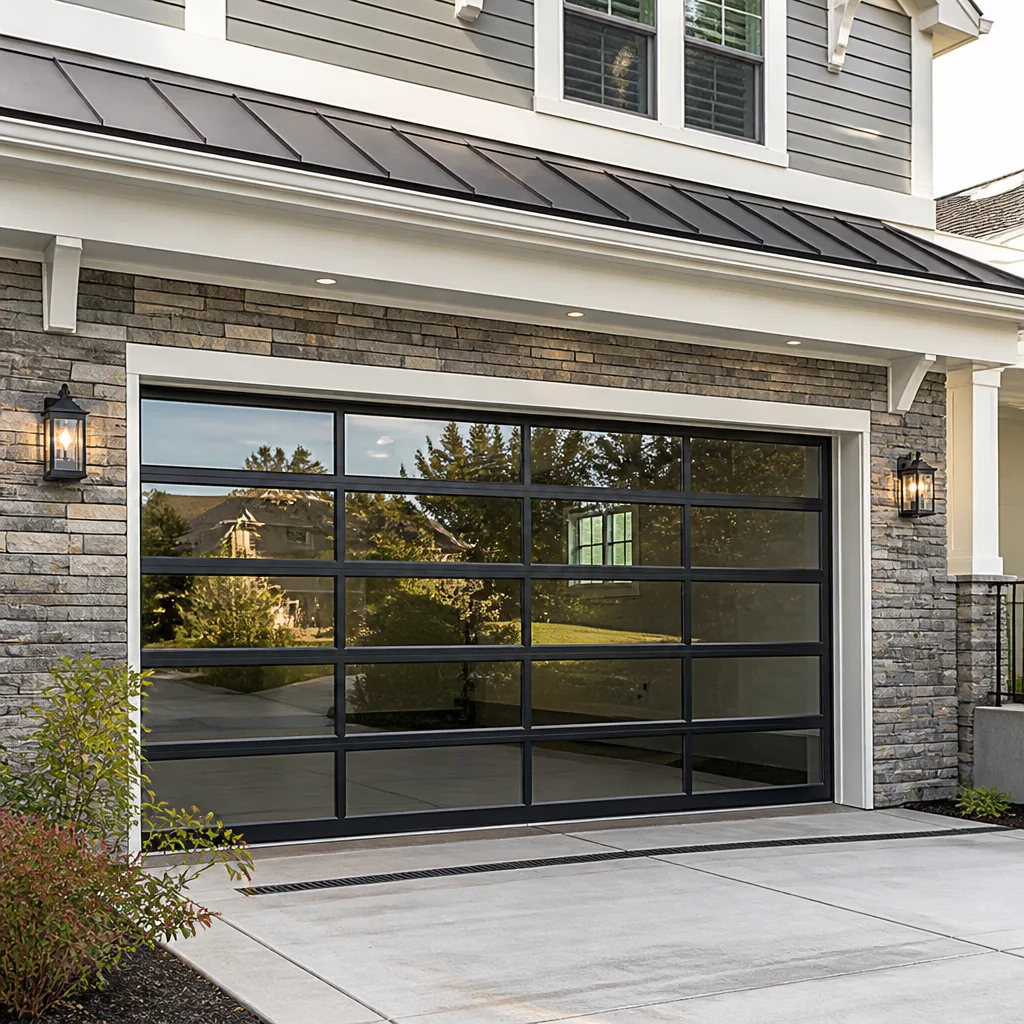 Full-view glass
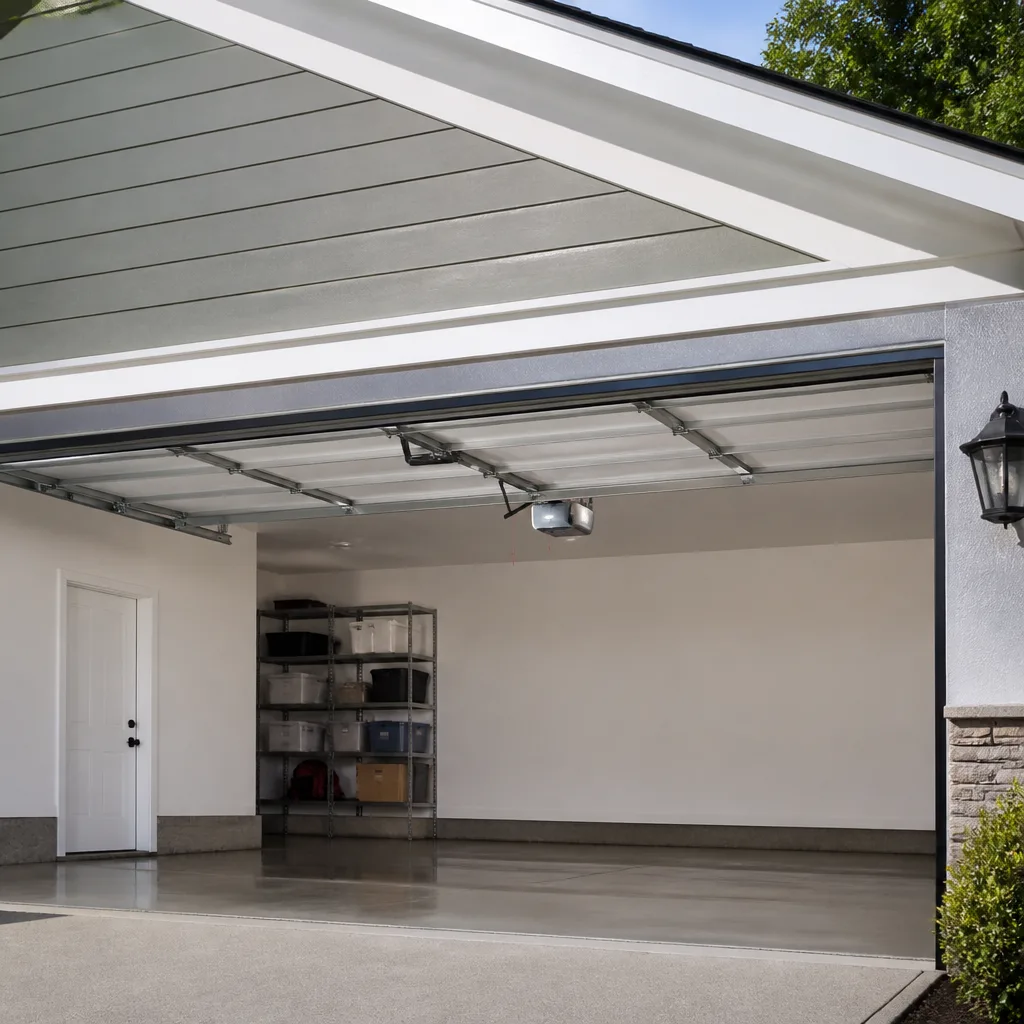 LiftMaster openers
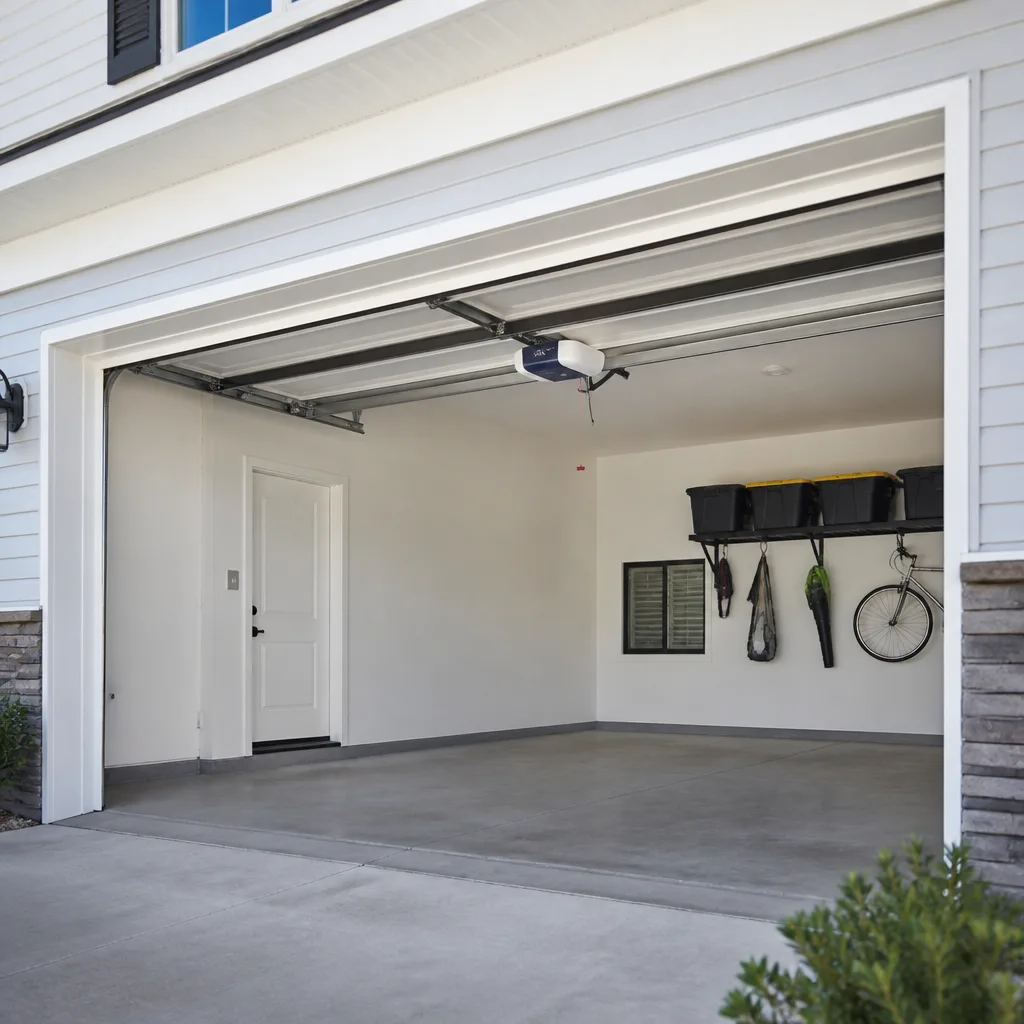 Chamberlain openers
Full 25-point door and opener safety check with every visit - springs, cables, rollers, tracks, and your LiftMaster or Chamberlain opener included
You get a price before we start. It does not change when the pro arrives.
Get your free estimateDIY vs Professional Garage Door: The DeKalb Homeowner’s Decision Guide
Most conversations about garage doors start with the wrong question. Homeowners ask “What will it cost to hire someone?” when the more accurate question is “What happens if I do this wrong?” Here’s the counterintuitive part: a torsion spring holds roughly 100 ft-lbs of torque when it’s wound, enough stored energy that an incorrect release can kill a person. That’s not a disclaimer. It’s physics, and it’s the reason “Should I DIY this?” has a different answer depending on exactly which part you’re talking about. Some garage door tasks are so low-consequence that doing them yourself makes obvious sense. Others make the cost question irrelevant no matter how handy you are. This guide draws that line clearly for homeowners in DeKalb, using the tool requirements and failure consequences for each specific job, not vague “comfort level” advice.
Quick Answer
Most garage door problems split cleanly into three zones. Bottom seals, lubrication, and safety-sensor alignment are genuinely fine to do yourself. Opener programming and minor track tweaks sit in a borderline zone where patience matters more than talent. Spring replacement, cable replacement, and anything involving the header or torsion hardware are professional-only, full stop. In DeKalb, the sensible approach is to handle the low-consequence jobs on your own and call a specialist for anything that stores energy or affects door balance.
Styles & brands we work with
- Raised-panel steel
- Carriage house
- Modern flush
- Full-view glass
- LiftMaster openers
- Chamberlain openers
Table of Contents
- Why “Cost” Is the Wrong Frame for Garage Door DIY
- Tasks That Are Genuinely DIY-Safe
- The Borderline Zone: Opener Programming and Minor Adjustments
- Professional-Only Work: Springs, Cables and Structural Repairs
- How to Honestly Assess Your Own Skill Level
- The Real Cost When DIY Goes Wrong in DeKalb
- What “Professional” Actually Means in Illinois
- The Middle Path: Prepping the Job to Cut Billable Labor
Why “Cost” Is the Wrong Frame for Garage Door DIY
Every comparison you’ll read frames this decision as a dollars question: DIY costs less, a pro costs more, pick your tradeoff. That framing collapses the moment you look at failure consequences. Garage door repair isn’t one trade with one risk level. It’s a bundle of jobs with radically different risk profiles, and some of those jobs have a skill floor so low and consequence profile so mild that hiring out is basically paying for convenience. Others have consequences that scale from “annoying” straight to “emergency room.”
We think about it as risk topology. Picture a map where every task sits somewhere on two axes: how hard is it to learn, and how bad is the failure.
- Low skill, low consequence: bottom seals, lubrication, sensor alignment, debris clearing. These are the DIY column, and they should be.
- Medium skill, medium consequence: opener programming, minor track adjustment, photo-eye replacement. Doable if you follow the manual carefully and you’re mechanically patient.
- High skill, high or catastrophic consequence: torsion and extension springs, cables, bottom brackets, structural header modification. No amount of homeowner skill moves these out of the professional column, because the failure mode isn’t “the door doesn’t work.” It’s injury.
What you’ll learn in this guide: exactly which tasks sit in each category, what the tools for each actually are, how DeKalb’s climate and housing stock change the calculus, and how to prep a job so you’re not paying a pro for work you can safely do yourself. If you’d rather skip ahead to knowing when to call, our garage door repair team handles any of these tasks with free estimates.
Tasks That Are Genuinely DIY-Safe
These are the jobs where hiring out is optional, and where doing it yourself is a reasonable choice even for homeowners with limited tool experience. None of them involve stored mechanical energy, none require lifting the door, and all of them can be done with an afternoon and standard hand tools.
- Replacing the bottom weather seal. The rubber or vinyl seal along the bottom of the door hardens and cracks, especially through DeKalb winters where ice weld and freeze-thaw cycles crack it faster than in milder climates. Slide the old seal out of the retainer channel, slide the new one in, done. Most seals need nothing more than a utility knife, a spray of silicone lubricant, and tugging.
- Lubricating hinges, rollers, and springs. A can of white lithium grease or a dedicated garage door lubricant, a rag, and ten minutes. This is the single best preventive maintenance task homeowners can do, and it’s particularly important in DeKalb where the cold season thickens cheap lubricants and accelerates wear.
- Aligning or cleaning safety sensors. Photo-eye sensors at the bottom of the track stop the door if something crosses their beam. When the door reverses for no reason, nine times out of ten it’s a dirty lens, a knocked-out alignment, or sun glare hitting the receiving eye. A soft cloth, an eyeball check on the LED indicators, and a gentle nudge back into alignment usually solve it.
- Clearing debris and adjusting the photo-eye bracket. Fallen leaves, ice at the threshold, and small objects (bikes, scooters, garden tools) trigger sensor trips. Sweeping the threshold and repositioning the sensor bracket to avoid direct sun is straightforward.
- Tightening exposed bolts on the track brackets. If the door rattles but rolls fine, loose lag bolts on the vertical track brackets are usually the culprit. A wrench and a few turns of a socket handle this without touching the torsion system.
- Testing your balance and safety reverse. Pull the manual release, open the door halfway by hand, and see if it stays put. If it drops, the springs are out of balance and you should call before using the door. This is a test, not a repair, and any homeowner can run it safely.
If you’re doing any of these and find something worse (a broken spring, a bent track section, a door that wobbles in the guides), stop and get eyes on it. A full replacement or a serious repair is where expectations change; you’ll want our guide to garage door repair rather than a mid-afternoon attempt.
The Borderline Zone: Opener Programming and Minor Adjustments
These tasks sit in the middle. They aren’t dangerous in themselves, but they require patience, documentation, and an honest willingness to abandon the job if you get stuck. The good news: for owners of LiftMaster, Chamberlain, Genie, Craftsman, or Raynor openers, the manuals and YouTube walkthroughs are plentiful. The bad news: opener programming varies widely across models, and DeKalb door owners often inherit a home where the opener was installed years ago and no documentation survived the move.
What’s typically fair game:
- Re-pairing a remote, keypad, or HomeLink. This is a menu-item job. Every opener in our coverage list uses a defined button sequence for pairing. Raynor and Wayne Dalton units have their quirks, but they’re all learnable from the manual or a brand-specific video.
- Changing travel limits and force settings. If the door doesn’t close all the way, the opener’s travel limits may have drifted. This requires care: setting force too high defeats the safety reverse system, which is the safety feature that stops the door from crushing a child or pet. Follow the manufacturer’s guidance exactly, and don’t override it to solve a mechanical issue.
- Adjusting the sensitivity on the photo-eye per the manual. Some units have adjustable sensitivity. A simple dial twist is fine; replacing the sensors themselves is another story.
- Replacing the opener’s battery backup. A plug-and-play swap. If your unit takes a 12V sealed backup battery, this is a genuine five-minute task.
Where we’d stop you: any job that has you opening the opener housing and inspecting the logic board, or replacing the drive gear. At that point, our garage door opener repair team has probably seen the exact model before, and the diagnosis is faster than a part order.
Professional-Only Work: Springs, Cables and Structural Repairs
Here’s the honest truth: this is the list that determines whether the DIY vs. professional question even applies to your situation. If your problem is on this list, the answer is the same regardless of how skilled you are. We say this as a garage door specialist in DeKalb, not as a liability shield. The physics genuinely doesn’t care about your experience level.
The professional-only category:
- Torsion spring replacement. Torsion springs (horizontal, above the door) store dangerous amounts of energy when wound. We’re talking about enough force to break bones and, in the wrong circumstances, kill. This is our single largest specialty and the reason many generalist handymen won’t touch them: the job is unforgiving and requires specific tools (winding bars, a controlled torque-and-turn procedure, precise measurements). Never attempt this yourself. See our garage door spring repair page if you suspect a spring failure.
- Extension spring replacement. Slightly less stored force than torsion but still dangerous. Extension springs under tension can whip if a safety cable fails. Again, professional territory.
- Cable replacement. Cables are under extreme tension when the door is down. Replacing or adjusting cables without the door properly pinned and blocked is a common source of serious injury. We won’t describe the procedure in detail here, because the risk of half-understanding is worse than the risk of not trying.
- Bottom bracket and drum replacement. Both carry cable tension. Same physical risk category as cable repair.
- Structural header modification. Any change to the wall above the door that affects load path, or a beam that needs reinforcement, is a framing and structural problem, not a garage door problem. If you’re not sure whether you have header damage, look for a sagging top panel, a door that drags at one corner, or a garage ceiling with new cracks.
We also won’t tell you to “just watch a tutorial.” For these specific jobs, that recommendation has hurt people. The safest thing you can do if you suspect one of these failures is to leave the door closed, stay out from under it, and call.
How to Honestly Assess Your Own Skill Level
“I’m kind of handy” is not an assessment. Here’s a specific way to think it through: match the task to the tools it requires. If you have to buy or borrow the tool, that’s a signal. If you don’t own the tool and don’t want to own it, that’s a stronger signal. And if the tool is a winding bar or a come-along used under tension, stop there entirely.
Run your task through this five-question filter before you start:
- Do I own every tool this task requires? For bottom seal, the answer is a utility knife and a spray of silicone. For spring replacement, the answer is winding bars you don’t own and probably shouldn’t.
- Can I describe how I’ll know the job is finished correctly? If you can’t articulate the pass condition (door balances, sensor passes the reverse test, seal sits flush), you’re guessing.
- Does the task involve stored mechanical energy? Springs, cables, and anything under tension: yes. Seals, sensors, and lubrication: no.
- If I get stuck halfway, is the resulting state safe? “Half-installed bottom seal” is harmless. “Half-replaced spring” is not.
- Would a re-do cost more than the original professional quote? If yes, you’re gambling with time. Honest answer for most borderline jobs: yes, sometimes it does.
If you pass all five, do the job. If you don’t, you already have your answer.
The Real Cost When DIY Goes Wrong in DeKalb
When homeowners picture “DIY gone wrong,” they usually picture a slightly larger repair bill. In practice, the cost has several layers, and some of those layers outlast the original problem. Here’s what we’ve seen in our experience working on doors across DeKalb:
- Re-work charges. Attempted repairs often mean the tech is undoing your work before starting theirs. Common on opener housings opened and left half-assembled, and on track adjustments where the door was left crooked. Those are billable time.
- Voided manufacturer’s warranty. If your door or opener is still inside its warranty window, a non-certified repair can void it. Amarr and Clopay doors in particular have warranty terms that may be affected by unauthorized repairs. It’s worth checking the terms before you start.
- Voided labor warranty. Openers under warranty often require certified installation. Same principle for any door or opener in its warranty period. Our technicians are experienced across 8 leading brands, which keeps you inside the terms for most work.
- Insurance complications. If a DIY attempt caused secondary damage (bent panel, damaged door frame, water intrusion after a failed seal), your homeowner’s policy may or may not cover it. Coverage depends on your carrier and your specific policy language, so we won’t guess at it. Ask your agent if you’re unsure.
- Time cost, which is real. A borderline task you’ve never done can eat four or five hours on a Saturday that would have been spent on anything else. If your time is worth anything, “saving” $60 on a pro call often isn’t saving.
- The injury layer. This is the one we can’t put a number on. It’s also the one that drives every spring-related recommendation we make.
If you’re mid-attempt and unsure how to undo it, don’t force it. Stop, close the door if you can do so safely, and call. Same-day and emergency appointments are available because we know most DIY attempts go wrong at the exact moment homeowners have already spent their evening on it.
What “Professional” Actually Means in Illinois
There’s real confusion about who’s qualified to work on a garage door in Illinois, and the confusion is worth clearing up before you hire anyone. The terms are not interchangeable, and understanding them will save you from a quote that looks cheap until something breaks.
Licensed contractor. Illinois and DeKalb require certain trades to be licensed at the state or municipal level, and general contractor regulations vary. Garage door work falls in a gray zone; some municipalities require specific permits for structural changes, others for electrical work tied to a new opener. We won’t name a specific statute because we don’t want to misstate the local ordinance. The safe move: ask the city of DeKalb building department directly, and ask your contractor whether the work you’re doing requires a permit.
Certified technician. Certification (usually brand-specific) means a technician has completed training on a particular manufacturer’s systems. It matters because LiftMaster, Chamberlain, Genie, Clopay, Amarr, Wayne Dalton, Craftsman, and Raynor each have distinct installation and repair procedures, and a brand-certified tech walks in already knowing them. This is where we concentrate our coverage: our technicians are factory-familiar with those 8 brands.
Unlicensed installer or handyman. Not necessarily unqualified, but you have no independent way to verify that. Common in DeKalb on marketplaces and social media. The clearest risk is springs and cables; an unlicensed installer may be doing work they don’t fully understand.
Vetted local professional. This is the category our connected pros represent. Each local professional we work with is licensed and insured as their state requires. Ask any pro for a copy of their insurance certificate before they start. Any legitimate contractor will provide it without hesitation.
If you’re hiring, use this three-question test: Are you certified on my door or opener brand? Can you provide a certificate of insurance? Can you quote the job in writing before the work starts? A yes to all three means you’re in the right hands.
The Middle Path: Prepping the Job to Cut Billable Labor
You don’t have two options (do it all, or hire it all). There are productive ways to reduce professional labor time without crossing into dangerous territory. In our experience, homeowners who do a modest amount of prep before a service call save measurable dollars, and the job goes more smoothly.
Prep that genuinely helps:
- Clear the garage floor. The two parking spaces closest to the door need to be empty, and anything nearby the door tracks needs to move. Labor estimates assume a workable floor.
- Move cars out of the driveway. A tech will need to cycle the door several times to test balance, force, and reverse safety. Cars in the way add time.
- Note the model and serial numbers. Look on the door’s interior end stile and on the opener’s rear chassis. Text a photo of the labels to the tech before the visit. It saves a lookup and helps them arrive with the right parts.
- Document the symptom, ideally on video. A thirty-second clip of the exact failure is worth minutes of diagnostic time. “It reverses about a foot off the ground” plus a video is a fast diagnosis; “it doesn’t work right” is not.
- Note when it last worked and what changed. New weather seal, new opener install, new sensors? That context often shortcuts the diagnosis entirely.
- Clear the interior pathway to the opener head. If the opener is ceiling-mounted, make sure a step ladder can reach it without moving storage.
- Know your brand. “It’s a Wayne Dalton” or “It’s a Craftsman” is a genuine shortcut. Our technicians are factory-familiar with 8 brands including Wayne Dalton and Craftsman, and knowing your brand upfront helps them match the fix to the quirks of the model.
Do these seven tasks, and you’ll typically reduce the time a technician spends on your job without putting yourself anywhere near a spring. You are not doing any dangerous step; you’re doing the administrative prep that anyone can do safely.
Common Mistakes to Avoid
- Cutting a “quick release” on a torsion spring. We’ve seen this referenced online often enough that it’s worth naming as a catastrophic mistake. Releasing a torsion spring incorrectly is the exact scenario that causes the injury statistics this trade worries about. Never do it.
- Replacing one spring of a matched pair. If one torsion spring broke, its partner is at the same fatigue point. Replacing one usually means a second service call within a season. Pairs are almost always the right move, and DeKalb’s winter temperature swings make that more true here than in milder regions.
- Using WD-40 on the tracks. It’s a light solvent, not a lubricant. Tracks should stay clean and dry; hinges and rollers get white lithium. This mistake alone causes a surprising share of “the door is suddenly noisy” calls in DeKalb.
- Overriding the safety reverse force to fix a misbehaving door. If the door doesn’t close properly, the force limit is protecting you. Increasing it just hides the underlying problem and turns a small repair into a bigger one.
- Assuming a bent track can be “adjusted back.” Minor adjustments are borderline-DIY-safe, but a visibly bent track is a replacement. Forcing a bent track back usually warps the door panel next.
- Hiring the cheapest quote without asking about insurance. Spring repair is the most common low-bid job in this trade, and it’s also the highest-risk. Insured, certified, and quote-in-writing: those three filters catch almost every problem contractor.
- Ignoring a slow drip under the door in winter. Ice weld at the bottom seal is a DeKalb winter reality. If the seal is compromised, the door can freeze to the slab and force damage can follow. Replacing a bottom seal is cheap and DIY-safe; replacing a damaged bottom panel is not.
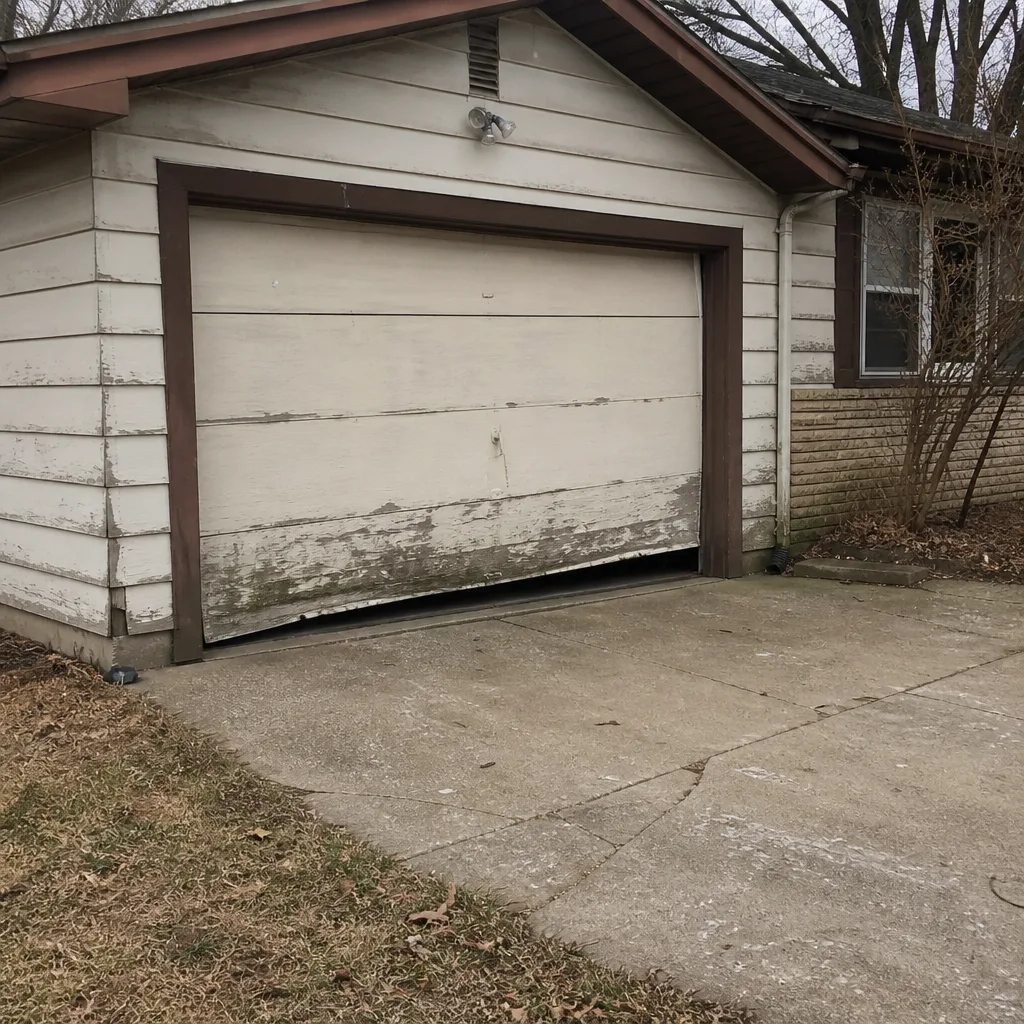
See the difference
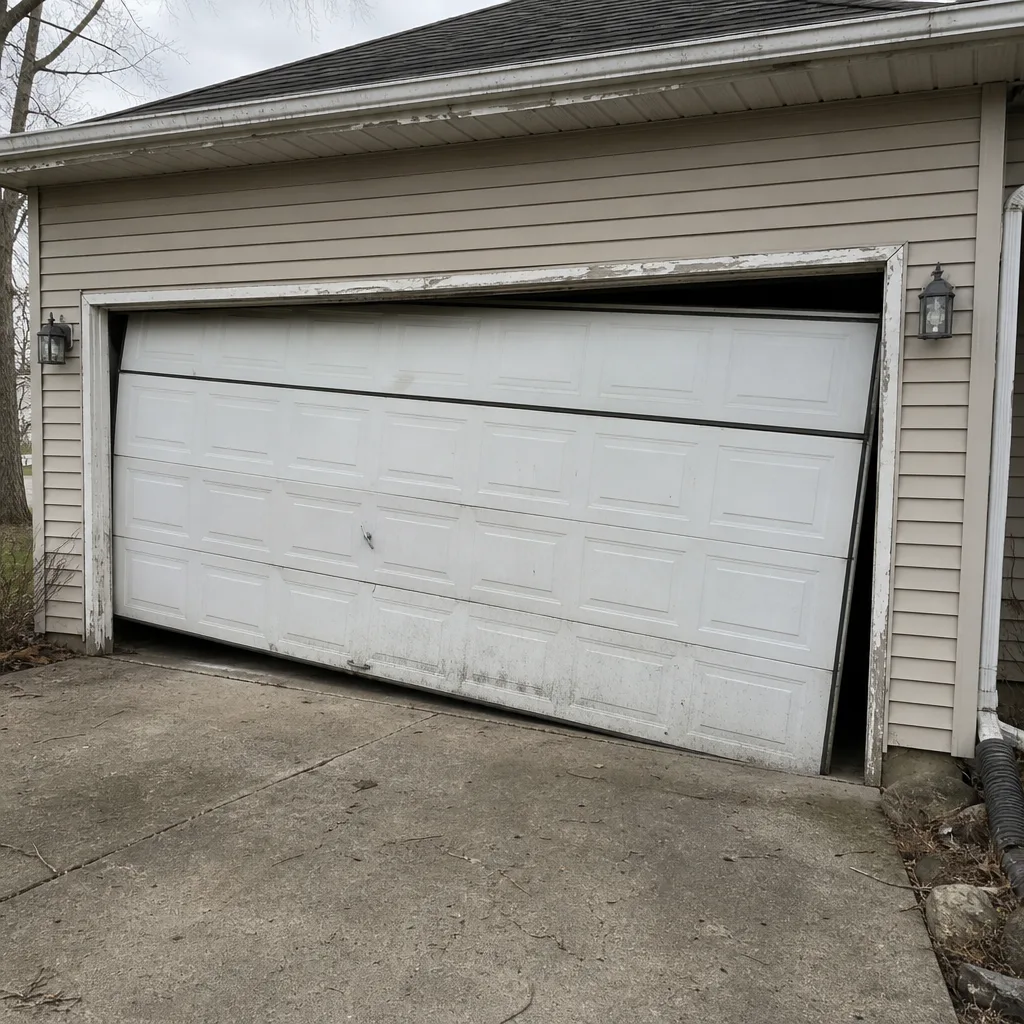 Before
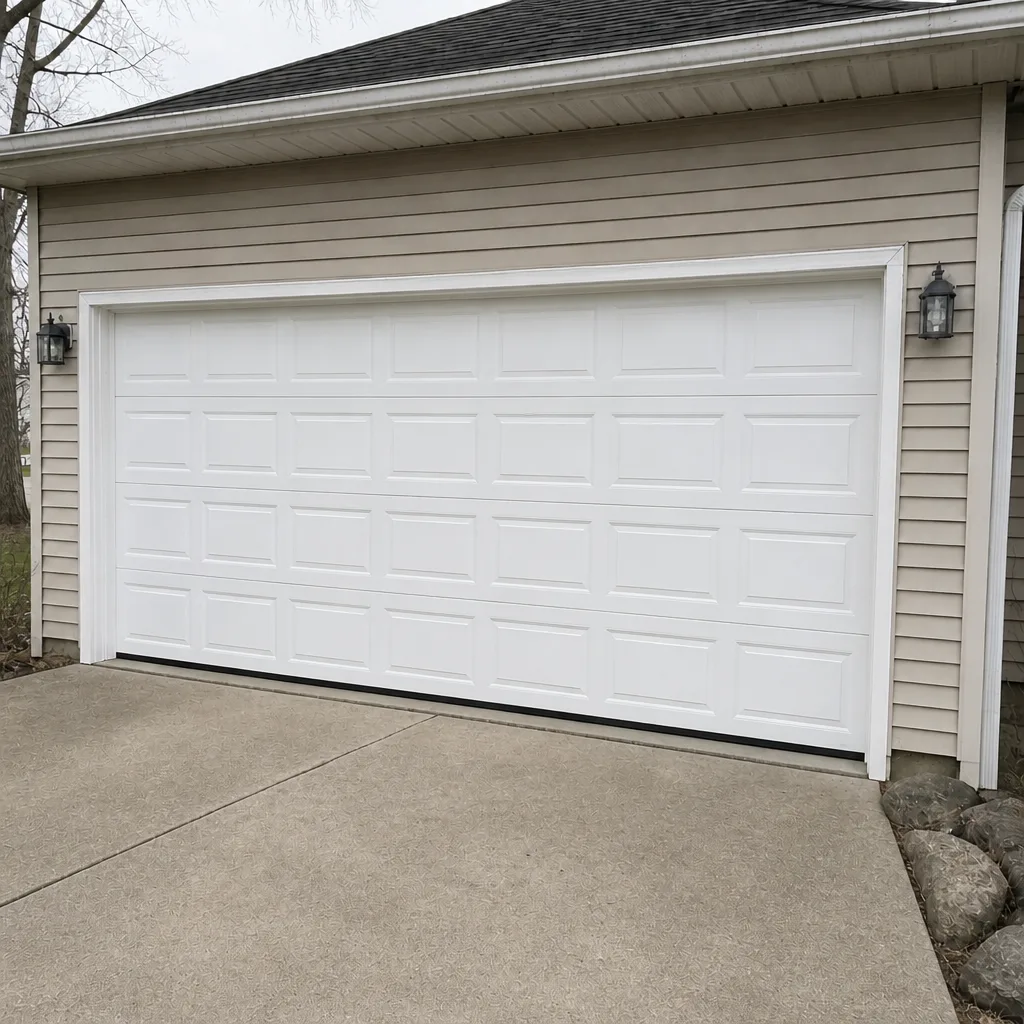 After
 Before
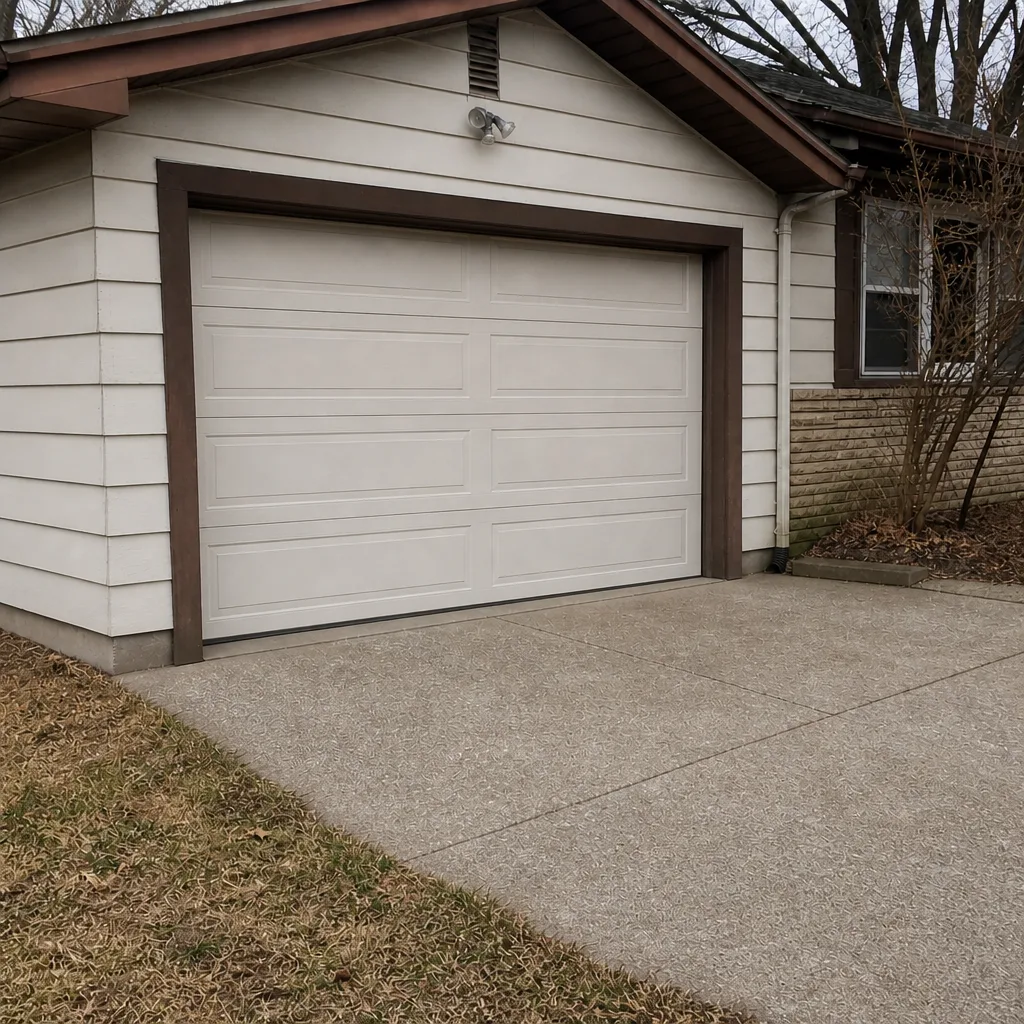 After
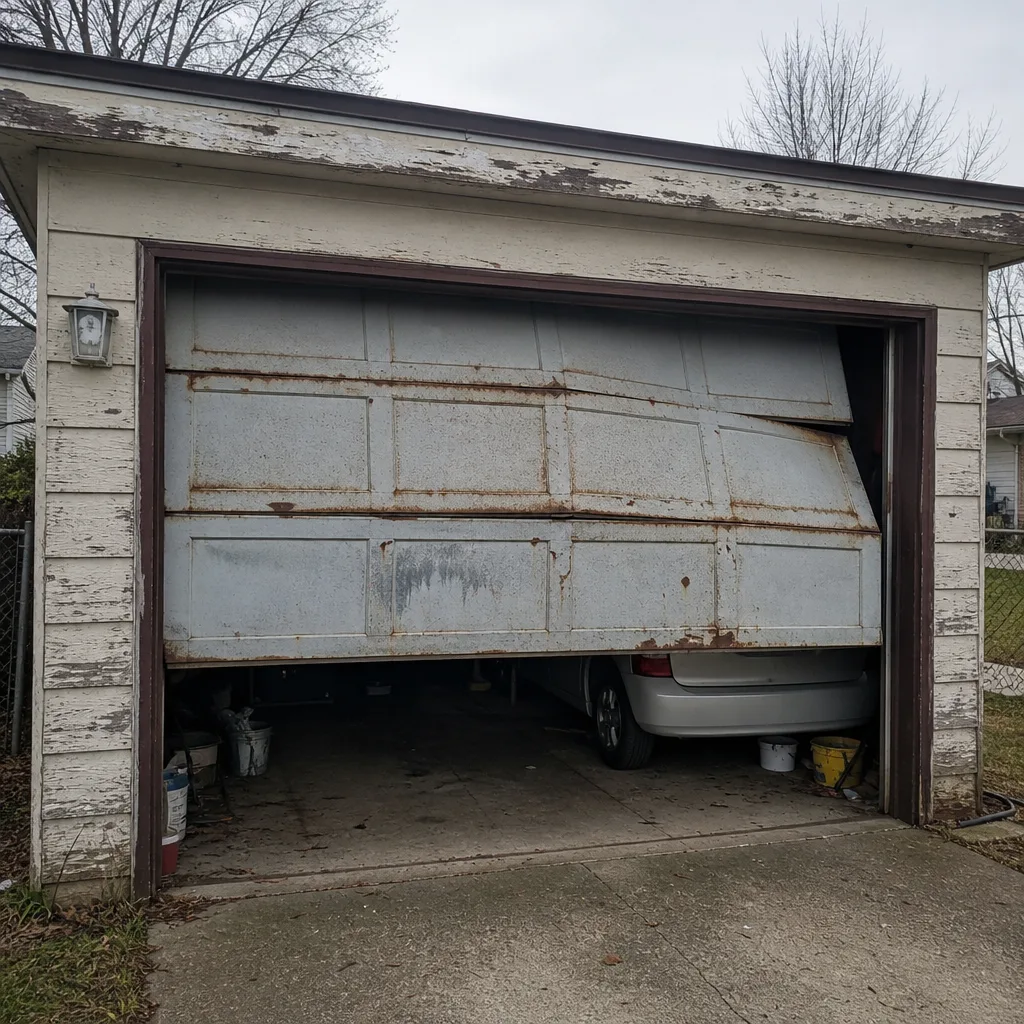 Before
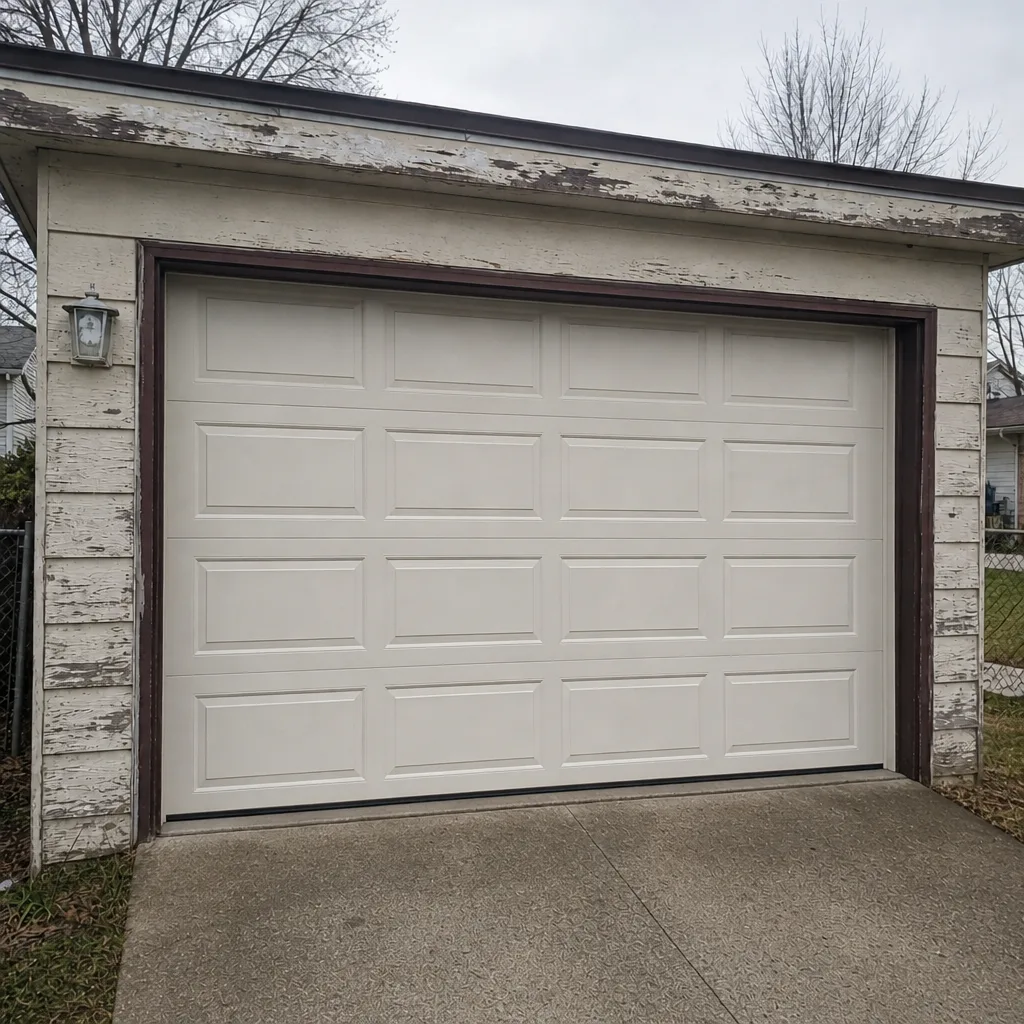 After
When to Call a Professional
Call a professional when the task involves stored energy (springs, cables, brackets), structural work (header, framing, jamb), or any situation where the door is unsafe to operate. Also call when a “small” repair has been attempted and left the door in a state you can’t verify is safe. Those scenarios aren’t about skill level; they’re about physical risk. DeKalb Garage Door Repair Pros offers free estimates in DeKalb and same-day and emergency appointments when a door fails at an inconvenient time. Our technicians have up to 12 years of experience and are factory-familiar with 8 leading brands. Call (866) 566-1663 for an exact quote before any work starts. Pricing is quoted and agreed before the first tool comes out of the truck, so there are no surprise invoices on the back end.
Frequently Asked Questions
For low-consequence tasks (bottom seal, lubrication, sensor alignment), DIY is genuinely cheaper and safe. For spring or cable work, DIY isn’t cheaper once you factor in re-work, voided warranties, and the injury risk, and most homeowners come out ahead hiring it out. The written quote from a professional sets the final price, so you know the number before work starts. Call (866) 566-1663 for a free estimate.
No. A wound torsion spring stores enough torque to cause serious injury or death, and an incorrect release is the exact scenario those warnings refer to. This is the one garage door task where no amount of homeowner experience changes the answer. Our spring repair specialists in DeKalb handle this safely. Call (866) 566-1663 to book a same-day or emergency appointment.
Spring repair is quoted per job after a technician assesses the door, and a matched pair is typically recommended over a single spring because the partner is at the same fatigue point. We provide a free written estimate before any work starts, and the price is agreed before the first tool comes out. Call (866) 566-1663 for an exact quote.
It doesn’t. The written quote you agree to before work begins is the price. If the diagnosis changes materially (a track adjustment reveals a bent panel, for example), the technician stops, explains the change, and gets your approval on a new written quote before proceeding. You will never receive an invoice for work you didn’t approve. Call (866) 566-1663 for a free estimate.
The local professionals we connect you with are licensed and insured as their state requires, and we can provide proof of insurance on request. Our technicians have up to 12 years of experience and are factory-familiar with 8 major brands including LiftMaster, Chamberlain, Genie, Clopay, Amarr, Wayne Dalton, Craftsman, and Raynor. Ask any pro for their certificate of insurance; it’s a normal request and any legitimate outfit will provide it.
Yes. Same-day and emergency appointments are available because we know a garage door failure is time-sensitive; our connected pros handle calls from homeowners who can’t get a car out or can’t secure the house. Spring failure, cable failure, and opener failure all qualify. Call (866) 566-1663 and we’ll book the next available window; for work that has to be measured and ordered, we’ll schedule a free measure and written price instead.
The Bottom Line
The DIY vs. professional question has a real answer, but that answer changes by task. Bottom seals, lubrication, sensor alignment, and honest diagnostics are yours to handle, and you should. Opener programming and minor track adjustments sit in a middle zone where patience matters; if the manual makes sense and you can describe the pass condition, go ahead. Spring replacement, cable replacement, and structural header work are not the same category, and no amount of skill moves them. That’s not a judgment on you; it’s the physics of stored energy. If your task is in that third zone, or if a DIY attempt has gone wrong, call us. Our DeKalb specialists are ready to diagnose first and replace only when necessary.
Call (866) 566-1663 for a free estimate on any garage door service in DeKalb. Same-day and emergency appointments are available, technicians are there for the diagnostic, and pricing is quoted and agreed before any work begins.
Written by the team at DeKalb Garage Door Repair Pros.