Last updated November 22, 2026
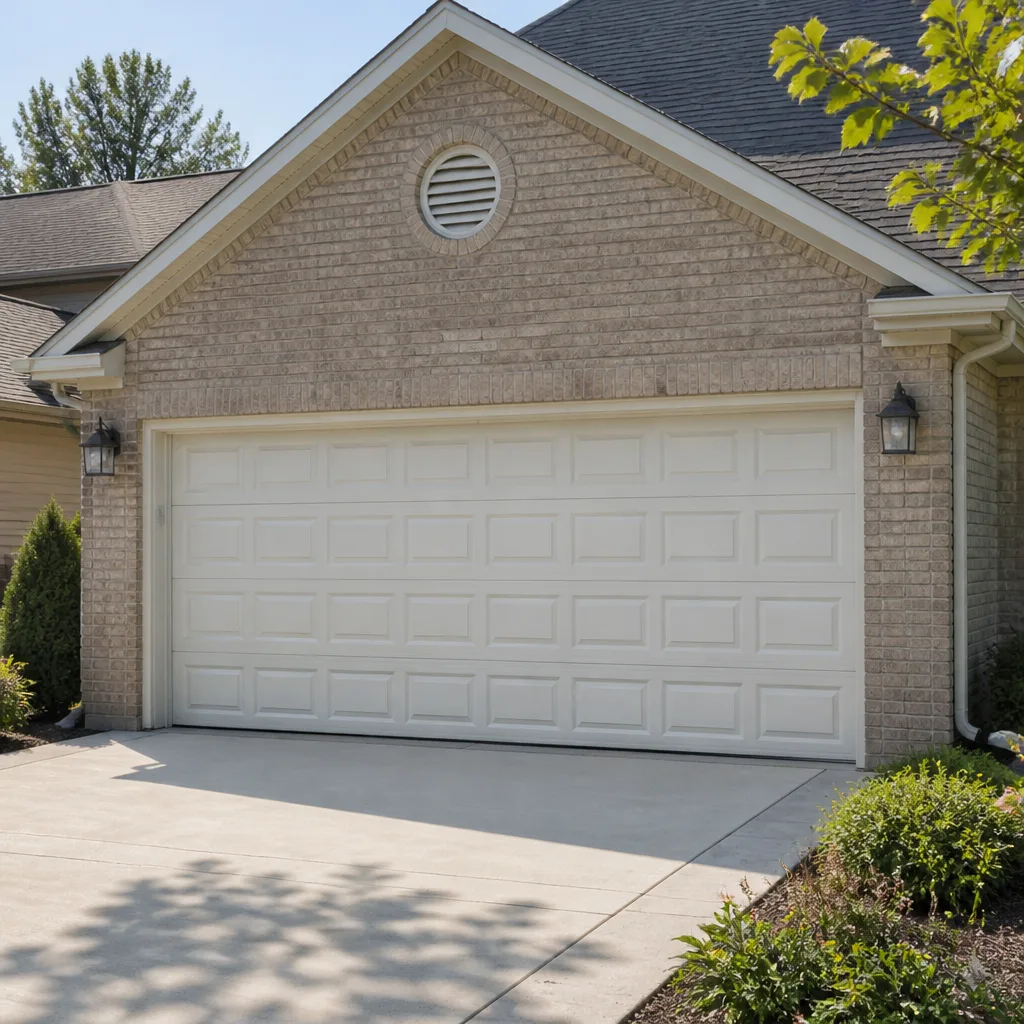 Raised-panel steel
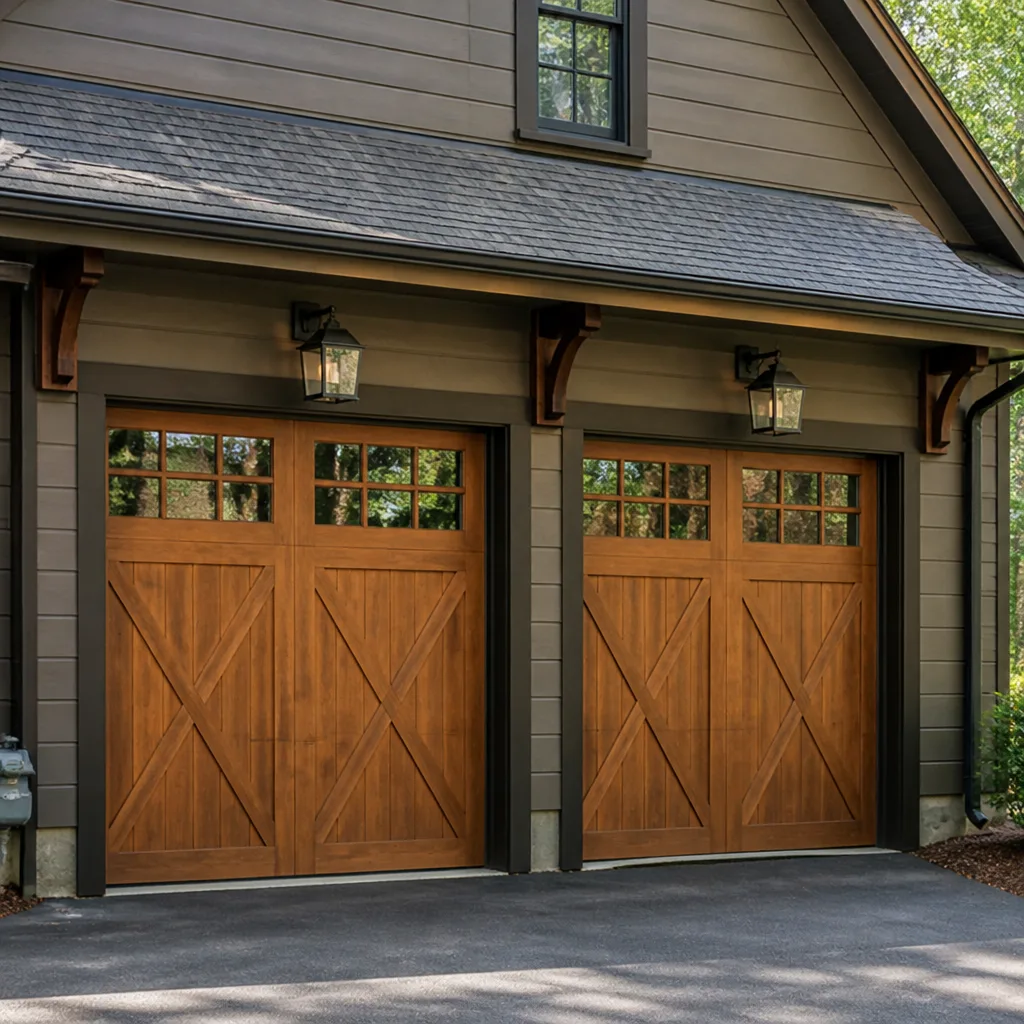 Carriage house
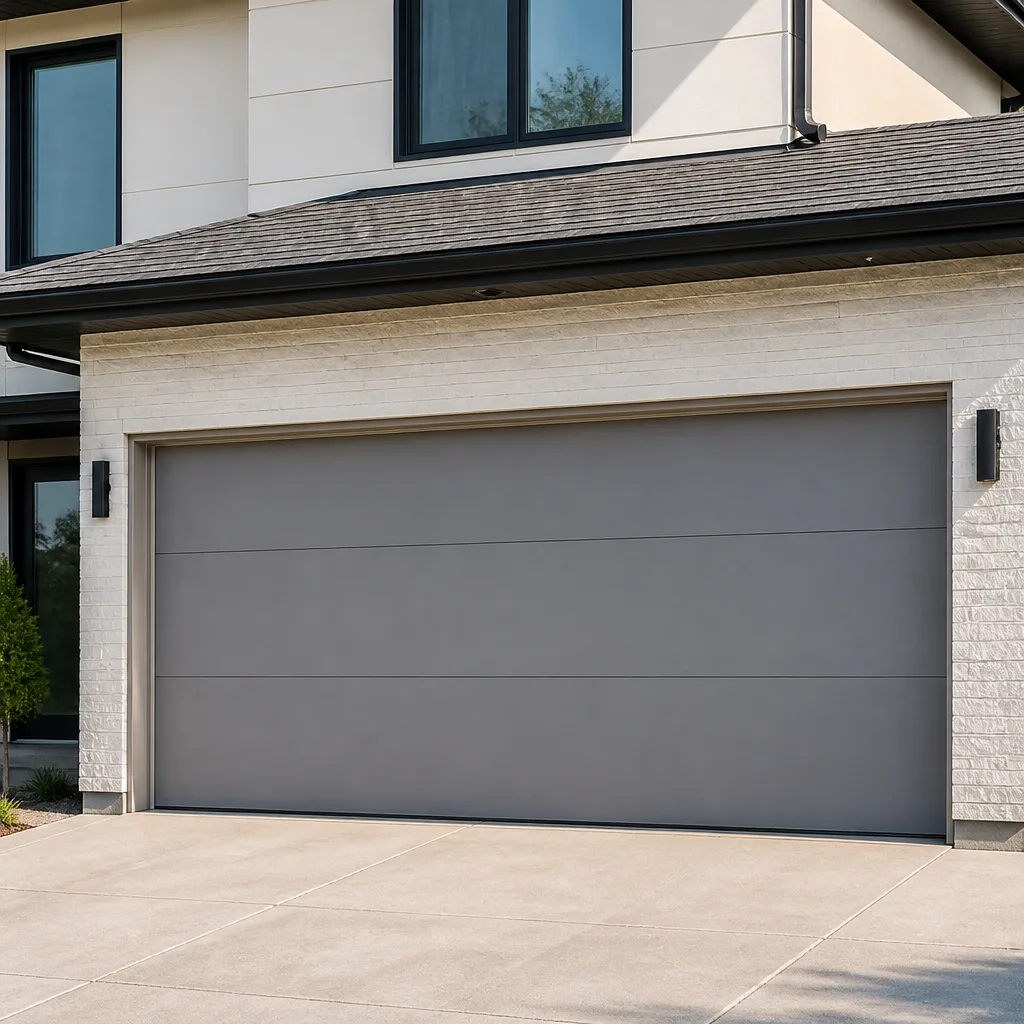 Modern flush
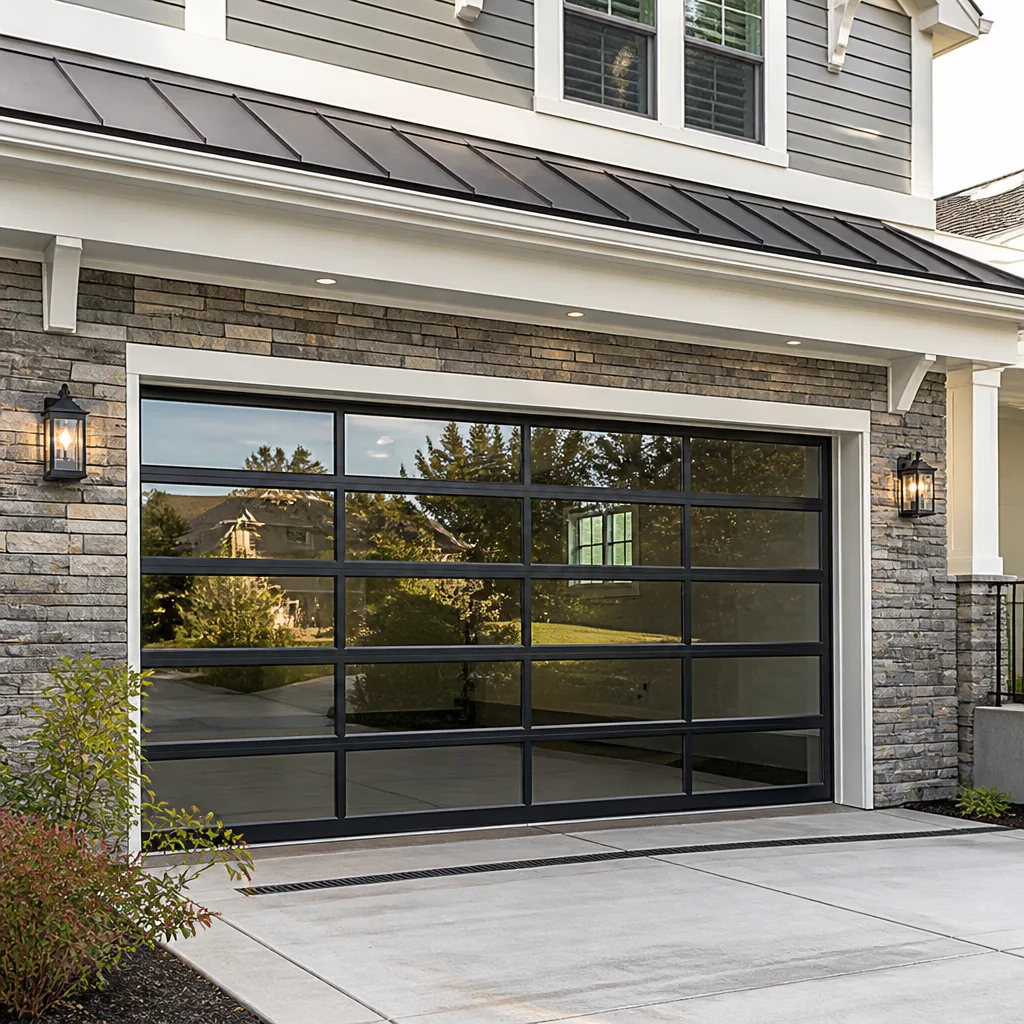 Full-view glass
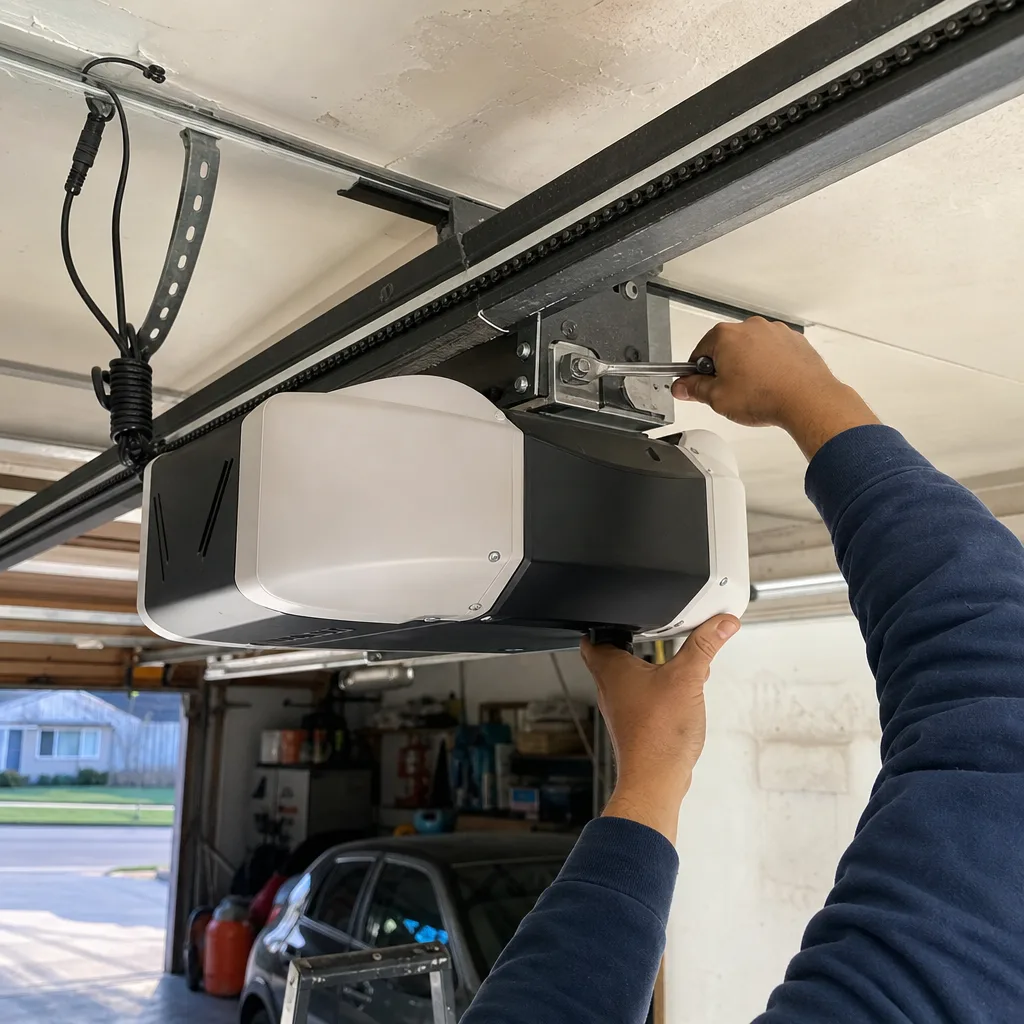
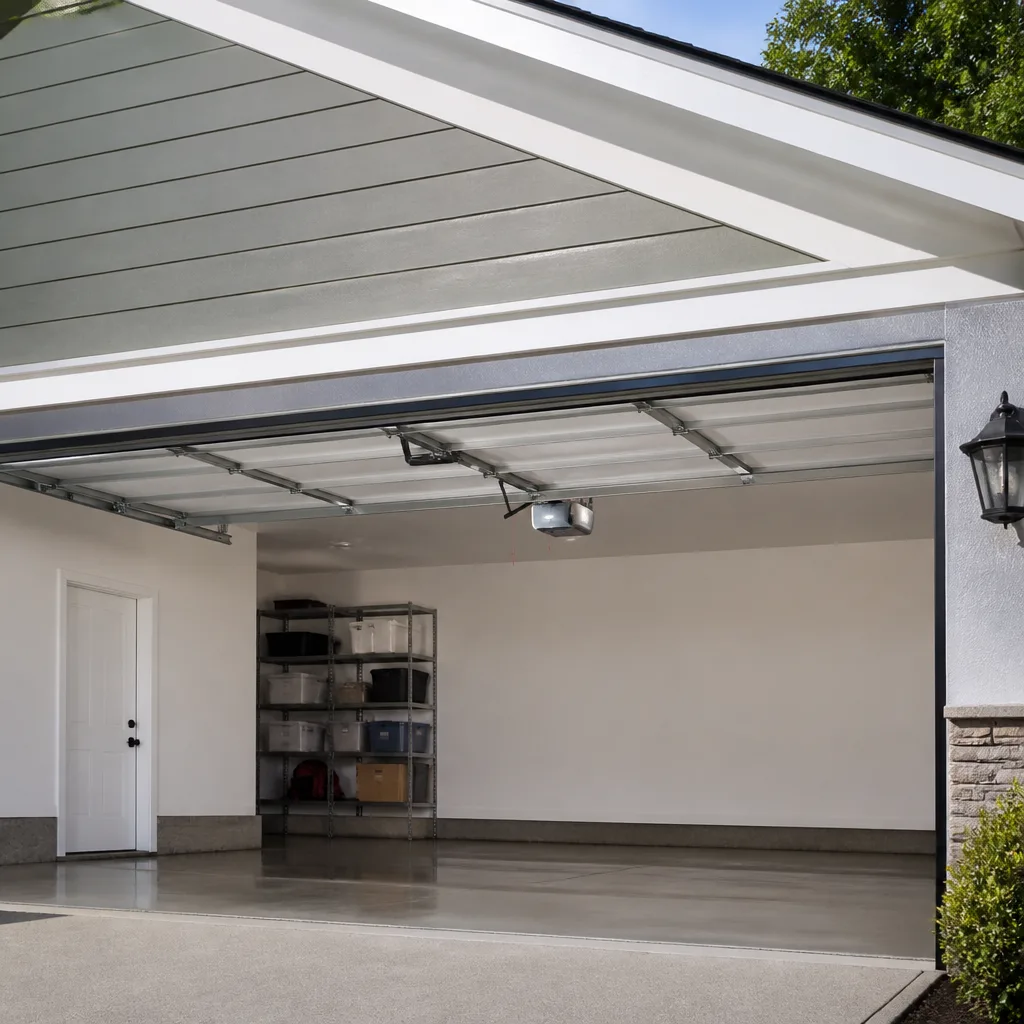 LiftMaster openers
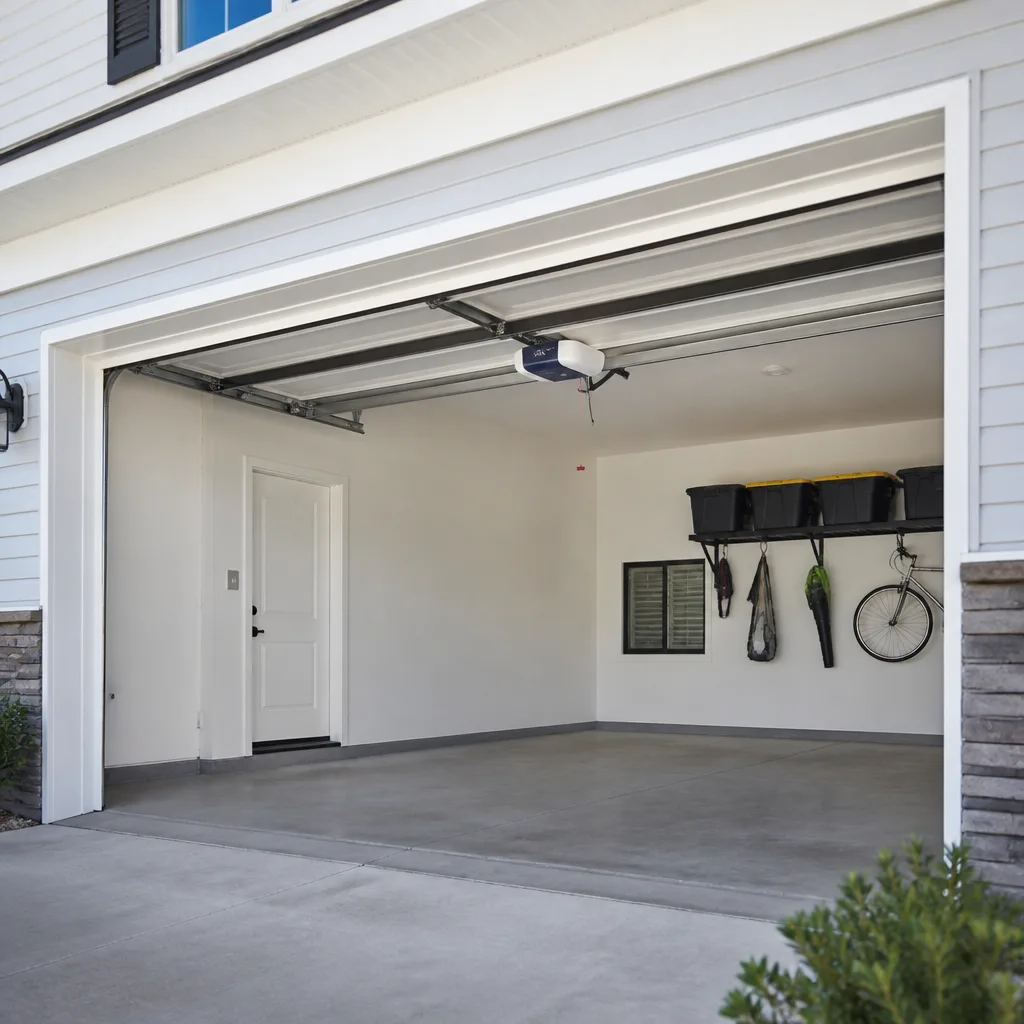 Chamberlain openers
Full 25-point door and opener safety check with every visit - springs, cables, rollers, tracks, and your LiftMaster or Chamberlain opener included
You get a price before we start. It does not change when the pro arrives.
Get your free estimateThe Complete Guide to Garage Doors in DeKalb
Most garage door guides are manufacturer spec sheets with a nice font. That’s not what a homeowner in DeKalb needs. What you need is knowing why your door skipped a beat the first time the temperature dropped to zero, why the bottom seal is chewed up on one side only, and whether that 1978 ranch door is worth a repair or a replacement. If your house went up during DeKalb’s suburban expansion between the 1960s and 1990s, the door problems you’ll face are predictable and different from a newer build’s. This guide covers how DeKalb’s freeze-thaw cycles attack tracks and springs, which door types dominate each housing era, how to read a door’s age from what you can see, permit and supplier realities in DeKalb County, and a straight decision tree for repair versus replace.
Quick Answer
Garage door problems in DeKalb are driven mostly by freeze-thaw cycles, not by brand quality: the ground heaves each winter, tracks shift out of plumb, and springs take on uneven load. A door built before roughly 2000 in DeKalb is usually worth repairing if the panels and framing are sound, while a door past 20 years with rusted hinges, a failing spring, and poor insulation usually costs less to replace than to keep patching. The written estimate you get after a professional measures and inspects your door is the only number that counts.
Styles & brands we work with
- Raised-panel steel
- Carriage house
- Modern flush
- Full-view glass
- LiftMaster openers
- Chamberlain openers
Table of Contents
- How DeKalb’s Freeze-Thaw Cycles Affect Your Door
- DeKalb Housing Eras and the Doors That Came With Them
- How to Read a Garage Door’s Age and Remaining Life
- Springs, Tracks, and Framing: What Wears Out First in DeKalb
- Permit and Supplier Considerations in DeKalb County
- Repair vs. Replace: A Decision Tree for DeKalb Homeowners
- Noise, NIU, and Downtown Proximity: What to Consider
- Seasonal Maintenance for DeKalb Doors
How DeKalb’s Freeze-Thaw Cycles Affect Your Door
DeKalb sits in a frost-heave zone. Each winter the ground freezes, expands, thaws, and settles, and it does this repeatedly. Garage slabs and the framing they support get pushed slightly each cycle. Over a handful of winters, that movement is enough to knock a garage door out of plumb, which pulls the tracks out of alignment and loads the springs unevenly. That’s why spring realignment is one of the most skipped and most necessary services in the DeKalb area.
The sequence is usually the same. A door that ran smoothly in October starts binding in January. The homeowner sprays lubricant on the rollers and it helps for a week. By the following winter, the door is jerking on one side and the opener is straining. By the third winter, a torsion spring has snapped or a cable has frayed.
Here’s what actually wears out from freeze-thaw:
- Tracks pull away from the jamb as the framing tweaks. A gap of a quarter inch at the top is enough to make rollers chatter.
- Torsion springs on the header take the load transfer, and if the door is out of plumb one spring on a pair does more work than the other. That’s why a matched pair usually fails close together.
- Cables and drums bind when the door rides crooked, which wears the cable at the drum end.
- Bottom seals get crushed against the slab when the slab heaves upward, then fail to seal when it drops back down.
- Hinges and rollers take more stress at the corners where the track is misaligned, wearing unevenly.
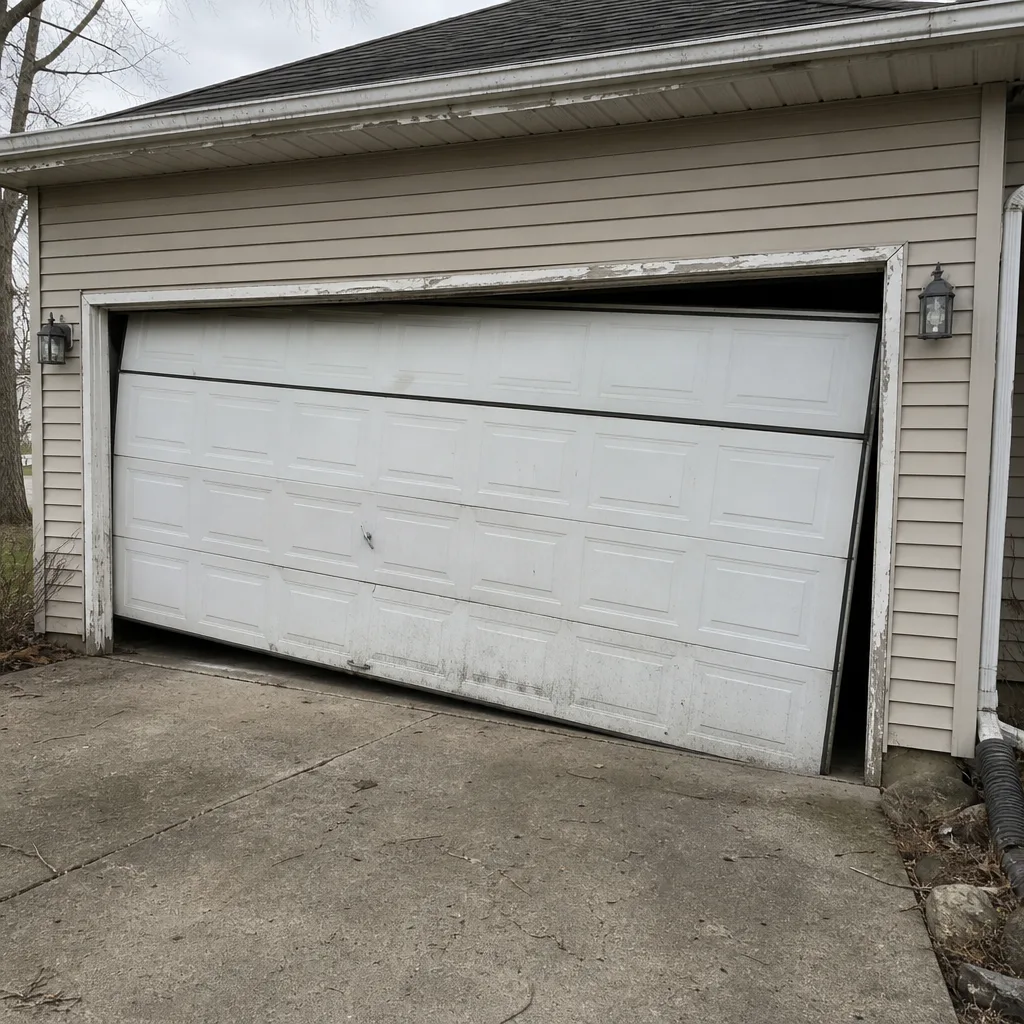
What you can do in DeKalb is watch for it. Each fall, look down both tracks while closing the door slowly. If one side of the door touches the floor before the other, or the top edge of the door is no longer parallel to the header, the door is out of plumb. That’s a service call worth making before the spring goes. For help diagnosing what you’re seeing, our garage door repair technicians look at alignment, track bolts, and spring tension on every visit because DeKalb doors rarely fail for one reason alone.
DeKalb Housing Eras and the Doors That Came With Them
Walk a few blocks in most DeKalb neighborhoods and you can guess the construction era of each house by the width of the driveway and the shape of the garage. Each era came with door types that had predictable weak points, and knowing which era your house belongs to tells you what to watch.
1960s – 1970s ranch homes. Single-wide doors, 8 to 9 feet, often wood-framed with a single torsion spring or extension springs on each side. Extension springs are the ones that can whip free if a safety cable isn’t installed. If your DeKalb ranch still has extension springs with no safety cable running through them, that’s the single most important upgrade to make. The doors themselves are usually solid wood or early hardboard, and the framing is often sturdy enough to re-hang a door instead of replacing it.
1980s – 1990s colonial subdivisions. Double doors, 16 feet wide, steel-faced on a wood frame, usually with two torsion springs on the header. This is the most common door type in DeKalb, and it’s the era where the original springs are long past their service life. Steel-faced doors from this period often rust at the bottom panel where water pools under the seal. The hinges wear, the panels hold. Most of these doors can be repaired economically.
Post-2000 builds. Insulated steel and steel-back doors, 16 feet or wider, with belt-driven openers. These doors are usually fine for the first 15 to 18 years, but the openers from that era are starting to fail. LiftMaster and Chamberlain units from the mid-2000s commonly lose their logic board or the wall control before the door itself wears out. If your post-2000 DeKalb home has a working door and a dead opener, the fix is often the opener, not the door.
For a full installation conversation specific to your build, our garage door installation team measures the opening, checks the header and framing, and quotes a door that fits your era and insulation needs.
How to Read a Garage Door’s Age and Remaining Life
You don’t need a technician to tell you roughly what decade your door came from. The visible hardware usually tells you in five minutes. Here’s how to read it.
- Look at the opener head unit. LiftMaster, Chamberlain, Genie, and Craftsman units all carry a manufacture date on a sticker on the back or underside of the motor housing. If yours says 2003, your opener is 20-plus years old and living on borrowed time.
- Count the springs. One spring on a 16-foot door means it was hung later or replaced with a single-spring setup. Two springs on opposite ends of the shaft is the standard for most post-1980 double doors in DeKalb.
- Check the bottom panel for rust. A rusted-through bottom panel on a steel door means water has been sitting under the seal. That’s a panel replacement or a full door, depending on whether that panel style is still made.
- Look at hinge wear. Hinges with visible slack in the pin, or a door where the panels have dropped a quarter inch relative to each other, are telling you the door has been out of plumb for a while.
- Inspect the spring turns. A torsion spring has a paint stripe on one coil. If that stripe has moved more than a quarter turn from where it was originally set, the spring has been adjusted at least once and is likely close to the end of its cycle life.
- Try the manual release. Pull the red handle with the door closed, then lift the door halfway by hand. If it feels heavy, won’t balance, or drops on its own, the springs are tired.
Do all of that with the door closed and the opener disconnected, and don’t put your hands anywhere near the springs. A torsion spring under load can injure you badly. Reading the door is safe; adjusting it is not. Our garage door spring repair team handles that part, and we diagnose before recommending replacement.
Springs, Tracks, and Framing: What Wears Out First in DeKalb
The honest answer for DeKalb: springs go first, then tracks, then the bottom seal, and framing is usually fine unless the house is very old or the door has been out of plumb for years.
A standard torsion spring is rated for a set number of open-close cycles, not years. A busy household that opens and closes the door six times a day will wear a spring out faster than a quiet one. But in DeKalb, the cycle count isn’t the only factor. Freeze-thaw movement loads one spring harder than the other, so a matched pair often fails within months of each other. When one goes, replacing both together is usually the smarter move, and costs roughly double a single spring.
Tracks wear at the curve and where the rollers ride. A worn track has a visible groove where the rollers travel and feels rough when you run your hand along the inside. In DeKalb, tracks also pull away from the jamb from framing movement, which is why alignment comes up so often.
Framing concern: if the header above the garage door has a visible sag or the door no longer sits square in the opening, the door frame is telling you the structure has moved. That’s not a door issue, it’s a structural question, and you’ll need a contractor who can look at the framing before a door replacement makes sense.
Bottom seals at the slab are the cheapest fix in DeKalb and the one most homeowners skip. A chewed bottom seal lets in snow melt and mice. The water pools on the bottom panel and starts the rust cycle. Replacing the seal once every few years costs less than replacing one panel.
For most DeKalb households, the practical order of service is: spring, alignment, seal, then opener. We’ve seen that pattern hold across nearly every make and model we see in the area, and it’s why we recommend a full inspection on every call rather than fixing one symptom.
Permit and Supplier Considerations in DeKalb County
Replacing a garage door in DeKalb usually requires a permit from the City of DeKalb Building Department if the scope involves structural changes, a new opening, or electric work on the opener circuit. A straight swap of the same size door in the same opening often does not, but the rules vary and it’s on you to confirm before work starts. Call the city’s building department with the door size and the scope of work and ask directly. Get the answer before scheduling.
If your home is outside the city limits in DeKalb County, the DeKalb County Building and Zoning Department handles permits instead. Same advice: call and confirm.
For the door itself, the main brands stocked or readily ordered through local suppliers in the region are Clopay and Amarr for residential steel doors, with LiftMaster and Chamberlain covering openers. Order lead times vary by door style and color, and a custom panel in an unusual size can take weeks to arrive. That’s why an installation conversation in DeKalb is measured, ordered, and scheduled rather than same-day. If you’re replacing a genuinely unusual door, plan for lead time and don’t pull the old door until the new one is on the ground.
One DeKalb-specific consideration: because freeze-thaw season runs from late November through March, the window for clean install work is not all year. A new door installed into a framing that has just heaved changes the fit. If your install lands in a hard freeze, expect the installer to check the opening for plumb first, and consider booking round it if the door is not urgent.
Repair vs. Replace: A Decision Tree for DeKalb Homeowners
Here’s the walk-through most DeKalb homeowners need, and it’s the same one we use on a first visit. Work down the list and stop when you have your answer.
- Is the door older than about 20 years? If yes, and the spring has failed, the bottom panels are rusted, and the hinges are worn, replacement usually costs less over the next five years than a string of repairs.
- Is the door less than 12 years old with one clear symptom? Repair. A newer door with a broken spring or a failing opener doesn’t have the underlying wear that makes replacement sensible.
- Is the frame sound? A sagging header or a door opening that’s out of square is a structural question. Don’t replace the door until that’s addressed.
- Is the insulation adequate? A single-layer steel door in a DeKalb winter acts like a sheet of cold metal on the back of the house. If your garage shares a wall with a living space or the room above it, an insulated door (steel-backed or foam-filled) pays for itself in comfort, not just energy.
- Do you need a quieter door? If the garage is next to a bedroom or a home office, a steel-back insulated door and a belt-driven opener (LiftMaster or Chamberlain) cut noise noticeably compared to a single-layer door and a chain drive.
- Can you get the same panel? If the door design has been discontinued and a single panel is damaged, matching a replacement panel may be impossible. That pushes the decision toward replacement.
Two more DeKalb-specific factors sit outside the list. First, if your home is in a downtown DeKalb block where the garage door faces a neighboring home or a shared alley, the opener noise actually matters from a relationship standpoint. Second, if the door faces an NIU-adjacent street that sees student traffic or a lot of evening coming and going, a quieter belt-drive opener and a properly aligned door make the operation less intrusive. These aren’t ordinance-level requirements, but they’re practical considerations neighbors notice.
Noise, NIU, and Downtown Proximity: What to Consider
Garage door noise is a real issue in DeKalb, particularly in the older blocks near downtown and the streets around the NIU campus where houses sit close together and garages face the alley or a side street. That’s not about a specific ordinance, it’s about living next to people.
The noise comes from a few places:
- The opener motor and drive. A chain drive is louder than a belt drive. A screw drive is loudest of the common types. If your opener is chain-driven and your garage shares a wall with a bedroom, a belt-drive unit (LiftMaster and Chamberlain both make quiet belt-drive units) is the single most effective fix.
- The rollers. Nylon rollers are quieter than steel rollers. Worn steel rollers also chatter against the track, which amplifies.
- The door itself. Single-layer steel doors vibrate more than insulated doors. A steel-back insulated door is heavier and quieter.
- The tracks. A misaligned track turns every open into a rattle. Realignment is a noise fix as much as a service fix.
For a home near NIU or in downtown DeKalb where the garage sits close to the property line, choosing a quiet opener and a properly aligned door is the practical call. If your opener is failing and you want it quiet, our garage door opener repair team can diagnose whether the noise is the opener, the door, or both before recommending a swap.
Seasonal Maintenance for DeKalb Doors
DeKalb doors need two seasonal checks per year to head off most of the failures we see. Here’s what to look at and when.
Fall (before the first hard freeze):
- Look down both tracks while closing the door slowly. Both sides should touch the floor at the same instant. If not, the door is out of plumb.
- Check the bottom seal for cracks and gaps. Replace it before the first snow, not after.
- Wipe the tracks down with a rag and apply a light garage-door lubricant to the hinges, rollers, and springs. Not WD-40 on the rollers; that attracts grit. Use a dedicated garage door lubricant.
- Pull the manual release with the door closed and lift the door halfway. It should feel balanced. If it’s heavy or drops, get the springs checked before winter.
Spring (after the last hard freeze):
- Recheck alignment. The thaw can shift the framing.
- Look at the bottom panel for new rust spots.
- Check the opener’s safety reverse by placing an object (a 2×4 laid flat) under the door and closing it. The door should reverse on contact.
- Test the photo-eye sensors by blocking one with a broom. The door should refuse to close and the opener should flash.
If either seasonal check turns up an alignment issue, a heavy door, or a spring that looks worn, don’t fix it yourself. A garage door spring under load can cause serious injury, and a door that drops while you’re under it is worse. This is the work a trained technician does, and it’s the reason spring repair is a specialist service rather than a general handyman job.
Common Mistakes to Avoid
- Replacing one spring on a matched pair. A pair usually fails close together because they wear together. Replacing one leaves the other to fail soon after, and the door runs unevenly in the meantime.
- Oiling the springs with WD-40. It cleans but doesn’t lubricate. Use a garage-door specific lubricant on springs, hinges, and rollers.
- Assuming the door was installed level. In a DeKalb freeze-thaw cycle, a door that was level last winter can be out of plumb this winter. Alignment is a check every year, not a one-time tune-up.
- Pulling a bottom seal and not replacing it before winter. An open bottom edge lets snow melt in. That water sits on the bottom panel and starts the rust cycle from the inside.
- Buying a new opener to fix a door that’s out of alignment. A misaligned door makes a new opener strain, and the opener wears out faster. Fix alignment first, then decide about the opener.
- Skipping the permit check. A door replacement that alters the opening or touches electrical work may need a DeKalb permit. Call the city’s building department before scheduling. Getting that answer is a two-minute call.
- Assuming the door is the problem when the frame has moved. If the door no longer sits square, or the header sags, that’s building structure, not door hardware. Replacing the door without addressing the frame is a waste of money.
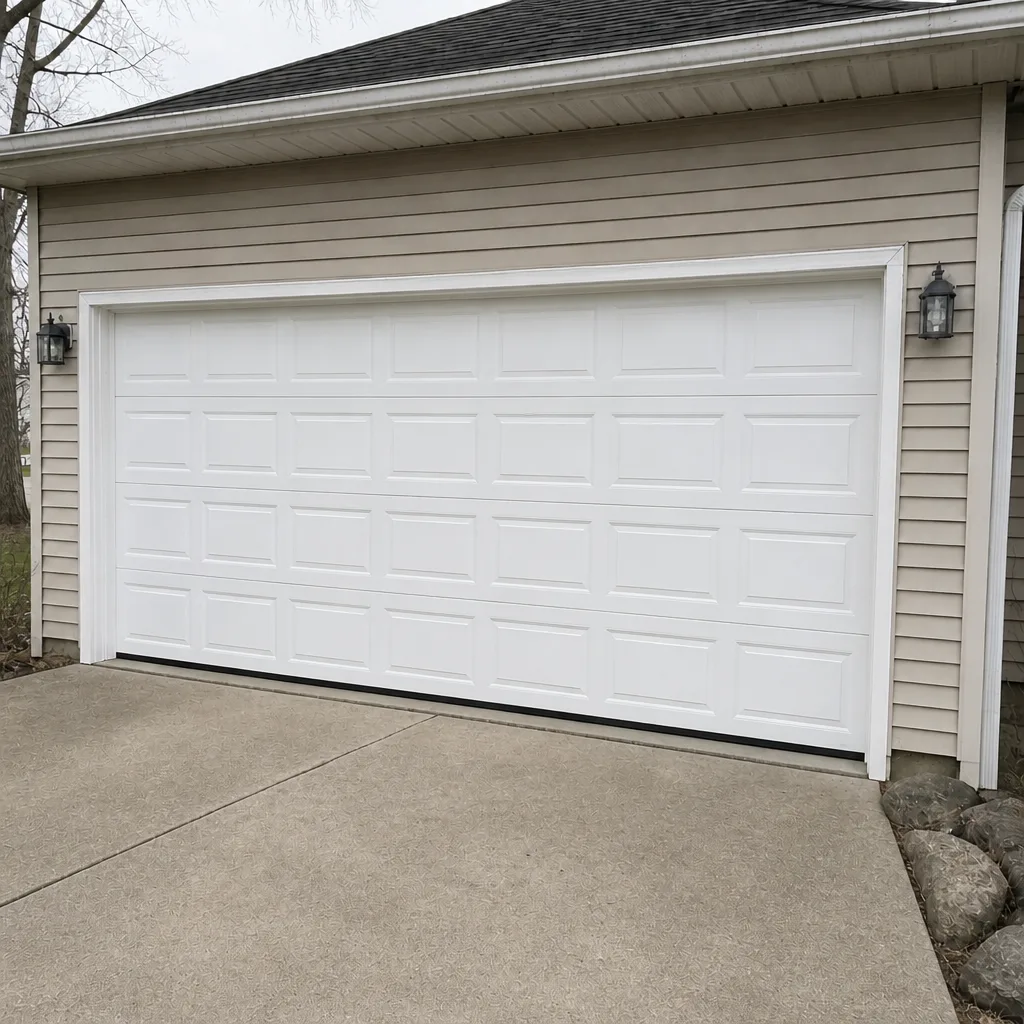
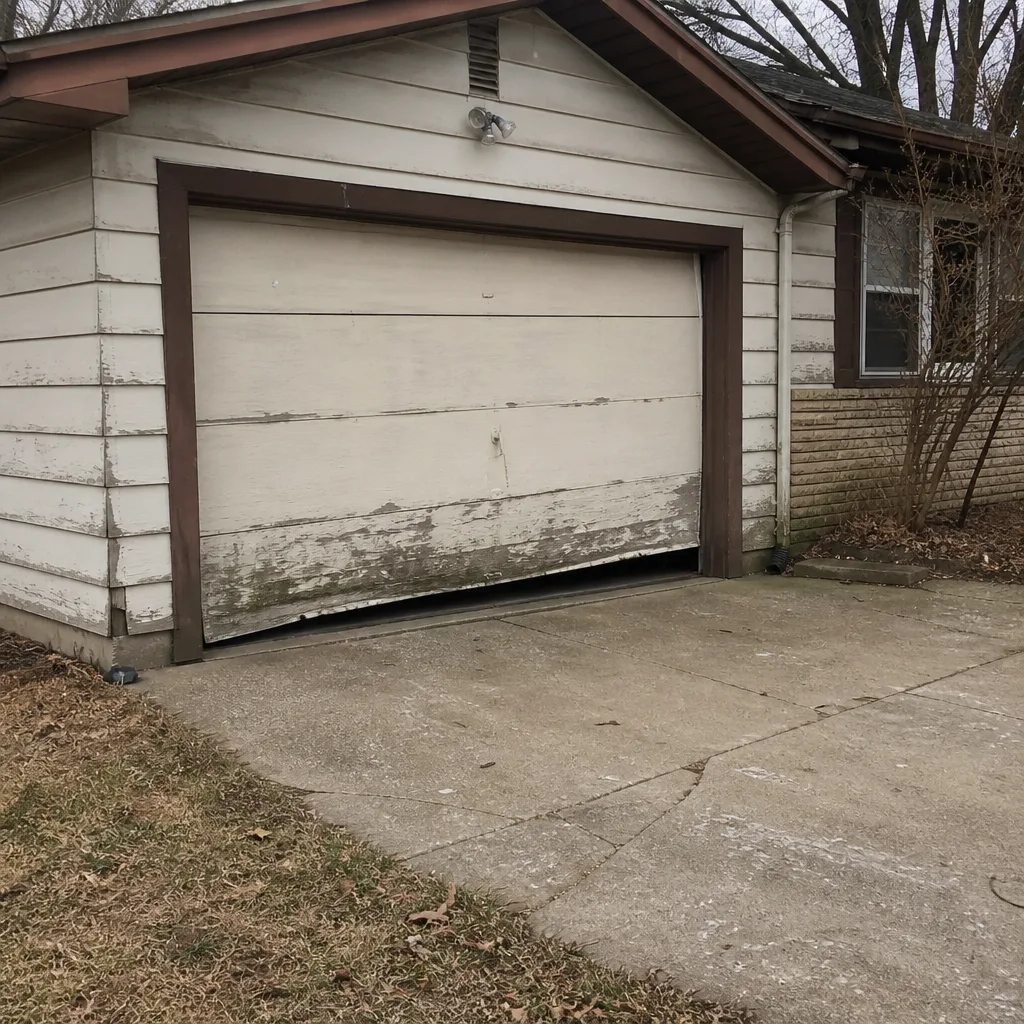
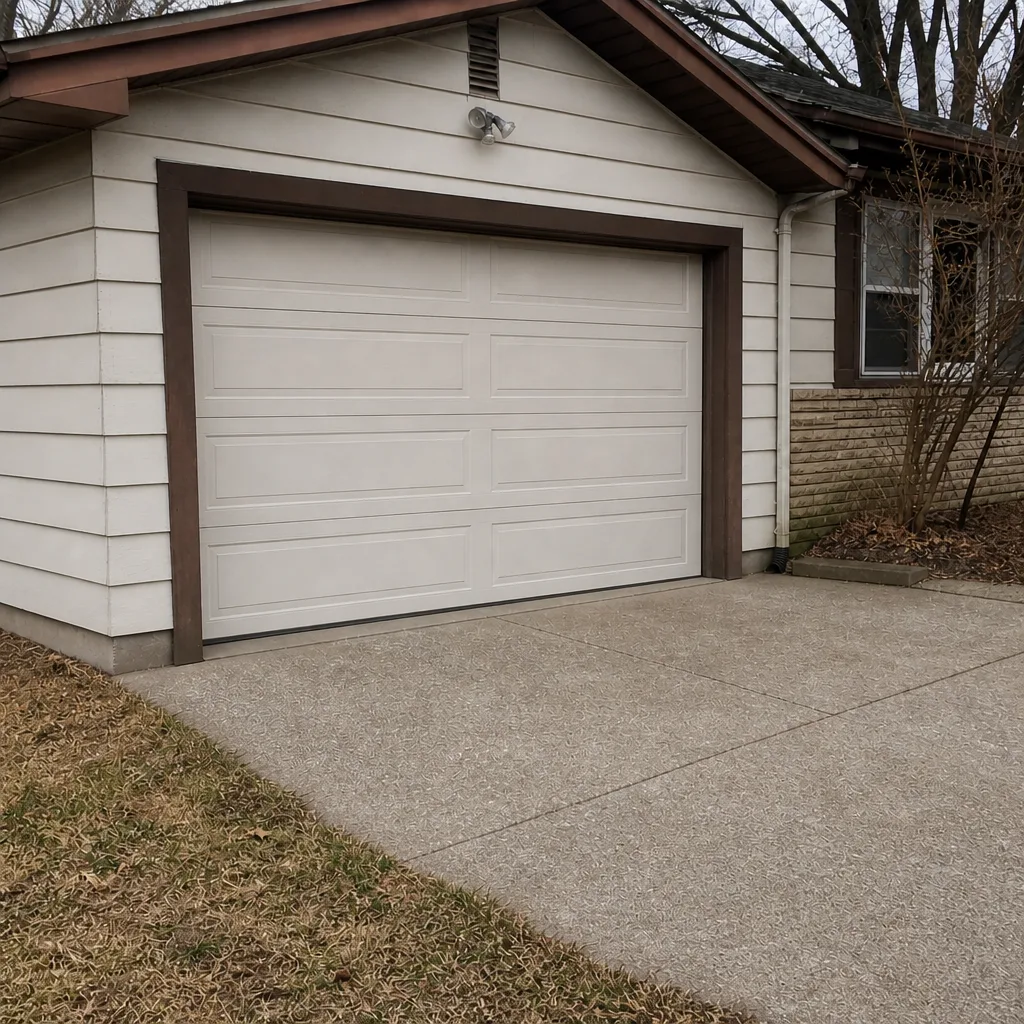
See the difference
 Before
 After
 Before
 After
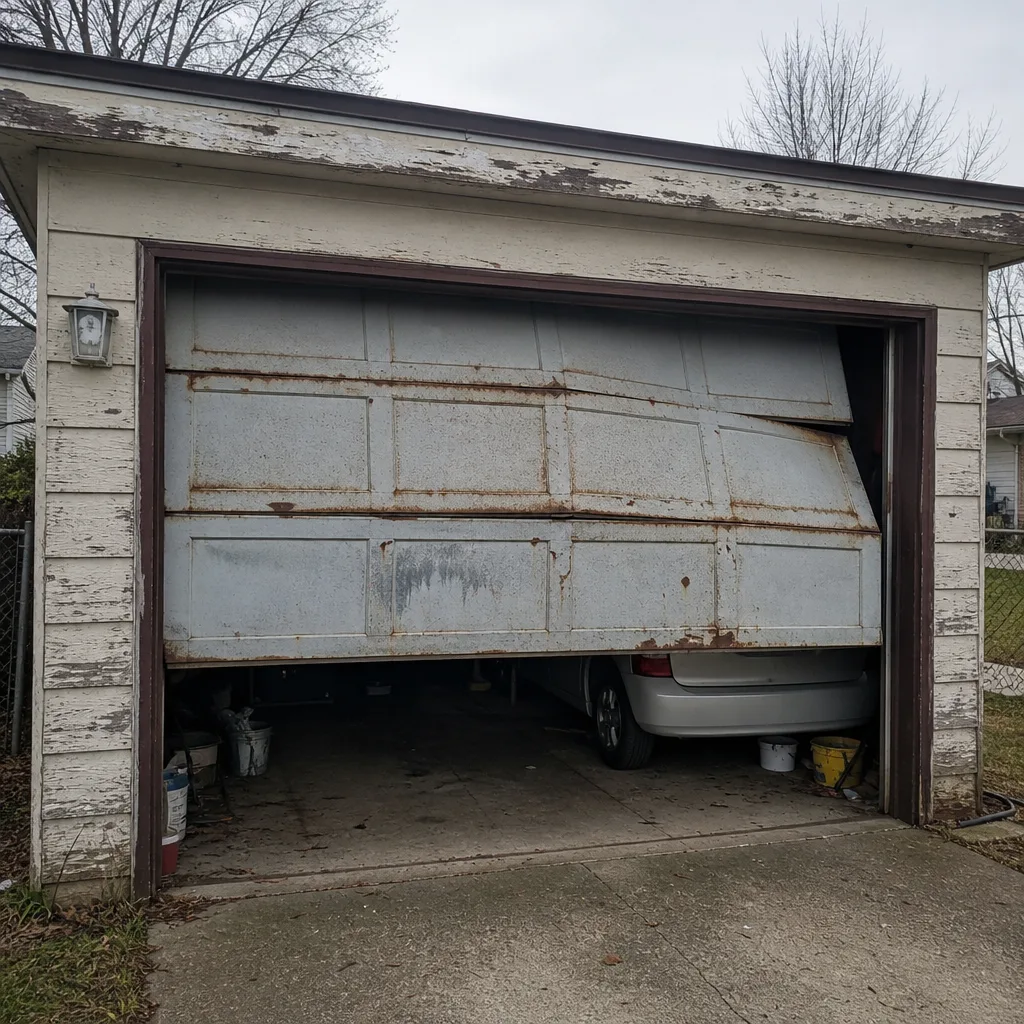 Before
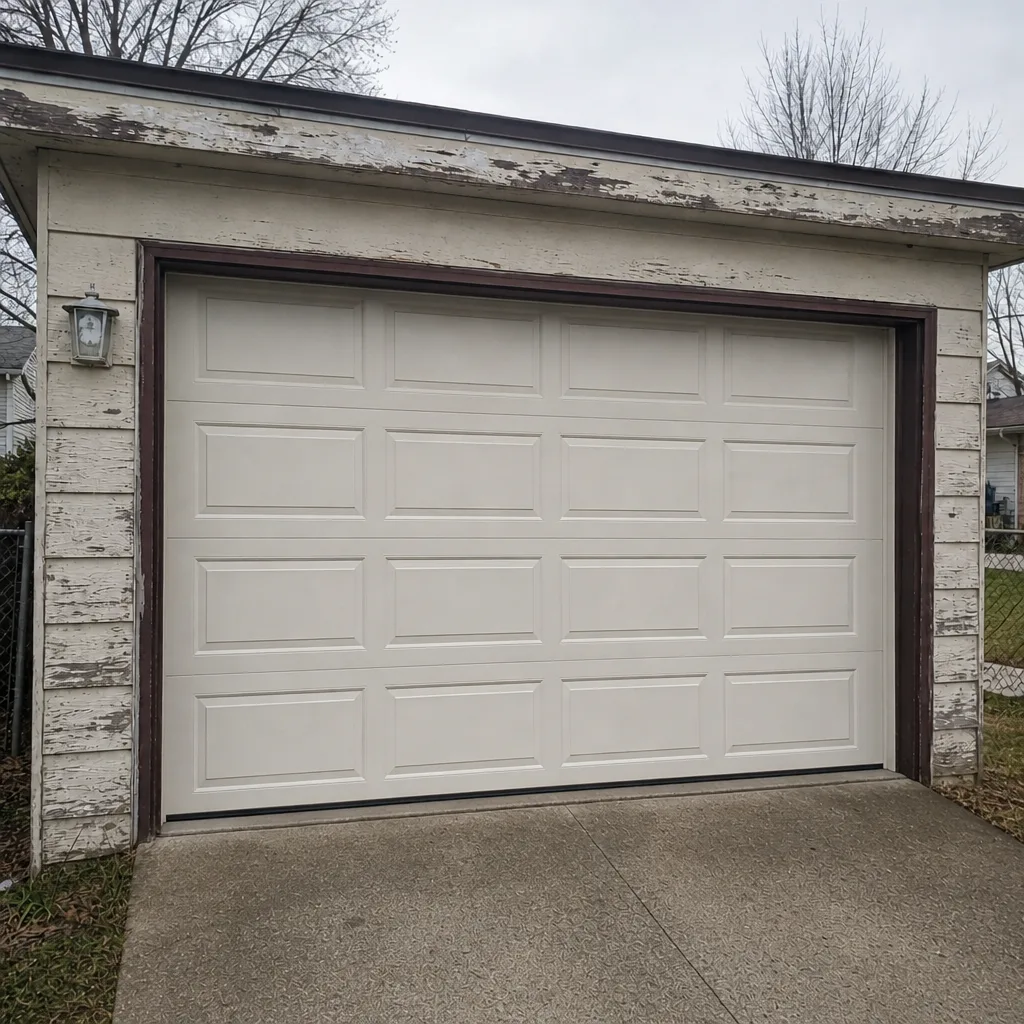 After
When to Call a Professional
Call a professional when the door won’t balance, when a spring has snapped or is clearly worn, when the door is out of plumb and the tracks have pulled away from the jamb, when the opener is straining or reversing without cause, when the bottom panel is rusting through, or when any car or person is trapped behind a door that won’t open. Spring and cable work is genuinely dangerous and requires a trained technician. So does diagnosing an opener circuit and a structural frame issue at the same time. DeKalb Garage Door Repair Pros offers free estimates in DeKalb – call (866) 566-1663. We work on LiftMaster, Chamberlain, Genie, Clopay, Amarr, Wayne Dalton, Craftsman, and Raynor equipment, and our technicians have up to 12 years of experience. Emergency appointments are available for failures that can’t wait for a standard appointment window.
Frequently Asked Questions
Garage door repair in DeKalb typically runs from a modest service call for an opener adjustment up to several hundred dollars for a spring replacement or track realignment, and the written estimate from the technician after they measure the door is the final price. We quote and agree the price before any work starts, so there are no surprises. Call (866) 566-1663 for an exact quote – estimates are free.
Often, yes. A snapped spring is a safety-critical failure and one of the situations our emergency service is built for. Same-day appointments depend on the schedule and the type of door, but if you call with the door size, the make of the door, and what happened, we can usually give you a real arrival window rather than a vague promise. Call (866) 566-1663 and we’ll tell you what’s available today.
No, not after the estimate is agreed. We diagnose before recommending a fix, we quote the full scope in writing, and the price you agree to before work begins is the price. If we find something the estimate couldn’t have seen, we stop and talk to you about it before doing anything further. Nothing gets added to the invoice without your say-so.
The local professionals we connect you with are licensed and insured as the State of Illinois requires for their trade. Our technicians have up to 12 years of experience and specialize in garage doors only, not general handyman work. If you’d like to confirm a credential before booking, call (866) 566-1663 and we’ll answer directly.
It’s very common in DeKalb because of freeze-thaw movement. The ground heaves each winter, the framing tweaks, and the door goes out of plumb. It’s not usually a structural emergency, but it does need realignment before the springs take on uneven load and fail. We check alignment on every visit because of this. Call (866) 566-1663 for a free estimate.
Usually repair, if the panels are sound and the frame is square. A 1990s steel-faced door in DeKalb is often worth restoring with new springs, hinges, rollers, and a bottom seal, and it can be a much smaller investment than a full replacement. If the bottom panels are rusted through and the panel style is discontinued, replacement becomes the better math. We’ll give you the honest read on a free estimate. Call (866) 566-1663.
The Bottom Line
DeKalb garage doors fail for predictable reasons, and most of them trace back to freeze-thaw cycles, not brand quality. If your house went up in the 1960s through the 1990s, you’re likely dealing with a door that needs spring, alignment, and seal service before it needs replacement. Read the door’s age from its hardware, check alignment every fall, and don’t skip the permit question with the City of DeKalb. For the small stuff that wears out, a focused repair is almost always cheaper than a new door. For the door that’s 20-plus years with rusted panels and a frame that’s out of square, replacement pays for itself. Our specialist team at DeKalb Garage Door Repair Pros handles spring repair, opener repair, and full installation, and our technicians have up to 12 years of experience across the major brands DeKalb homes actually use. Call (866) 566-1663 for a free estimate before anything fails completely.
Written by the team at DeKalb Garage Door Repair Pros.